


















Travel Capitalist Ventures Expands Check Size to $10 Million to Deepen Emerging Market Conviction
Boutique Travel VC raises investment cap from $1.5M to $10M to lead rounds and support portfolio companies through growth Travel...
Read moreDetails

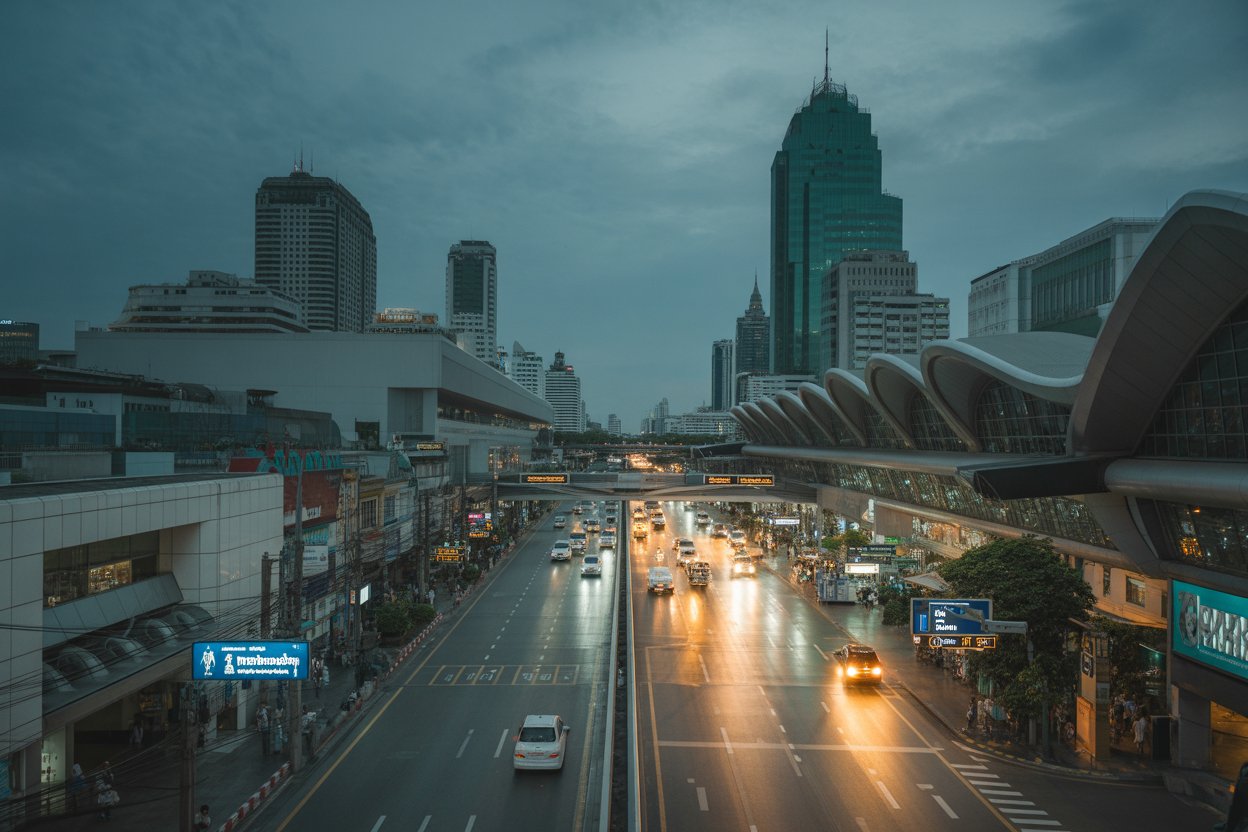
Thailand Seizes Tourism Opportunity Amid Japan-China Tensions
Article Summary:
The article discusses a significant shift in Asian tourism due to geopolitical tensions between China and Japan. Thailand has become a favored destination for Chinese travelers who have canceled trips to Japan, prompting Thai tourism operators to encourage the government to capitalize on this opportunity. The friction escalated after Japanese Prime Minister Sanae Takaichi’s comments on regional security and Taiwan, leading to a reevaluation of travel destinations among Chinese tourists.
Key Points:
Actionable Takeaways:
Contextual Insights:
The article reflects the current state of travel dynamics in Asia, where geopolitical tensions can quickly alter travel patterns. The shift in preferences from Japan to Thailand highlights the importance of regional stability and security in shaping travel destinations. This trend underscores the need for travel companies to be agile and responsive to geopolitical changes. Furthermore, the article suggests that leveraging digital marketing channels can help travel companies reach and engage with travelers whose preferences are influenced by geopolitical factors. As the travel industry continues to evolve, staying informed about geopolitical developments and adapting strategies accordingly will be crucial for success.
Read the Complete Article.
Boutique Travel VC raises investment cap from $1.5M to $10M to lead rounds and support portfolio companies through growth Travel...
Read moreDetails



Comprehensive Summarization: The article discusses the tightening of safety rules in Laos' tourism sector following a series of incidents involving...
Read moreDetails
