







No products in the cart.
- Latest
- Trending

More About
Article Summary:
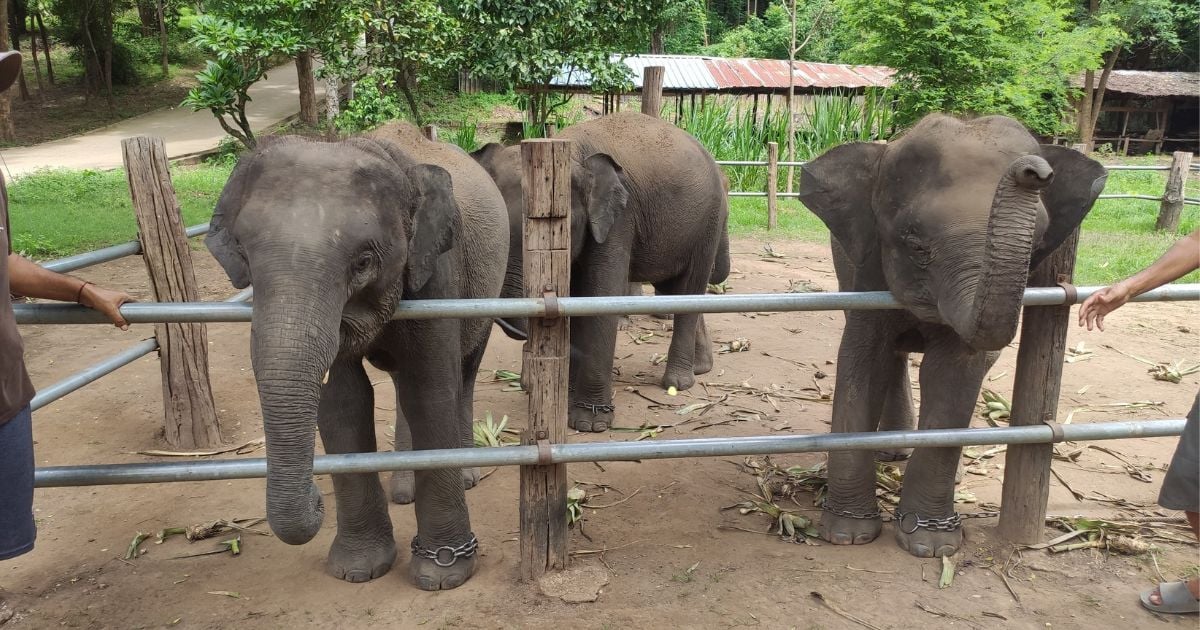
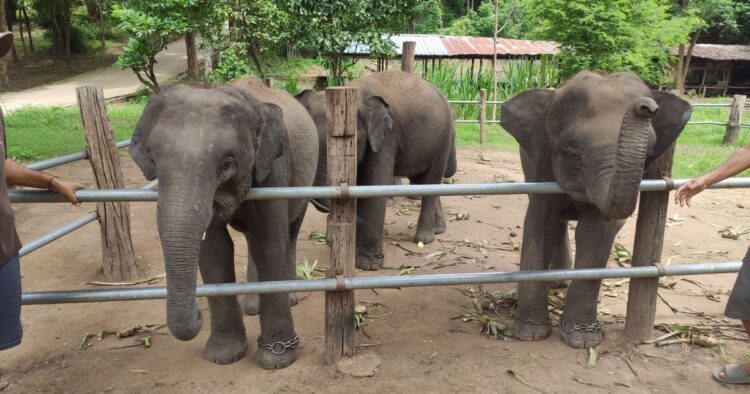
The article reports on new research by World Animal Protection, which reveals that most elephants used in Thailand’s tourism industry continue to suffer in captivity. Despite some progress since the last assessment in 2019, nearly two-thirds of captive elephants are still living in poor conditions. The elephants endure short chaining, inadequate diets, dirty living conditions, lack of veterinary care, and forced tourist interactions such as riding, washing, and shows. The research, led by Dr. Jan Schmidt-Burbach, assessed 236 tourism venues housing 2,849 elephants across Thailand between February 2024 and January.
Key Points:
Actionable Takeaways:
Contextual Insights:
The article reflects ongoing global concerns about animal welfare in tourism, particularly concerning the use of captive animals like elephants. Recent trends indicate a shift in traveler preferences towards more ethical and sustainable travel experiences. This shift is driven by increasing awareness and concern for animal rights, as well as the growing availability of alternative tourism options. The research highlights the need for the Thai tourism industry to adapt to these changing preferences by improving the welfare of captive elephants and offering more humane tourism experiences. This not only addresses ethical concerns but also positions Thailand as a leader in responsible tourism, potentially attracting a broader and more diverse range of tourists.
Read the Complete Article.
Get curated travel AI insights — choose the newsletters that matter to you.
ALTOUR Expands into Thailand, Strengthening Corporate Travel Network Across Southeast Asia BANGKOK, THAILAND (25 March, 2026) – ALTOUR, a leading...
Read moreDetails


Comprehensive Summarization: The article highlights Jammu & Kashmir's significant presence at the India International Travel Mart (IITM) Kolkata 2026, showcasing...
Read moreDetails