






No products in the cart.
- Latest
- Trending

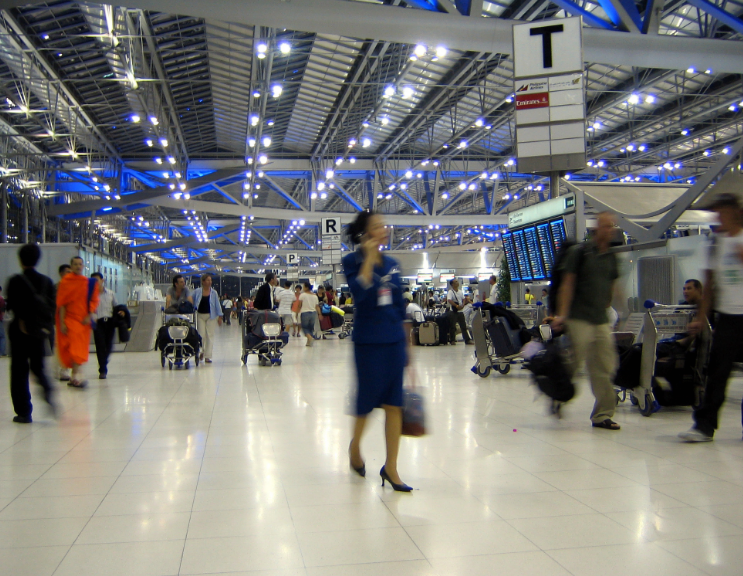
Thailand’s tourism sector faces a potential drop in foreign visitors as global disruptions threaten the industry’s recovery. Photo: Suvarnabhumi Airport
Comprehensive Summarization:
Thailand’s tourism sector, a critical component of the country’s economy, is facing potential challenges due to global travel disruptions. Rising fuel costs and the ongoing conflict in the Middle East are cited as key factors threatening the industry’s recovery. According to the Bangkok Post, the Ministry of Tourism and Sports warns that the country could see a decline of three million foreign visitors in 2026, representing nearly 10% of last year’s total arrivals. Natthriya Thaweevong, the permanent secretary of the Ministry, emphasized the critical role of fuel in enabling travel journeys, highlighting the shared impact of high costs across the industry. The article underscores the interconnected nature of the travel sector, where disruptions in one area affect the entire ecosystem.
Key Points:
Actionable Takeaways:
Diversify Fuel Supply Chains: Travel companies should explore diversifying their fuel supply chains to mitigate the impact of rising fuel costs. This could involve investing in alternative energy sources or partnering with suppliers who offer more stable pricing options.
Enhance Digital Travel Solutions: The industry should accelerate the development and adoption of digital travel solutions, such as contactless check-ins, virtual tours, and online booking platforms. These innovations can help reduce physical touchpoints and minimize the impact of travel disruptions on customer experience.
Strengthen Risk Management Strategies: Travel businesses should enhance their risk management strategies to better anticipate and respond to global disruptions. This includes developing contingency plans for fuel price fluctuations, geopolitical tensions, and other external factors that could impact travel demand.
Contextual Insights:
The article reflects the current challenges faced by the travel industry amidst global uncertainties. Rising fuel costs and geopolitical tensions are not isolated issues but part of a broader trend of volatility affecting various sectors. The emphasis on fuel as a critical component of travel journeys highlights the need for sustainable and cost-effective energy solutions. Furthermore, the interconnected nature of the travel sector underscores the importance of collaborative efforts among industry stakeholders to develop resilient strategies. As the industry moves forward, thought leaders are likely to advocate for greater investment in digital technologies and sustainable practices to ensure long-term resilience and growth.
Read the Complete Article.
Get curated travel AI insights — choose the newsletters that matter to you.
This spot is reserved for brands with a compelling story for the travel trade. They use this space to cut...
Read moreDetailsALTOUR Expands into Thailand, Strengthening Corporate Travel Network Across Southeast Asia BANGKOK, THAILAND (25 March, 2026) – ALTOUR, a leading...
Read moreDetails


Comprehensive Summarization: Thailand's tourism sector, a critical component of the country's economy, is facing potential challenges due to global travel...
Read moreDetails