











No products in the cart.
- Latest
- Trending

Thailand Stirs Controversy with Visa-Free Stay Policy as Government Considers Cutting Stays to Stop ...
Comprehensive Summarization:
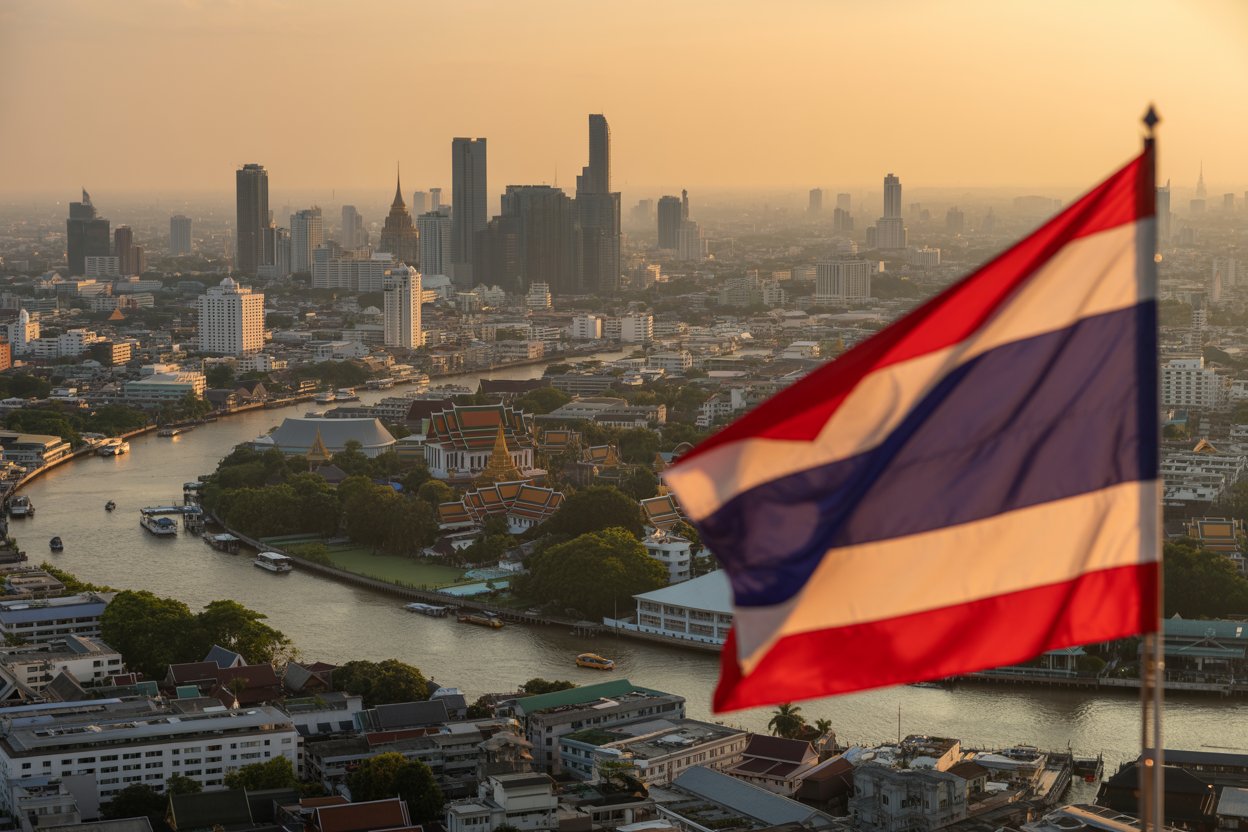
The article discusses Thailand’s controversial decision to modify its visa-free stay program, which allows citizens from 93 countries to stay in the country for up to 60 days without a visa, with an optional 30-day extension. Initially introduced to boost the tourism sector’s recovery, the program has seen a significant influx of visitors. However, government officials are now expressing concerns that the policy may be too lenient, potentially allowing some foreign nationals to misuse the visa-free stay for purposes beyond tourism, such as overstaying or engaging in activities that could negatively impact tourism revenue. The article highlights the government’s consideration of reducing the stay duration to curb misuse and protect the tourism industry’s financial interests.
Key Points:
Actionable Takeaways:
Policy Review and Adjustment: Governments should consider reviewing and potentially adjusting visa-free stay policies to balance tourism promotion with preventing misuse. This could involve setting stricter entry requirements or limiting the duration of stays for certain nationalities. Relevance: Ensures sustainable tourism revenue and protects against potential misuse of visa-free policies.
Enhanced Monitoring and Enforcement: Implementing robust monitoring systems to track and enforce visa-free stay policies can help identify and address misuse. This could include digital tracking of entry and exit dates, as well as penalties for overstaying. Relevance: Improves compliance and protects the tourism industry’s financial interests.
Promotion of Alternative Entry Options: Encouraging alternative entry options, such as e-visas or short-term visas, can streamline the entry process while providing more control over visitor durations. Relevance: Facilitates smoother travel experiences while maintaining regulatory oversight.
Contextual Insights:
The decision to modify Thailand’s visa-free stay policy reflects a broader trend in the travel industry towards balancing openness with regulatory control. As tourism recovery continues, governments worldwide are grappling with how to manage visitor flows effectively while protecting local economies. The article highlights the importance of adaptive policies in the face of changing travel dynamics, driven by both economic and health-related factors. Experts suggest that such policies not only safeguard revenue but also ensure that tourism remains a sustainable and beneficial industry for host countries. Furthermore, the integration of technology in travel, such as digital visas and real-time monitoring systems, is becoming increasingly crucial. This aligns with the growing trend of leveraging technology to enhance travel experiences while ensuring compliance and security. As the industry evolves, stakeholders must remain agile, adapting policies and technologies to meet the demands of a rapidly changing global landscape.
Read the Complete Article.
Get curated travel AI insights — choose the newsletters that matter to you.
ALTOUR Expands into Thailand, Strengthening Corporate Travel Network Across Southeast Asia BANGKOK, THAILAND (25 March, 2026) – ALTOUR, a leading...
Read moreDetails


Comprehensive Summarization: The article discusses Thailand's controversial decision to modify its visa-free stay program, which allows citizens from 93 countries...
Read moreDetails