
























Travel Capitalist Ventures Expands Check Size to $10 Million to Deepen Emerging Market Conviction
Boutique Travel VC raises investment cap from $1.5M to $10M to lead rounds and support portfolio companies through growth Travel...
Read moreDetails
Middle Eastern and European Tourists Hit Hard as Thailand Braces for Massive Tourism Decline Due to ...
Comprehensive Summarization:
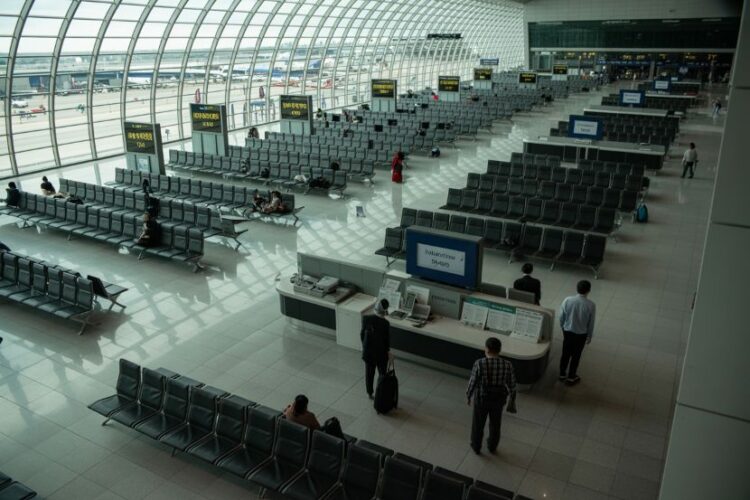
The article highlights the severe impact of ongoing airspace disruptions in Middle Eastern airspace on Thailand’s tourism industry. The conflict in the Middle East has led to a significant decline in flight schedules, causing a potential revenue drop of up to 40.9 billion baht (approximately USD 1.15 billion) for Thailand. If the disruption persists for eight weeks, the tourism ministry warns of an unprecedented decline in tourist arrivals from both Middle Eastern and European regions. The article underscores the ripple effects of global aviation disruptions on Thailand’s tourism sector, emphasizing the need for the industry to brace for a substantial revenue decline.
Key Points:
Actionable Takeaways:
Diversify Tourism Marketing Strategies: Given the potential decline in tourist arrivals from Middle Eastern and European regions, Thailand’s tourism industry should diversify its marketing strategies to attract tourists from other regions. This could involve targeted campaigns highlighting unique aspects of Thailand that appeal to different demographics, ensuring a more balanced distribution of tourist traffic.
Invest in Digital and Contactless Travel Solutions: The disruption in air travel underscores the importance of digital and contactless travel solutions. Travel agencies and tourism operators should invest in technologies that enhance the booking and check-in processes, such as mobile apps for seamless booking, digital boarding passes, and contactless payment options. This not only improves the travel experience for tourists but also mitigates the impact of future airspace disruptions by reducing reliance on physical travel documents and in-person interactions.
Enhance Local Attractions and Experiences: To offset the decline in tourist arrivals, Thailand should focus on enhancing its local attractions and offering unique experiences that cater to a broader range of interests. This could include promoting cultural festivals, eco-tourism, adventure sports, and wellness retreats. By diversifying the appeal of Thailand’s offerings, the tourism industry can attract a wider range of tourists, including those who might have been deterred by the current airspace situation.
Contextual Insights:
The article’s context is deeply rooted in the current global aviation landscape, where airspace disruptions due to geopolitical conflicts have become increasingly common. The Middle East has been a frequent point of conflict, leading to frequent flight cancellations and route changes. This situation has had a cascading effect on global tourism, with countries like Thailand, which are heavily reliant on international tourism, feeling the pinch. The article’s emphasis on the potential revenue drop of up to 40.9 billion baht (approximately USD 1.15 billion) highlights the vulnerability of the tourism sector to external shocks.
In recent years, there has been a growing trend towards digital transformation in the travel industry, with startups and established companies alike investing in technologies that enhance the travel experience. This includes the development of AI-driven travel assistants, blockchain-based travel documentation, and immersive virtual reality tours. The current situation in Thailand underscores the importance of these trends, as they offer viable solutions to mitigate the impact of airspace disruptions. For instance, digital travel solutions can help maintain operational continuity by enabling tourists to book and manage their trips online, regardless of flight availability.
Moreover, the article aligns with broader industry insights that emphasize the need for resilience and adaptability in the face of global uncertainties. Travel startups and fintech companies are increasingly focusing on building robust, flexible systems that can withstand disruptions. Innovations such as decentralized finance (DeFi) platforms for travel payments and decentralized identity solutions for seamless authentication are gaining traction. These technologies not only enhance security and convenience but also provide a layer of protection against geopolitical risks.
In conclusion, the article provides a clear picture of the challenges facing Thailand’s tourism industry due to ongoing airspace disruptions. By adopting a proactive approach to diversify marketing strategies, invest in digital solutions, and enhance local offerings, Thailand can navigate these challenges and emerge stronger. The insights from the article align with current industry trends, emphasizing the importance of innovation and adaptability in maintaining resilience in the face of global uncertainties.
Read the Complete Article.
Boutique Travel VC raises investment cap from $1.5M to $10M to lead rounds and support portfolio companies through growth Travel...
Read moreDetails




