







No products in the cart.
- Latest
- Trending
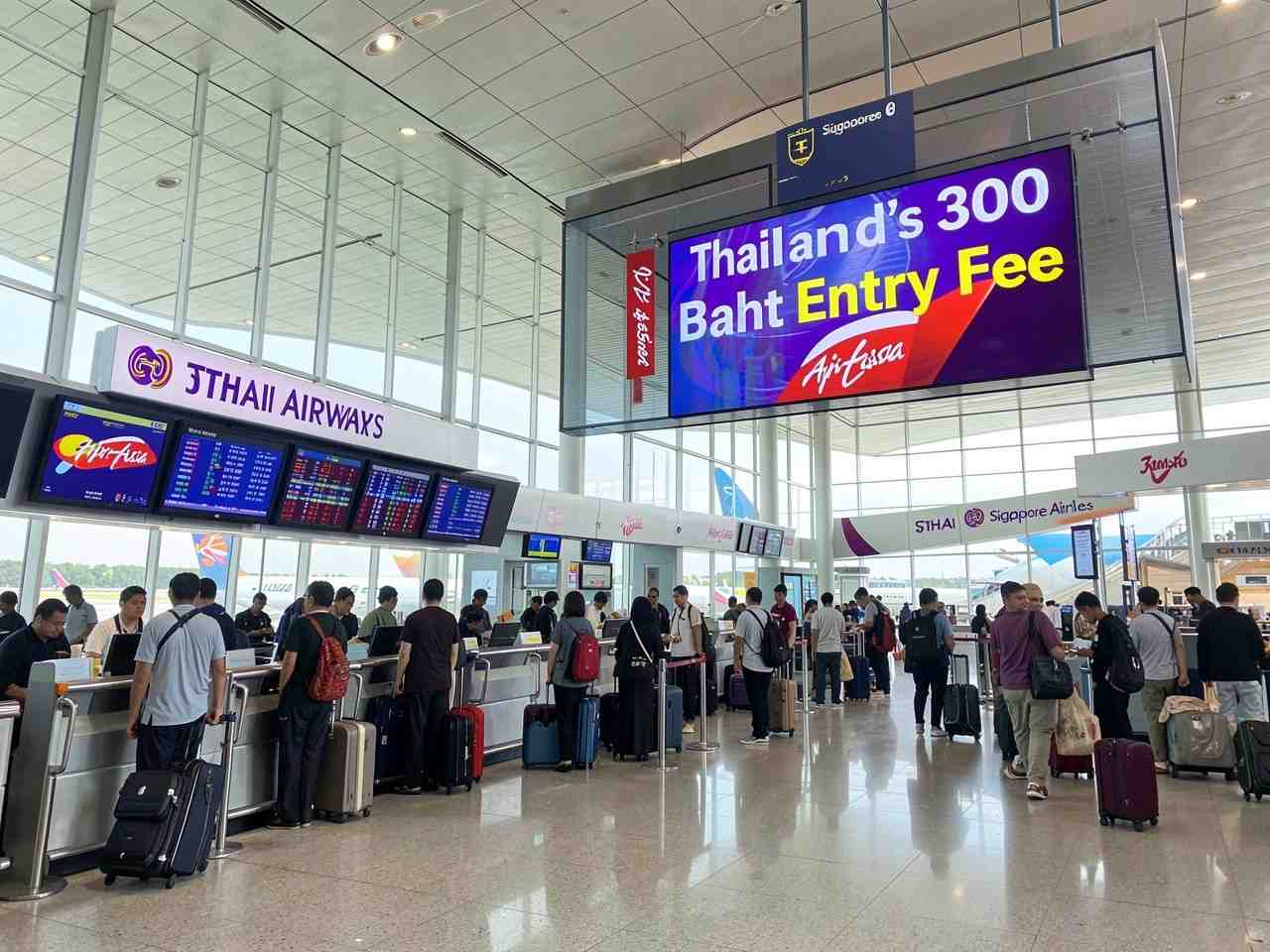


Thailand Unveils New Tourist Entry Charge Amid Travel Policy Shift Impacting Visitors from India, Ch...
Comprehensive Summarization:
Thailand has introduced a new tourist entry charge of 300 baht for international air passengers, marking a significant shift in its travel policy. This move is part of a broader strategy aimed at strengthening tourism revenue and upgrading infrastructure, positioning Thailand to remain competitive in the global travel market. The policy impacts visitors from India, China, Malaysia, Laos, Cambodia, Japan, and Europe, signaling a strategic adjustment in the country’s approach to tourism management. The article highlights this development within the context of Southeast Asia’s evolving travel landscape, emphasizing Thailand’s ambition to enhance its tourism sector amid increasing competition.
Key Points:
Actionable Takeaways:
Revenue Enhancement Strategy: The introduction of the 300-baht entry charge is a direct response to the need for increased tourism revenue. For stakeholders in the travel industry, this could mean a potential increase in operational costs for airlines and airports, but also an opportunity to explore new pricing models and revenue streams. Understanding this shift can help businesses in the sector anticipate changes in consumer behavior and adjust their pricing strategies accordingly.
Infrastructure Investment: The policy underscores Thailand’s commitment to upgrading its tourism infrastructure. For investors and policymakers in the travel sector, this presents an opportunity to engage in infrastructure development projects. Collaborations with the government or private sector could lead to innovations in airport facilities, tourism services, and overall visitor experience, potentially setting new standards in Southeast Asia.
Market Adaptation and Competitive Positioning: As Thailand adjusts its tourism policy, other countries in the region may need to reassess their own travel policies to remain competitive. For travel startups and fintech companies, this could be a catalyst for innovation in areas such as digital payment solutions, travel insurance, and tourism financing. The policy could drive demand for more efficient, tech-driven travel solutions, opening avenues for new business models and services.
Contextual Insights:
The introduction of the 300-baht entry charge is a strategic maneuver within Thailand’s broader tourism policy framework, reflecting the country’s response to global travel trends and market demands. In recent years, Southeast Asia has seen a surge in tourism, driven by its rich cultural heritage, natural beauty, and favorable travel policies. However, with increased competition from other global destinations, countries like Thailand are exploring innovative ways to sustain and grow their tourism revenue. This policy shift aligns with broader industry trends towards digitalization and revenue diversification, where countries are leveraging technology to enhance visitor experiences and streamline transactions.
Moreover, the policy’s impact on travelers from specific regions highlights the nuanced approach countries are taking to manage international tourism flows. For the travel industry, this underscores the importance of understanding regional dynamics and consumer preferences. As the travel landscape continues to evolve, stakeholders must remain agile, adapting to policy changes and technological advancements to maintain a competitive edge. The insights from this article not only provide a snapshot of Thailand’s current tourism strategy but also offer a lens through which to view broader industry trends and future developments.
Read the Complete Article.
Get curated travel AI insights — choose the newsletters that matter to you.
ALTOUR Expands into Thailand, Strengthening Corporate Travel Network Across Southeast Asia BANGKOK, THAILAND (25 March, 2026) – ALTOUR, a leading...
Read moreDetails


Abode Worldwide Appoints Kerry Wilson as COO to Accelerate Growth Amid AI-Driven Hospitality Tech Boom Abode Worldwide, a leading provider...
Read moreDetails