









No products in the cart.
- Latest
- Trending

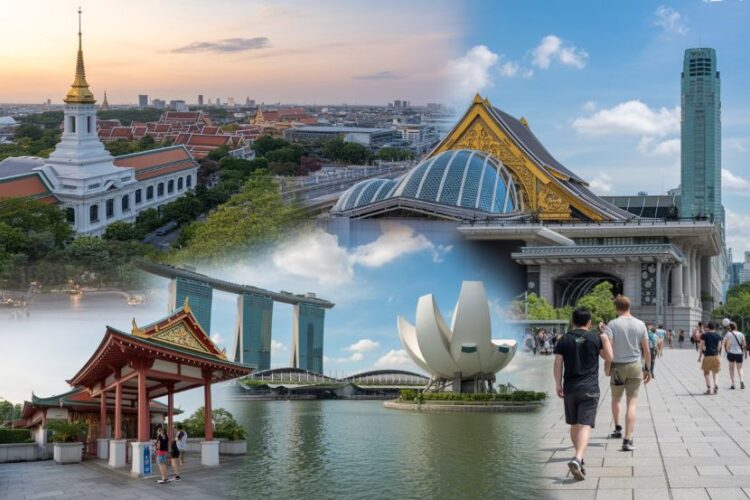
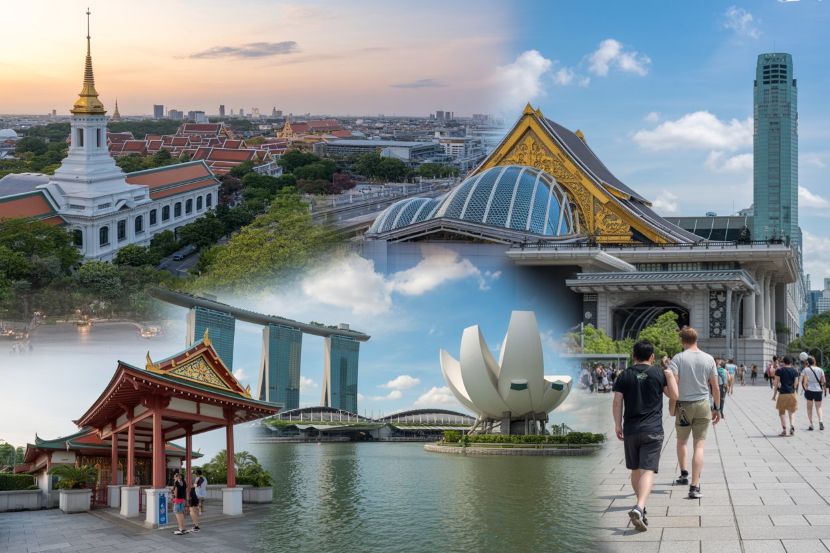
Thailand, Japan, and Singapore: Top Asian Destinations Driving Tourism Growth in 2025
Article Summary:
The article highlights the anticipated surge in tourism to Thailand, Japan, and Singapore in 2025, driven by their rich cultural heritage, stunning landscapes, and modern attractions. These countries are not only focusing on increasing tourist numbers but are also prioritizing sustainable practices, economic growth, and delivering unique travel experiences. The emphasis on sustainable tourism and economic development reflects a broader industry trend towards responsible travel and economic resilience.
Key Points:
Tourism Growth in Thailand, Japan, and Singapore: The article predicts a significant increase in international visitors to these Asian destinations in 2025, citing their rich cultural offerings, natural beauty, and modern attractions as key attractions.
Sustainable Tourism Practices: Thailand, Japan, and Singapore are adopting sustainable tourism practices, aiming to boost local economies while minimizing environmental impact. This focus on sustainability is a key development in the travel industry, aligning with global trends towards eco-friendly travel.
Economic and Cultural Focus: The nations are not just aiming to attract more tourists but are also committed to enhancing local economies and providing unforgettable travel experiences. This dual focus on economic growth and cultural enrichment is shaping their tourism strategies.
Actionable Takeaways:
Invest in Sustainable Tourism Initiatives: Travel companies and destinations should invest in sustainable tourism practices to attract eco-conscious travelers. This includes developing eco-friendly accommodations, promoting local conservation efforts, and reducing carbon footprints. This strategy aligns with the growing demand for responsible travel and can enhance brand reputation among environmentally aware consumers.
Leverage Cultural and Natural Attractions: Destinations should highlight their unique cultural heritage and natural beauty to attract tourists. This can be achieved through targeted marketing campaigns, partnerships with local artisans and cultural institutions, and the development of immersive cultural experiences. By emphasizing these unique selling points, destinations can differentiate themselves in a competitive market and attract a diverse range of travelers.
Focus on Economic Development: Governments and local businesses should prioritize economic development strategies that benefit from increased tourism. This includes investing in infrastructure, supporting local businesses, and creating job opportunities. By fostering economic growth, destinations can ensure long-term sustainability and resilience in the face of fluctuating tourist numbers.
Contextual Insights:
The article reflects current industry trends towards sustainable tourism and economic diversification. As global travel patterns shift towards more responsible and culturally enriching experiences, destinations like Thailand, Japan, and Singapore are at the forefront of this transformation. The emphasis on sustainable practices and economic growth aligns with broader industry movements towards responsible tourism and the integration of technology to enhance travel experiences. These insights underscore the importance of adapting to evolving consumer preferences and leveraging technological advancements to drive innovation in the travel sector.
Read the Complete Article.
Get curated travel AI insights — choose the newsletters that matter to you.
ALTOUR Expands into Thailand, Strengthening Corporate Travel Network Across Southeast Asia BANGKOK, THAILAND (25 March, 2026) – ALTOUR, a leading...
Read moreDetails


Comprehensive Summarization: IndiGo, India's largest airline, has appointed Willie Walsh, an Irish airline veteran, as its new CEO following the...
Read moreDetails