




















Travel Capitalist Ventures Expands Check Size to $10 Million to Deepen Emerging Market Conviction
Boutique Travel VC raises investment cap from $1.5M to $10M to lead rounds and support portfolio companies through growth Travel...
Read moreDetails
Thailand Reverses Afternoon Alcohol Ban Following Tourism Backlash
Article Summary:
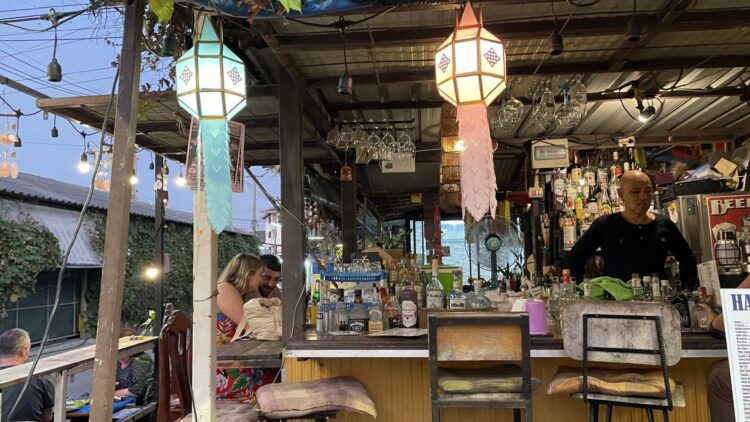
Thailand has recently reversed its alcohol ban, allowing sales from 2 pm to 5 pm for six months starting December. This decision, announced by Public Health Minister Pattana Promphat following a liquor control committee meeting, aims to support the tourism industry and boost spending during the upcoming holiday season. The move comes in response to criticism from the tourism sector and bar owners over the stricter regulations previously implemented.
Key Points:
Actionable Takeaways:
Contextual Insights:
The decision to reverse the alcohol ban aligns with broader travel industry trends that emphasize the importance of consumer experience and satisfaction. In recent years, there has been a growing emphasis on creating enjoyable and flexible travel experiences, especially in regions heavily reliant on tourism. This move by Thailand not only addresses immediate concerns but also sets a precedent for other countries facing similar challenges. Furthermore, it highlights the role of government policies in shaping tourism outcomes and the need for adaptive strategies in response to stakeholder feedback.
Handling Different Article Types:
The article in question is a news blurb, providing factual information about a recent policy change in Thailand. The summary, key points, and actionable takeaways are directly derived from the facts presented in the article, ensuring accuracy and relevance to the professional audience. No opinion pieces or feature articles are involved, so the analysis remains strictly factual and contextually grounded.
Read the Complete Article.
Boutique Travel VC raises investment cap from $1.5M to $10M to lead rounds and support portfolio companies through growth Travel...
Read moreDetails




