





















Travel Capitalist Ventures Expands Check Size to $10 Million to Deepen Emerging Market Conviction
Boutique Travel VC raises investment cap from $1.5M to $10M to lead rounds and support portfolio companies through growth Travel...
Read moreDetails
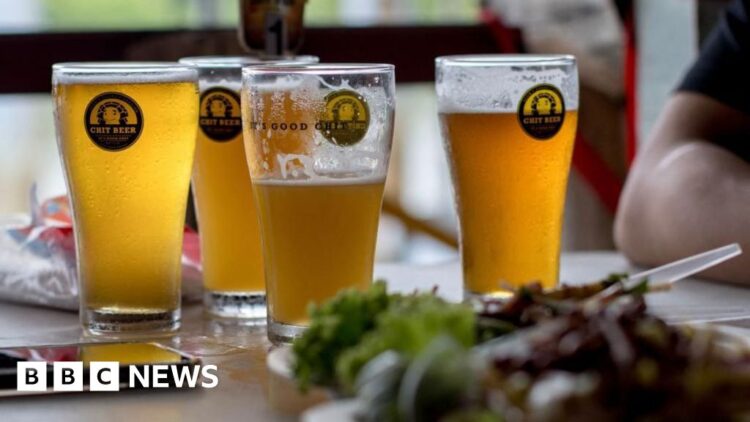
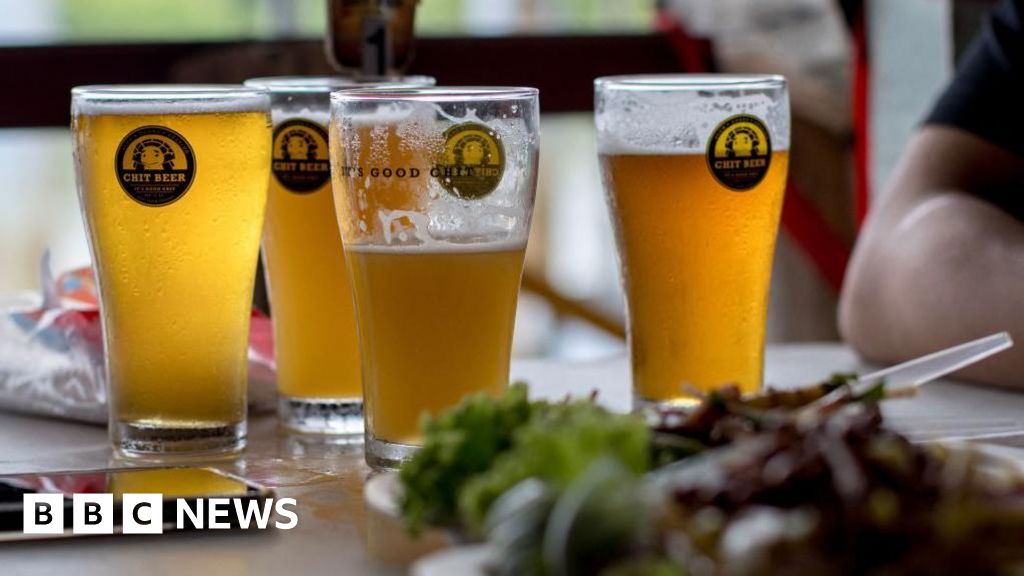
The afternoon alcohol ban has long vexed visitors in the South East Asian nation.
Article Summary:
Thailand has temporarily lifted a ban on the sale of alcoholic drinks in the afternoons, allowing liquor stores, restaurants, and other accredited establishments to sell beer, wine, and spirits from 14:00 to 17:00 as part of a six-month trial. This move aims to boost tourism, particularly during peak seasons like Christmas and New Year, which are traditionally affected by the ban. The ban, introduced in 1972, was initially aimed at preventing government employees from drinking during work hours but has long been a point of contention for tourists. The trial period runs for 180 days, with alcohol sales allowed from 11:00 to midnight.
Key Points:
Actionable Takeaways:
Contextual Insights:
The lifting of the alcohol ban in Thailand is a strategic move aimed at revitalizing the tourism sector, particularly during the high-demand holiday seasons. This decision reflects a broader trend in the travel industry towards adapting policies to meet changing consumer behaviors and preferences. As the travel industry continues to evolve, such policy changes highlight the importance of flexibility and responsiveness to market conditions. Furthermore, the trial period provides a valuable opportunity for businesses to gather data and insights on the impact of extended alcohol sales hours on tourist behavior and spending patterns. This information can be instrumental in shaping future travel policies and business strategies, potentially influencing the development of travel tech solutions that cater to the evolving needs of tourists.
Read the Complete Article.
Boutique Travel VC raises investment cap from $1.5M to $10M to lead rounds and support portfolio companies through growth Travel...
Read moreDetails




