






















Travel Capitalist Ventures Expands Check Size to $10 Million to Deepen Emerging Market Conviction
Boutique Travel VC raises investment cap from $1.5M to $10M to lead rounds and support portfolio companies through growth Travel...
Read moreDetails


Comprehensive Summarization:
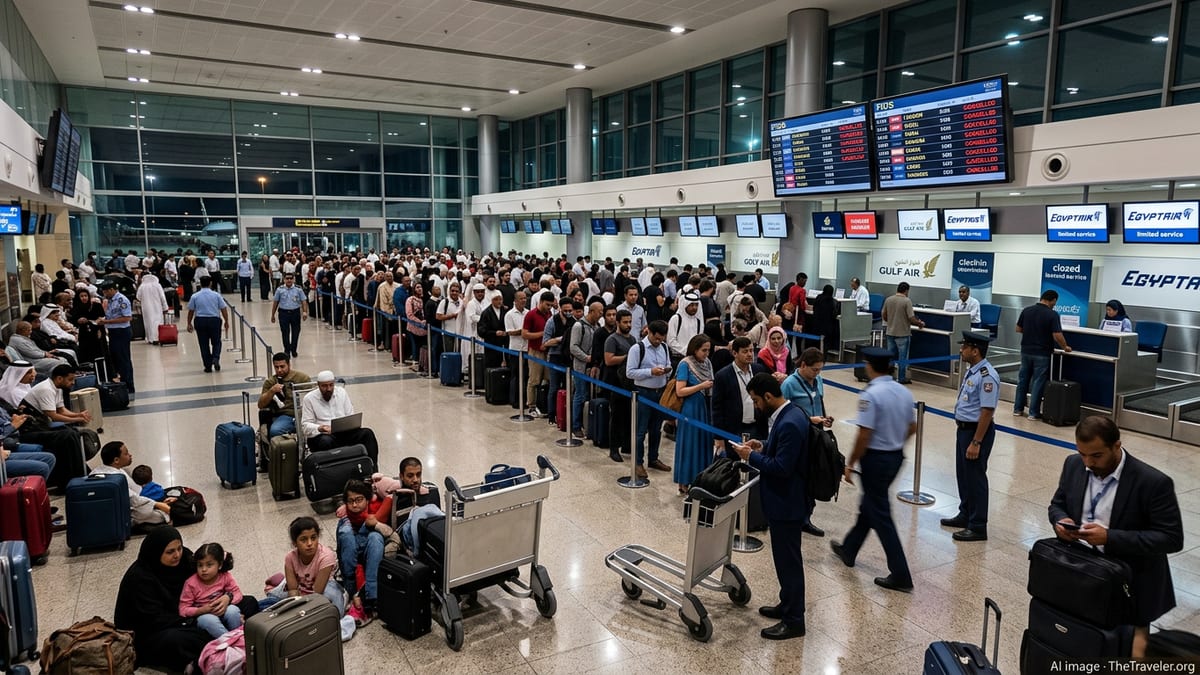
The article highlights Thailand’s Ministry of Tourism and Sports’ initiative to collaborate with the private sector in offering special travel packages for foreign tourists affected by flight cancellations due to unrest in the Middle East. The Tourism Authority of Thailand (TAT) has established a Tourism Crisis Monitoring Centre to closely monitor the escalating situation and provide information to travelers impacted by these disruptions. Specifically, Suvarnabhumi, Don Mueang, Chiang Mai, Phuket, and Krabi international airports have collectively cancelled 59 international flights to or through the Middle East, affecting services operated by major airlines including Emirates, Qatar Airways, Etihad Airways, Gulf Air, Kuwait Airways, Air Arabia, Flydubai, El Al, Arkia Israeli, and Saudi airlines. This development underscores the immediate impact of geopolitical events on the travel industry and the proactive measures being taken by the Thai government to mitigate travel disruptions.
Key Points:
Actionable Takeaways:
Enhanced Travel Insurance Packages: Travel companies should develop enhanced travel insurance packages that specifically cover cancellations and disruptions due to geopolitical events. This aligns with the current trend of offering comprehensive travel protection solutions, providing travelers with peace of mind and potentially increasing customer loyalty.
Real-Time Travel Alerts and Assistance: Implementing real-time travel alert systems and on-ground assistance services can help mitigate the impact of sudden flight cancellations. This proactive approach is in line with the latest travel trends emphasizing traveler safety and support, potentially setting a new standard in crisis management within the travel industry.
Collaborative Partnerships: Strengthening partnerships between government bodies, travel agencies, and airlines can facilitate smoother communication and coordination during crises. This collaborative approach is crucial for effective crisis management and could lead to industry-wide improvements in handling unforeseen disruptions.
Contextual Insights:
The article reflects the current state of the travel industry, where geopolitical events can have immediate and significant impacts on travel operations. The establishment of the Tourism Crisis Monitoring Centre by the TAT demonstrates a proactive stance by the Thai government to manage travel disruptions effectively. This aligns with broader industry trends towards enhanced crisis management and traveler safety. Furthermore, the focus on special travel packages for affected tourists highlights a growing trend in the industry to offer tailored solutions that address specific travel challenges. As travel startups and fintech companies continue to innovate, there is an opportunity to leverage technology for real-time updates, seamless communication, and efficient crisis response mechanisms. This not only enhances the travel experience for affected tourists but also positions travel companies to capitalize on emerging market opportunities in crisis management and travel protection services.
Read the Complete Article.
Boutique Travel VC raises investment cap from $1.5M to $10M to lead rounds and support portfolio companies through growth Travel...
Read moreDetails



