









No products in the cart.
- Latest
- Trending

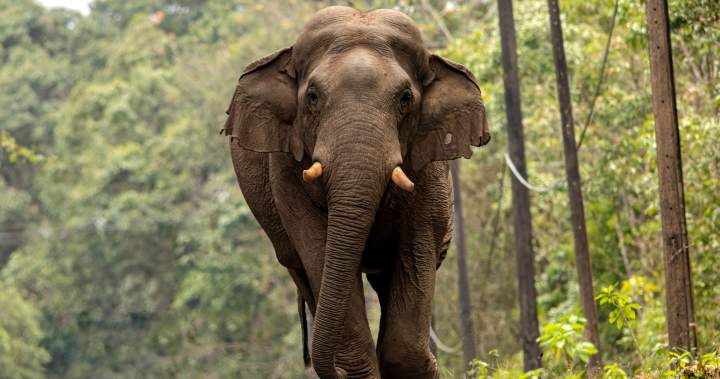
Elephant in Khao Yai National Park, Thailand. Getty Images/File
Comprehensive Summarization:
The article reports a tragic incident in Thailand’s Khao Yai National Park where a 65-year-old Thai tourist was killed by a wild bull elephant. This marks the third fatality caused by the same elephant, with the victim identified as Jirathachai Jiraphatboonyathorn. The incident occurred while the tourist was exercising near his tent in a campground. The elephant, known locally as Oyewan, charged at the man, causing severe injuries including broken limbs and internal bleeding. The incident highlights the ongoing risks associated with wildlife in national parks and underscores the importance of safety measures for tourists in such environments.
Key Points:
Actionable Takeaways:
Enhanced Safety Measures for Tourists: Given the incident, there is a need for improved safety protocols in national parks, especially for areas where tourists engage in physical activities. This could include mandatory safety briefings, the use of protective gear, and the presence of park rangers to monitor wildlife activity.
Increased Awareness and Education: Tourists should be educated about the risks associated with wildlife in national parks. This could involve mandatory safety courses before entering such areas, emphasizing the importance of following park guidelines and staying alert to their surroundings.
Technological Integration for Wildlife Monitoring: The use of technology, such as GPS tracking and real-time monitoring systems, could help in predicting and managing wildlife movements. This would allow for better preparation and response in case of potential threats, enhancing the safety of both tourists and park staff.
Contextual Understanding:
The incident underscores the ongoing challenges of balancing wildlife conservation with tourism in national parks. While national parks offer unique opportunities for nature enthusiasts, they also pose risks, particularly from wildlife. The recent fatality highlights the need for a proactive approach to safety, integrating both traditional conservation methods and modern technological solutions. This aligns with current industry trends focusing on safety, technology integration, and visitor education in the travel sector. As travel continues to evolve, innovations in safety and risk management will be crucial in ensuring the sustainability of tourism in sensitive environments.
Handling Different Article Types:
The article falls under the category of a news blurb, providing factual information about a recent incident in the travel industry. The structured output format ensures that the information is presented clearly and concisely, suitable for a professional audience. The focus on actionable insights and contextual understanding ensures that the content is relevant and actionable for readers interested in travel safety, wildlife management, and technological advancements in the travel sector.
Read the Complete Article.
Get curated travel AI insights — choose the newsletters that matter to you.
This spot is reserved for brands with a compelling story for the travel trade. They use this space to cut...
Read moreDetailsALTOUR Expands into Thailand, Strengthening Corporate Travel Network Across Southeast Asia BANGKOK, THAILAND (25 March, 2026) – ALTOUR, a leading...
Read moreDetails


Comprehensive Summarization: The article discusses the use of artificial intelligence (AI) in planning trips, specifically referencing the example of planning...
Read moreDetails