


















Travel Capitalist Ventures Expands Check Size to $10 Million to Deepen Emerging Market Conviction
Boutique Travel VC raises investment cap from $1.5M to $10M to lead rounds and support portfolio companies through growth Travel...
Read moreDetails
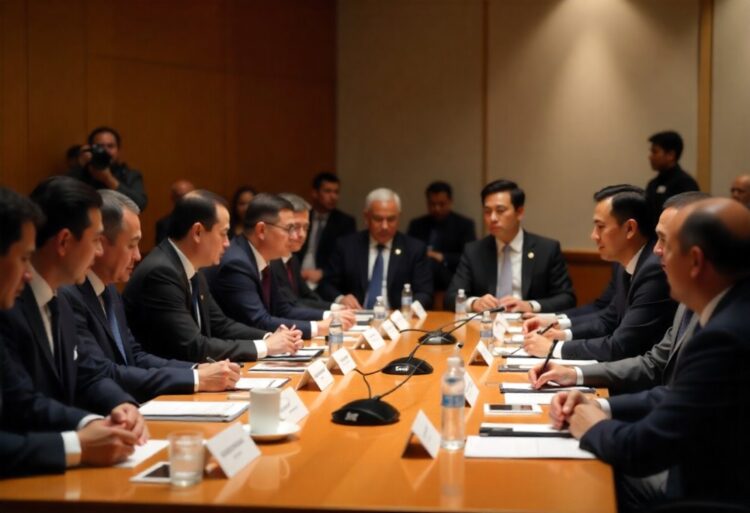
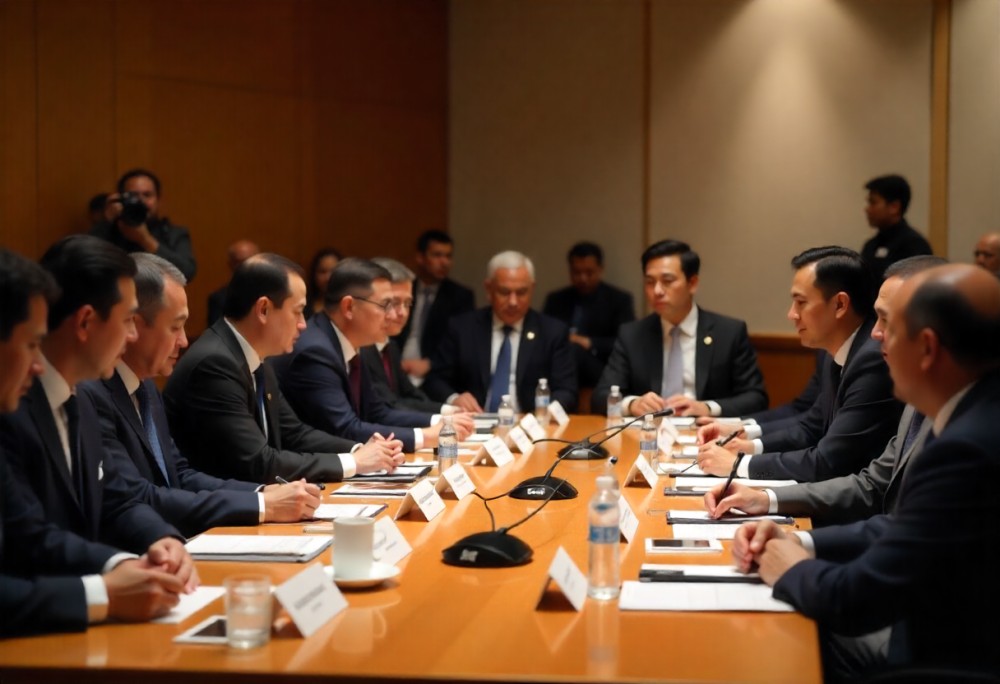
Prime Minister of Thailand to Meet Tourism Operators in the Next Week to Discuss Stimulus Measures, ...
Article Summary:
The Prime Minister of Thailand, Anutin Charnvirakul, is set to meet with tourism operators next week to discuss stimulus measures aimed at revitalizing the tourism industry amid a projected low tourism season in 2026. This comes in response to concerns raised by operators regarding the potential impact of weak arrivals following the downturn experienced in the previous year. The meeting is part of the new government’s willingness to consider various proposals to support the sector.
Key Points:
Actionable Takeaways:
Stimulus Measures for Tourism: The Thai government’s willingness to consider proposals from tourism operators indicates a proactive approach to addressing the challenges faced by the industry. This could involve financial incentives, marketing campaigns, or policy changes to boost tourism arrivals during the low season.
Contextual Insights:
The article reflects the ongoing challenges faced by the global tourism industry, particularly in the wake of the COVID-19 pandemic and economic downturns. The proactive stance of the Thai government highlights a broader trend among governments to take preemptive measures to support their tourism sectors. This aligns with current industry trends emphasizing the importance of resilience and adaptability in the face of unforeseen challenges. Furthermore, the consideration of free domestic flights for foreign tourists indicates a strategic shift towards enhancing domestic tourism, a trend observed in several countries aiming to bolster their domestic markets.
Handling Different Article Types:
The article in question is a news blurb, providing factual information about an upcoming meeting between the Thai Prime Minister and tourism operators. The summary, key points, and actionable takeaways are structured to reflect the concise nature of news blurbs, ensuring that the information is clear and directly relevant to the professional audience. Should the article have been an opinion piece or feature, the approach would have involved analyzing the author’s perspective, evaluating the implications of the discussed trends or innovations, and providing a more nuanced analysis of potential impacts on the industry.
Read the Complete Article.
Boutique Travel VC raises investment cap from $1.5M to $10M to lead rounds and support portfolio companies through growth Travel...
Read moreDetails




