










No products in the cart.
- Latest
- Trending

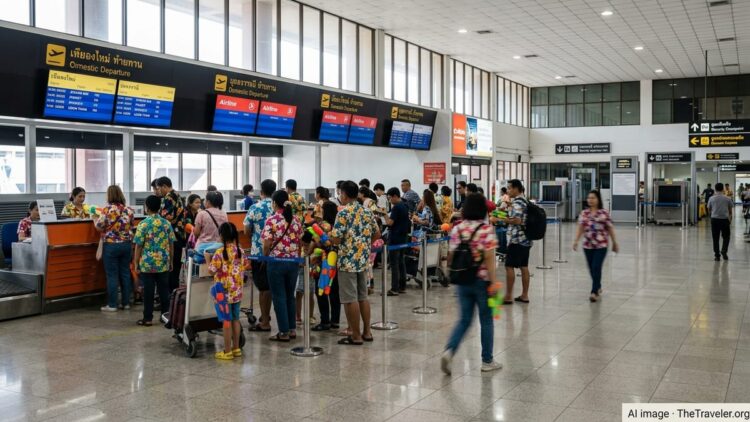
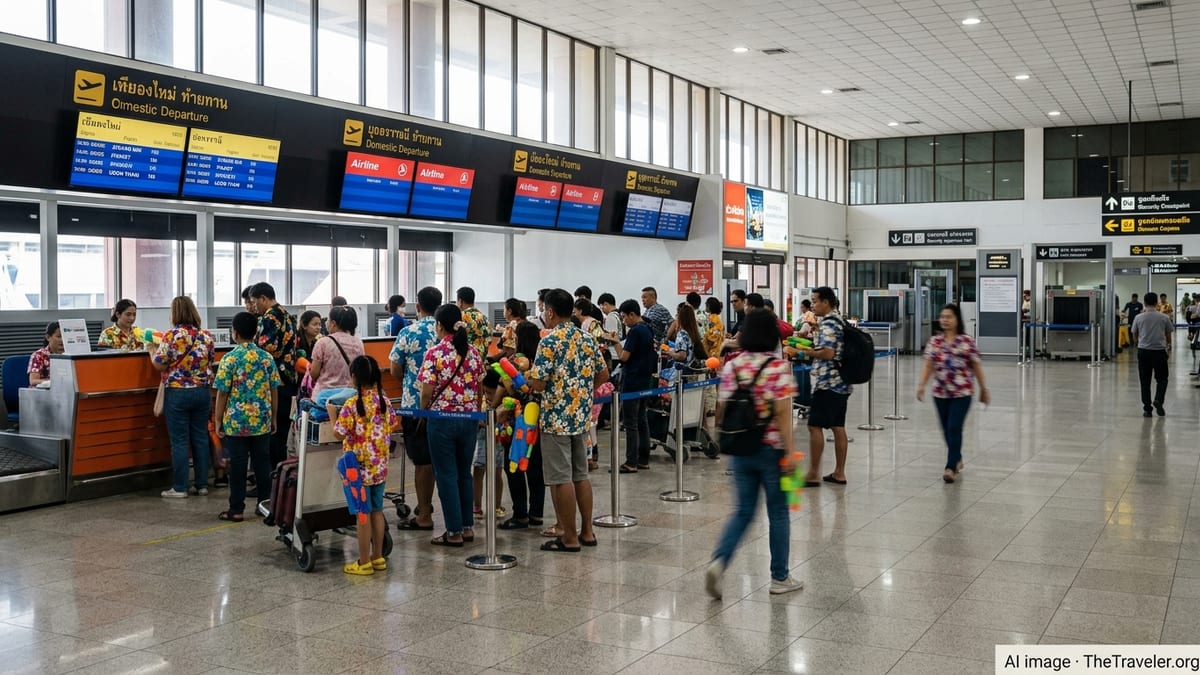
Thailand Braces for Record Songkran Air Travel Surge
Comprehensive Summarization:
Thailand’s aviation sector is gearing up for one of its busiest holiday periods as the country prepares for Songkran, the Thai New Year festival. Domestic airlines are increasing their flight capacity and offering competitive fares on popular routes to accommodate the anticipated surge in festival travel. The article highlights the role of public flight and tourism forecasts in predicting this increase, despite challenges such as high fuel prices and broader economic concerns. The focus is on how airlines are adapting to meet the demand, emphasizing the importance of strategic capacity planning and competitive pricing in the context of a major cultural event.
Key Points:
Actionable Takeaways:
Contextual Insights:
The article reflects the current dynamics of the travel industry, particularly in a country with a rich cultural heritage and a strong tourism sector. The focus on Songkran as a catalyst for increased domestic air travel highlights the interplay between cultural events and travel patterns. The challenges posed by high fuel prices and economic concerns underscore the need for airlines to adopt agile strategies that balance cost efficiency with service quality. This context is crucial for understanding the broader implications for the travel industry, especially in terms of how airlines can adapt to seasonal fluctuations and maintain competitiveness. The insights also point to the importance of leveraging data analytics to inform strategic decisions, a trend that is increasingly relevant in the modern travel sector.
Read the Complete Article.
Get curated travel AI insights — choose the newsletters that matter to you.
ALTOUR Expands into Thailand, Strengthening Corporate Travel Network Across Southeast Asia BANGKOK, THAILAND (25 March, 2026) – ALTOUR, a leading...
Read moreDetails


Comprehensive Summarization: Thailand's aviation sector is gearing up for one of its busiest holiday periods as the country prepares for...
Read moreDetails