





















Travel Capitalist Ventures Expands Check Size to $10 Million to Deepen Emerging Market Conviction
Boutique Travel VC raises investment cap from $1.5M to $10M to lead rounds and support portfolio companies through growth Travel...
Read moreDetails
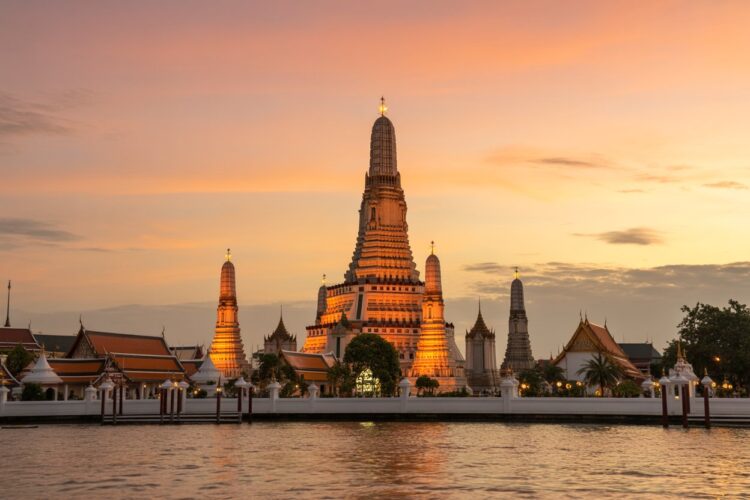
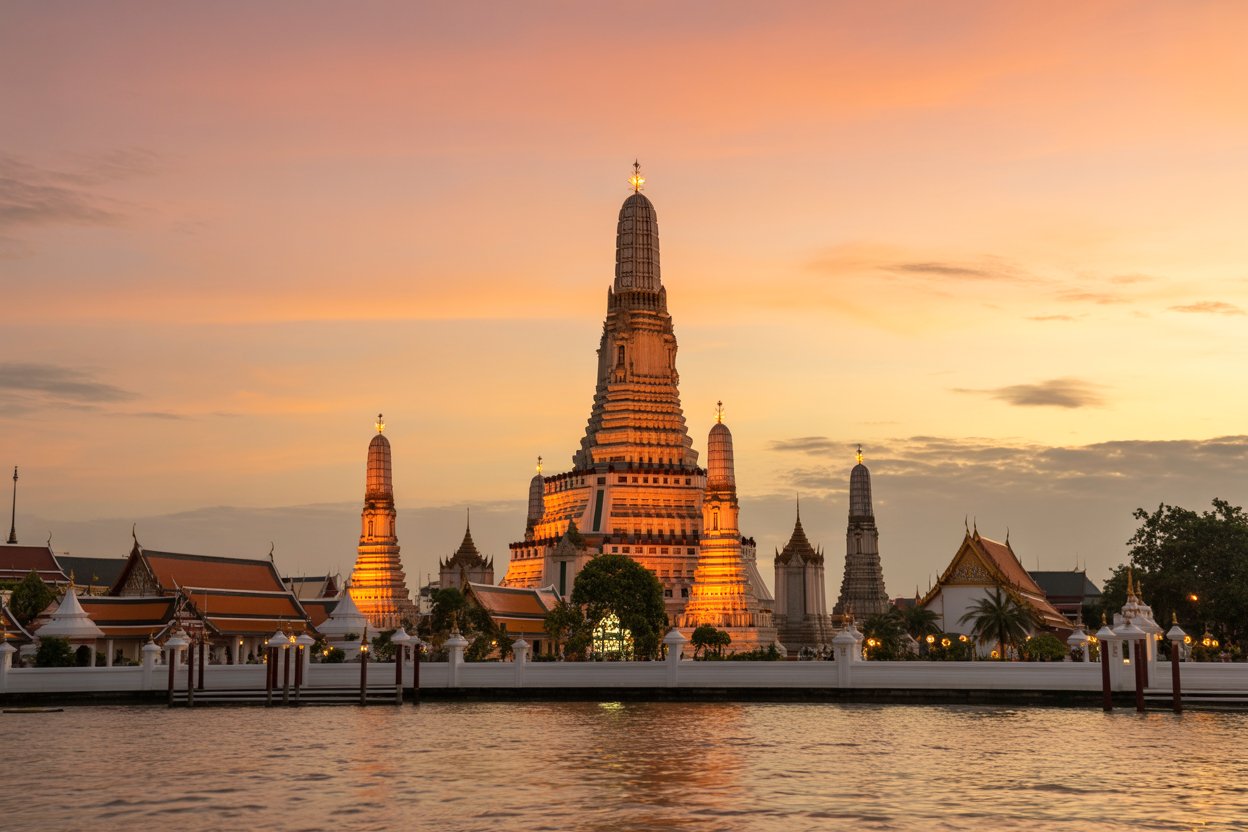
How Thailand is Set to Become the Ultimate Safe Haven for Tourists Amid Middle East Conflict – What ...
Comprehensive Summarization:
The article discusses how Thailand is positioned to become a safe haven for tourists amidst ongoing geopolitical tensions in the Middle East. As global travel patterns are disrupted by conflicts, Thailand’s stability and safety are attracting more individuals seeking secure travel destinations. This shift is expected to significantly impact the global tourism and aviation industries, with Thailand likely to see changes in demand and flight patterns. The article highlights the evolving tourism landscape and its implications for the travel sector, emphasizing the importance of safety and stability in shaping future travel trends.
Key Points:
Actionable Takeaways:
Investment in Safety Measures: Travel companies and destinations should invest in enhancing safety measures and infrastructure to attract more tourists, especially from regions affected by geopolitical tensions. This is crucial as safety and stability are becoming primary considerations for travelers.
Diversification of Travel Destinations: Airlines and travel agencies should diversify their destination offerings to include safer and more stable regions. This strategic move can help mitigate risks associated with geopolitical conflicts and ensure a steady flow of tourists.
Focus on Digital Travel Solutions: The rise of digital travel solutions, including online booking platforms and virtual tours, can play a significant role in maintaining travel continuity. These technologies can provide travelers with safer and more convenient ways to explore destinations, even amidst global uncertainties.
Contextual Insights:
The article reflects the current state of the travel industry, where geopolitical tensions are reshaping travel patterns and preferences. With the Middle East being a focal point of conflicts, destinations like Thailand are gaining prominence as safe alternatives. This shift underscores the importance of safety and stability in travel decisions, a trend that is likely to continue influencing the industry. Furthermore, the article highlights the potential for technological advancements, such as digital travel solutions, to mitigate the impact of geopolitical uncertainties. As the industry adapts to these challenges, innovations in travel tech and fintech are expected to play a pivotal role in shaping future travel experiences.
Read the Complete Article.
Boutique Travel VC raises investment cap from $1.5M to $10M to lead rounds and support portfolio companies through growth Travel...
Read moreDetails




