



















Travel Capitalist Ventures Expands Check Size to $10 Million to Deepen Emerging Market Conviction
Boutique Travel VC raises investment cap from $1.5M to $10M to lead rounds and support portfolio companies through growth Travel...
Read moreDetails
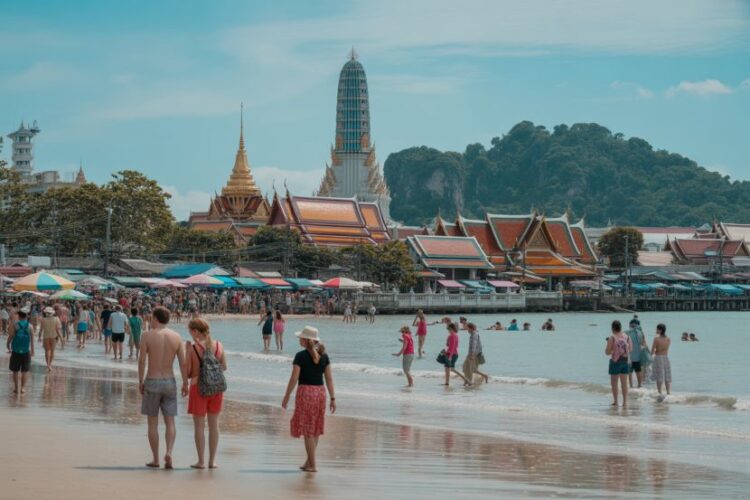
Thailand, South Korea, and Cambodia: Border Clashes Unlikely to Disrupt Tourism or Flights to Bangko...
Article Summary:
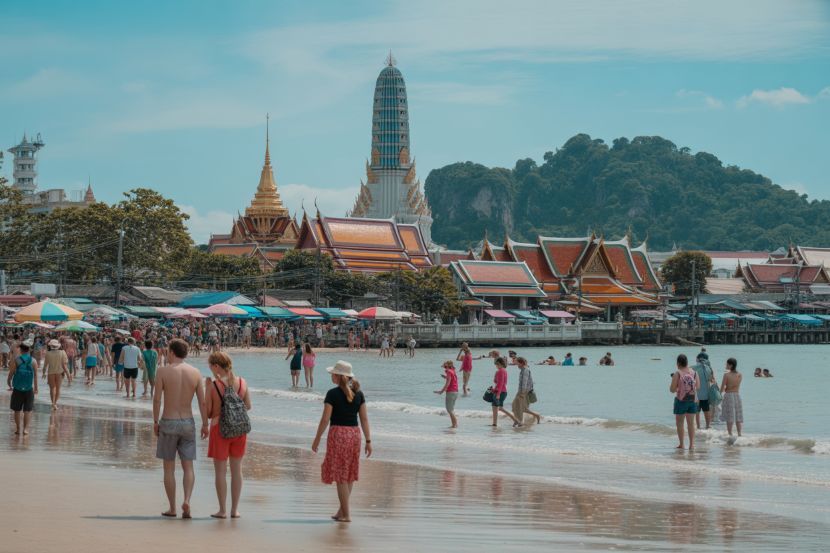
The article discusses the ongoing border clashes between Thailand and Cambodia and their impact on tourism in Thailand, particularly in major destinations like Bangkok, Phuket, and Chiang Mai. Despite the tensions, the tourism sector remains largely unaffected, with international flight routes and tourist activities continuing uninterrupted. The Aeronautical Radio of Thailand (AEROTHAI) has confirmed that the border skirmishes have not disrupted travel to these key destinations, ensuring that Thailand’s tourism continues to thrive, especially during the peak season.
Key Points:
Actionable Takeaways:
Contextual Insights:
The article reflects the ongoing challenges faced by the travel industry due to geopolitical tensions. Despite these challenges, the resilience of Thailand’s tourism sector is a testament to its robust infrastructure and the strong appeal of its destinations. This situation highlights the importance of real-time monitoring of geopolitical events in the travel industry, as they can have immediate and significant impacts on travel plans and logistics. Furthermore, the article underscores the need for travel businesses to remain adaptable and informed, leveraging insights from thought leaders to navigate uncertainties and capitalize on stable conditions. The emphasis on maintaining travel plans and monitoring the border situation aligns with current industry trends, where adaptability and proactive risk management are key to sustaining growth and resilience in the face of external challenges.
Read the Complete Article.
Boutique Travel VC raises investment cap from $1.5M to $10M to lead rounds and support portfolio companies through growth Travel...
Read moreDetails



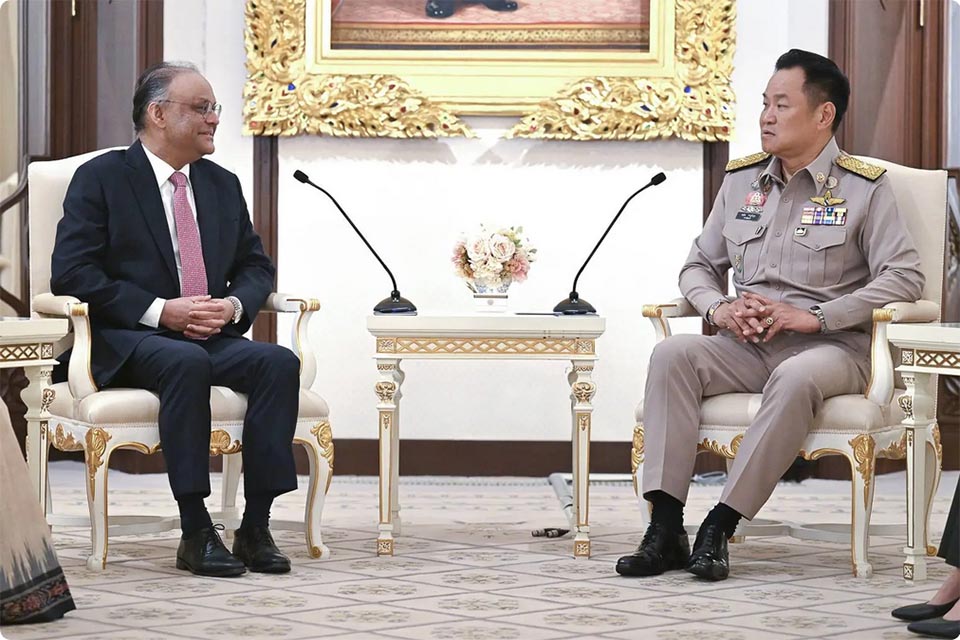
Comprehensive Summarization: The article reports on a meeting between Thailand's Prime Minister Anutin Charnvirakul and the outgoing Indian Ambassador to...
Read moreDetails
