




















Travel Capitalist Ventures Expands Check Size to $10 Million to Deepen Emerging Market Conviction
Boutique Travel VC raises investment cap from $1.5M to $10M to lead rounds and support portfolio companies through growth Travel...
Read moreDetails

Tourists wear traditional Thai garments while visiting the Temple of Dawn in Bangkok. Tourism operators expect more Chinese visitors as a result of a diplomatic spat with Japan. Nutthawat Wichieanbut
Article Summary:
The article discusses the shift in travel patterns due to political tensions between Japan and China. As diplomatic disputes escalate, Chinese tourists are increasingly choosing Thailand over Japan. Thai tourism operators are capitalizing on this trend, urging more Chinese visitors to explore Thailand’s rich cultural heritage and natural beauty. The article highlights the diplomatic spat as a significant driver of this change in travel behavior and underscores the potential for Thailand to benefit from this shift in tourism dynamics.
Key Points:
Actionable Takeaways:
Leverage Diplomatic Relations for Tourism Growth: Thai tourism operators should continue to leverage diplomatic tensions as an opportunity to attract Chinese tourists. By highlighting unique cultural and natural attractions, Thailand can position itself as a preferred destination for Chinese travelers seeking alternatives to Japan.
Enhance Marketing Efforts Targeting Chinese Tourists: There is a clear opportunity for Thai tourism operators to enhance their marketing strategies specifically targeting Chinese tourists. This could include targeted digital campaigns, partnerships with Chinese travel agencies, and promotional offers tailored to Chinese travelers.
Contextual Insights:
The article reflects the dynamic nature of the travel industry, where geopolitical events can quickly alter consumer behavior and travel patterns. The shift from Japan to Thailand as a preferred destination for Chinese tourists underscores the importance of adaptability and responsiveness in travel marketing strategies. This trend aligns with broader industry insights that highlight the growing influence of political and economic factors on travel demand. As such, travel operators and startups should remain vigilant in monitoring geopolitical developments and be prepared to adjust their strategies accordingly. Furthermore, the article highlights the potential for Thailand to benefit from this shift, suggesting that other destinations could also experience similar changes in response to diplomatic tensions. This presents an opportunity for travel startups and fintech companies to develop innovative solutions that facilitate travel bookings and payments for tourists navigating these geopolitical challenges.
Read the Complete Article.
Boutique Travel VC raises investment cap from $1.5M to $10M to lead rounds and support portfolio companies through growth Travel...
Read moreDetails



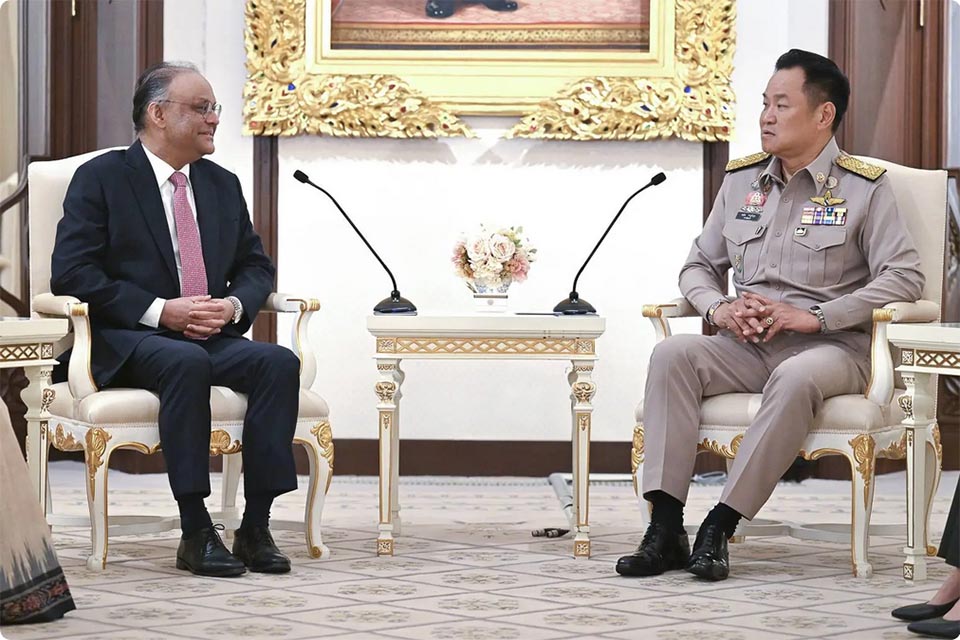
Comprehensive Summarization: The article reports on a meeting between Thailand's Prime Minister Anutin Charnvirakul and the outgoing Indian Ambassador to...
Read moreDetails
