






No products in the cart.
- Latest
- Trending

Thailand Leads the World in Tourism with Bangkok as the Most Visited City, But Faces Growing Challen...
Article Summary:
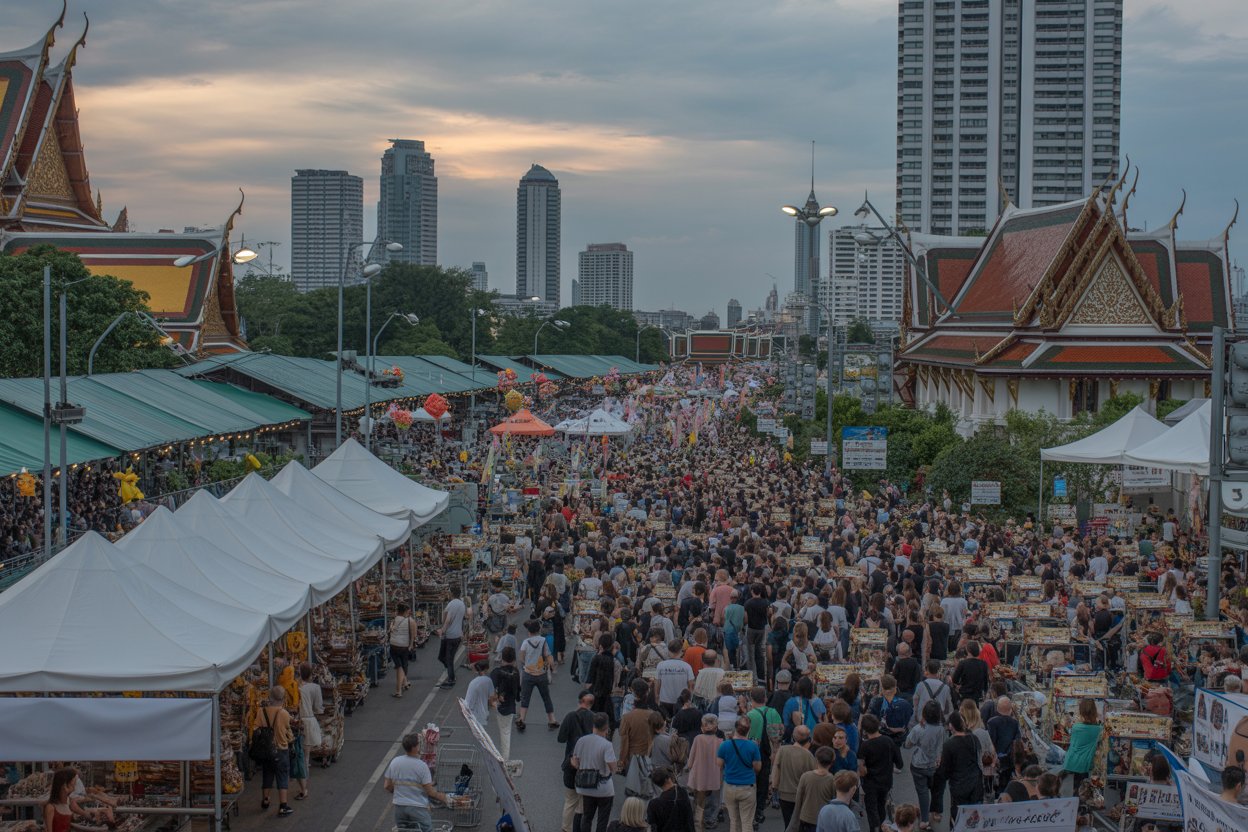
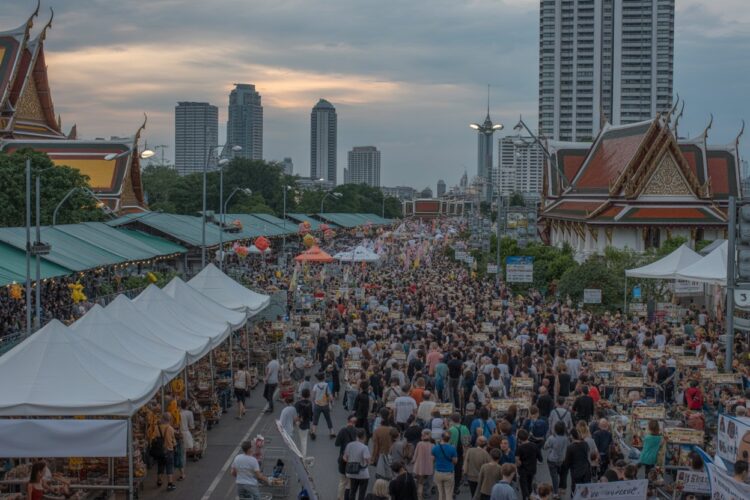
Bangkok, Thailand’s capital, has been named the most visited city in the world for 2025, welcoming an estimated 30.3 million international visitors. This status reflects Bangkok’s magnetic appeal to global travelers. While the city’s popularity underscores its significance in the global tourism landscape, it also presents challenges for authorities in managing the pressures of such massive tourist flows. The article highlights the balance between capitalizing on tourism’s economic benefits and addressing the infrastructure and crowd management issues that accompany such high visitor numbers.
Key Points:
Actionable Takeaways:
Infrastructure Investment: To sustain Bangkok’s position as the world’s most visited city, authorities should prioritize investments in infrastructure to handle increased tourist numbers efficiently. This includes expanding public transportation systems, improving airport facilities, and enhancing city-wide transportation networks to reduce congestion and improve visitor experience.
Crowd Management Strategies: Implementing advanced crowd management strategies, such as dynamic pricing for popular attractions, timed entry systems, and real-time crowd monitoring, can help alleviate pressure on key tourist sites. These strategies can enhance visitor satisfaction while preventing overcrowding and ensuring safety.
Sustainable Tourism Practices: Encouraging sustainable tourism practices can mitigate the environmental impact of the high tourist influx. This could involve promoting eco-friendly accommodations, implementing waste management programs, and educating tourists on responsible travel behaviors. Such initiatives not only preserve Bangkok’s natural and cultural heritage but also appeal to a growing segment of eco-conscious travelers.
Contextual Insights:
The article’s focus on Bangkok’s status as the world’s most visited city underscores the broader trend of urban destinations competing for global tourist attention. In recent years, cities worldwide have been leveraging their unique cultural, historical, and technological offerings to attract international visitors. Bangkok’s success is indicative of the growing importance of urban tourism in the global economy, where cities serve as key drivers of economic growth through hospitality, retail, and entertainment sectors.
Moreover, the challenges of managing crowds and infrastructure highlight the need for innovative solutions in travel technology and urban planning. The integration of smart city technologies, such as AI-driven traffic management systems and IoT-based crowd monitoring, can play a crucial role in addressing these challenges. These technologies not only enhance operational efficiency but also improve the overall visitor experience by providing real-time information and personalized services.
In the context of travel tech and fintech, the article suggests opportunities for startups to develop solutions that address the operational and financial needs of tourists and local businesses. For instance, mobile payment solutions tailored for tourists, digital platforms for booking and navigating tourist attractions, and fintech services that facilitate easy currency exchange and budget management can significantly enhance the travel experience. These innovations can also drive economic growth by supporting local businesses and creating new revenue streams for cities.
Overall, Bangkok’s position as the world’s most visited city in 2025 presents both opportunities and challenges. By leveraging strategic investments in infrastructure, implementing effective crowd management strategies, and embracing sustainable tourism practices, Bangkok can continue to thrive as a global tourism hub while ensuring the well-being of its residents and visitors alike.
Read the Complete Article.
Get curated travel AI insights — choose the newsletters that matter to you.
ALTOUR Expands into Thailand, Strengthening Corporate Travel Network Across Southeast Asia BANGKOK, THAILAND (25 March, 2026) – ALTOUR, a leading...
Read moreDetails


AI Insider's Market Intelligence platform offers real-time insights into AI funding, competition, and trends for informed decision-making.
Read moreDetails