



















Travel Capitalist Ventures Expands Check Size to $10 Million to Deepen Emerging Market Conviction
Boutique Travel VC raises investment cap from $1.5M to $10M to lead rounds and support portfolio companies through growth Travel...
Read moreDetails
Thailand Tourism 2026: Iran Conflict & Airspace Closures Impact | Nation Thailand
Comprehensive Summarization:
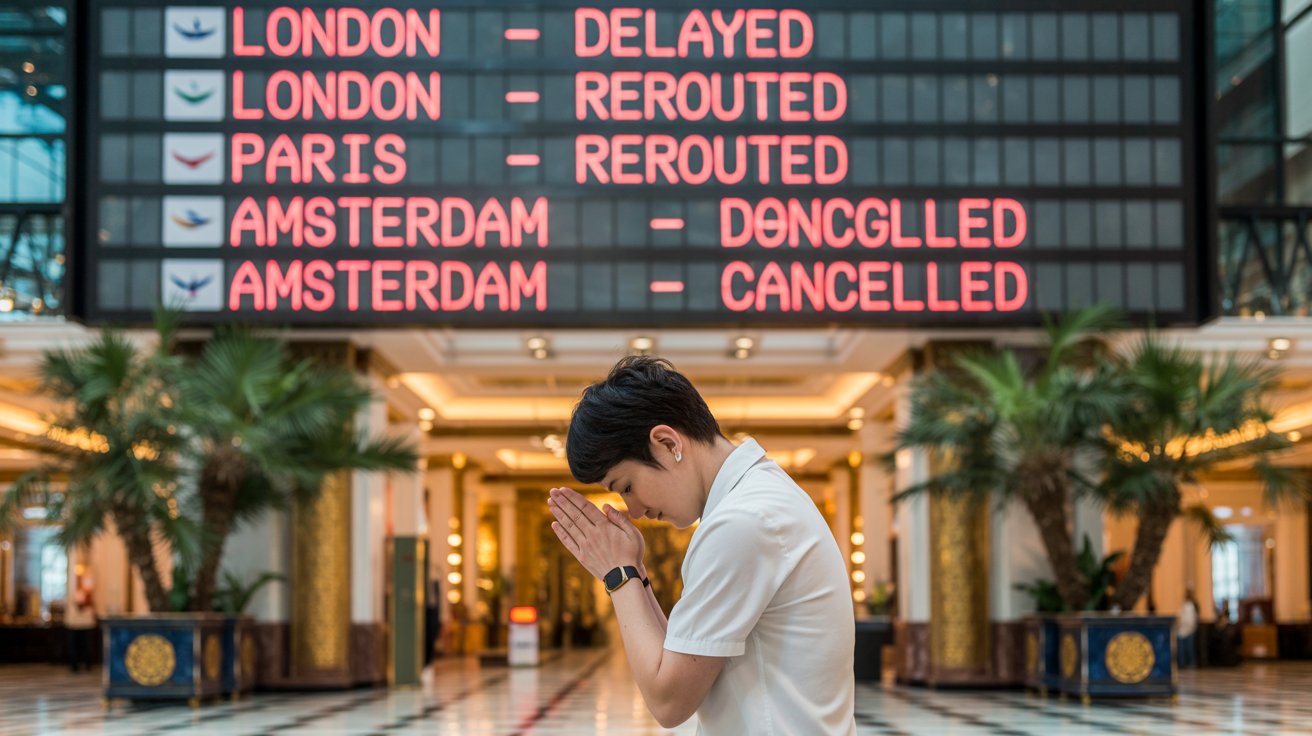
The article discusses the impact of the Middle East conflict, specifically the war involving Iran, on Thailand’s tourism sector. Despite Thailand’s tourism industry having shown a post-pandemic recovery, the conflict has introduced uncertainty, causing Thai officials and hoteliers to scramble to protect their ambitious 2026 targets. The article highlights the surge in arrivals from China during the Chinese New Year festival, reaching 30,000 per day, which indicates a strong recovery. However, the looming threat of conflict has led to cautious optimism among the Thai Hotels Association (THA) and the Tourism Authority of Thailand (TAT), who are still aiming for significant growth in 2026.
Key Points:
Actionable Takeaways:
Risk Management in Tourism: Travel companies and tourism authorities should implement robust risk management strategies to mitigate the impact of geopolitical conflicts on tourism. This includes diversifying markets, enhancing security measures, and maintaining flexible pricing strategies to adapt to changing travel patterns.
Leveraging Regional Strengths: Thailand’s strong performance during the Chinese New Year festival suggests that leveraging regional tourism trends can be beneficial. Travel companies should focus on marketing campaigns that highlight Thailand’s appeal to Chinese tourists and other key markets, ensuring a steady influx of visitors.
Investment in Technology: The article underscores the importance of technology in navigating uncertainties. Investing in advanced travel tech solutions, such as AI-driven booking systems, real-time market analysis tools, and enhanced cybersecurity measures, can help travel companies stay resilient in the face of geopolitical uncertainties.
Contextual Insights:
The article reflects the current state of the travel industry, which is navigating the aftermath of the COVID-19 pandemic and facing new challenges from geopolitical conflicts. The recovery of Thailand’s tourism sector, despite the conflict, highlights the sector’s resilience and adaptability. The surge in arrivals from China indicates that certain markets remain robust and can support significant growth. Looking forward, the integration of advanced travel technologies and strategic risk management will be crucial for travel companies to sustain growth and capitalize on emerging opportunities in the post-pandemic era. The article also suggests that thought leaders are emphasizing the need for innovation and flexibility in travel strategies to adapt to rapidly changing global dynamics.
Read the Complete Article.
Boutique Travel VC raises investment cap from $1.5M to $10M to lead rounds and support portfolio companies through growth Travel...
Read moreDetails




