

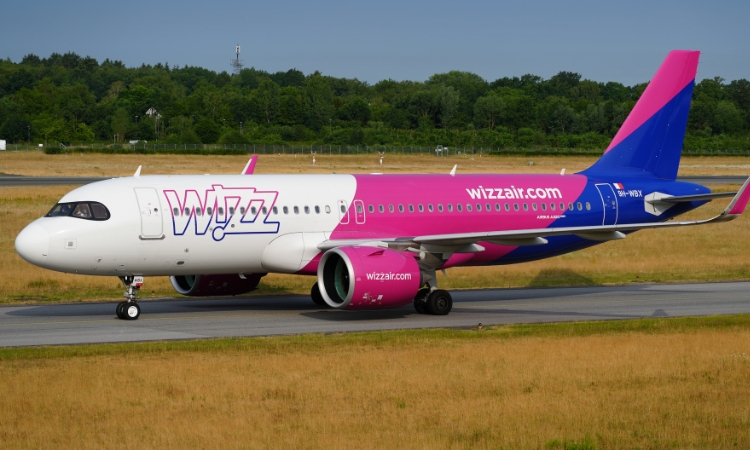





















Travel Capitalist Ventures Expands Check Size to $10 Million to Deepen Emerging Market Conviction
Boutique Travel VC raises investment cap from $1.5M to $10M to lead rounds and support portfolio companies through growth Travel...
Read moreDetails
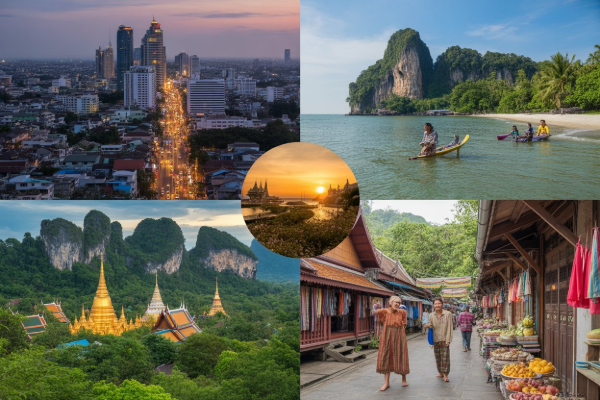
Thailand Tourism Faces Income Imbalance as New Strategies Aim to Spread Traveler Benefits Nationwide
Comprehensive Summarization:
The article discusses the growing challenge of income imbalance in Thailand’s tourism sector, despite the country’s continued allure to global travelers. In 2025, Thailand’s tourism sector generated approximately 2.86 trillion baht in revenue, but this wealth is heavily concentrated in just a few provinces, primarily Bangkok and Phuket, which accounted for over 70% of total tourism income. The top five earning provinces saw this concentration, leaving much of Thailand’s diverse landscape underutilized for visitors seeking unique experiences. This disparity highlights a need for more balanced economic development across the country to ensure wider distribution of tourism benefits.
Key Points:
Actionable Takeaways:
Diversify Tourism Investment: To address the income imbalance, there is a need for strategic investment in tourism infrastructure and marketing across less popular provinces. This diversification can help spread the economic benefits of tourism more evenly across the country, encouraging travelers to explore beyond the usual hotspots like Bangkok and Phuket.
Leverage Digital Marketing Strategies: Given the heavy concentration of tourism income in major cities, leveraging digital marketing strategies to promote lesser-known destinations can attract a broader range of tourists. This approach can help in reducing the concentration of tourism revenue and promoting a more balanced economic development across Thailand.
Enhance Regional Tourism Infrastructure: Investing in regional tourism infrastructure, such as transportation, accommodation, and cultural attractions, can make these areas more appealing to international travelers. Improved infrastructure can serve as a catalyst for increased tourism, thereby contributing to a more balanced distribution of tourism revenue.
Contextual Understanding:
The article reflects the current state of Thailand’s tourism industry, where a significant portion of revenue is concentrated in a few provinces, primarily due to their popularity and marketing efforts. This trend is not unique to Thailand but is a common challenge faced by many tourism-dependent economies worldwide. The focus on digital marketing and regional infrastructure development aligns with current industry trends, emphasizing the importance of leveraging technology and strategic investments to foster balanced economic growth in the tourism sector. Thought leaders in the travel industry often advocate for such balanced development to ensure sustainable tourism growth and to prevent over-reliance on a few high-income destinations.
Handling Different Article Types:
The article is a news brief that provides factual information about Thailand’s tourism sector, highlighting a specific challenge and potential solutions. The structured output format is designed to present this information clearly and concisely, making it suitable for integration into professional reports or presentations. The content is strictly based on the facts and context provided in the article, ensuring accuracy and relevance for a professional audience.
Read the Complete Article.
Boutique Travel VC raises investment cap from $1.5M to $10M to lead rounds and support portfolio companies through growth Travel...
Read moreDetails




