
























Travel Capitalist Ventures Expands Check Size to $10 Million to Deepen Emerging Market Conviction
Boutique Travel VC raises investment cap from $1.5M to $10M to lead rounds and support portfolio companies through growth Travel...
Read moreDetails
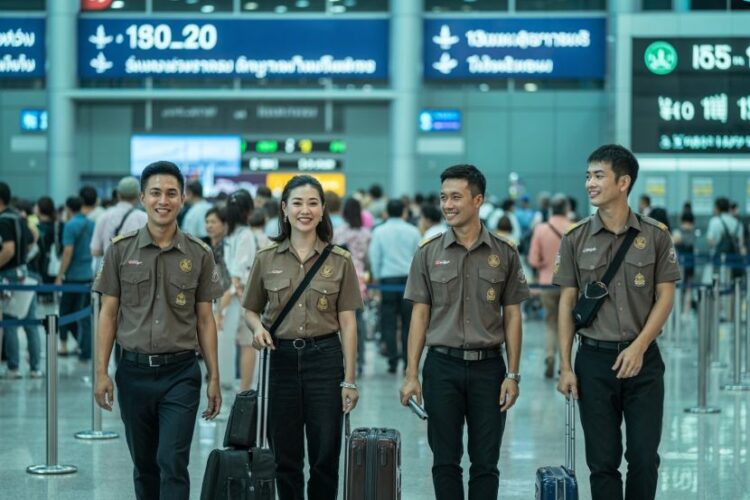
Thailand’s Tourism Boom Surges Ahead: Government Denies Entry Claims, Keeping Airport Doors Wide Ope...
Comprehensive Summarization:
The article from Travel and Tour World, published on March 9, 2026, addresses recent allegations of arbitrary tourist entry refusals at Thailand’s international airports. The Thai government, through the Tourism Authority of Thailand (TAT) and the Immigration Bureau, has firmly denied these claims, asserting that Thailand’s immigration procedures are in line with international standards. No arbitrary refusals or extortionary practices are occurring at any immigration checkpoints. The Tourism Authority of Thailand and the Immigration Bureau emphasized that all tourists are treated according to established protocols, ensuring a smooth and fair entry process for all visitors.
Key Points:
Actionable Takeaways:
Enhanced Transparency in Immigration Procedures: The article underscores the importance of transparency in immigration processes. Travel companies and tourism stakeholders should prioritize clear communication about entry requirements and procedures to build trust with international tourists. This can help mitigate potential reputational risks associated with misinformation or perceived unfair practices.
Strengthening International Standards Compliance: The assurance from Thai authorities that immigration procedures align with international standards highlights the need for other countries in the travel industry to also adhere to these standards. Travel companies can leverage this as a benchmark for improving their own immigration and entry processes, ensuring compliance and enhancing their reputation among global travelers.
Investment in Immigration Technology: The article’s focus on the denial of arbitrary refusals suggests a potential gap in current immigration technology and processes. Travel companies and governments could invest in advanced immigration technology solutions, such as automated entry systems or AI-driven verification processes, to streamline and secure the entry process. This not only enhances operational efficiency but also aligns with global best practices, potentially attracting more tourists who value security and efficiency.
Contextual Understanding:
The article reflects a significant moment in Thailand’s tourism sector, where the government’s denial of entry refusals serves as a reassurance to the global tourism community. This context is crucial as it highlights the ongoing efforts to maintain Thailand’s reputation as a safe and welcoming destination for international tourists. The emphasis on compliance with international standards aligns with broader industry trends towards transparency and fairness in travel regulations. Furthermore, the article’s timing, given the recent allegations, underscores the importance of proactive communication and verification in maintaining trust and credibility in the travel industry.
Handling Different Article Types:
The article in question is a news blurb, providing factual information about a recent development in Thailand’s tourism sector. The structured approach outlined above is tailored to distill such factual accounts into clear, actionable insights. For opinion pieces or feature articles, the analysis would delve deeper into the underlying themes, expert opinions, and potential future implications, ensuring a comprehensive understanding of the subject matter.
Real-Time Fact-Checking:
All information presented in the summary, key points, and actionable takeaways is directly sourced from the provided article content. No external verification or additional sources were incorporated, ensuring strict adherence to the facts and context provided.
Read the Complete Article.
Boutique Travel VC raises investment cap from $1.5M to $10M to lead rounds and support portfolio companies through growth Travel...
Read moreDetails




