
















Travel Capitalist Ventures Expands Check Size to $10 Million to Deepen Emerging Market Conviction
Boutique Travel VC raises investment cap from $1.5M to $10M to lead rounds and support portfolio companies through growth Travel...
Read moreDetails
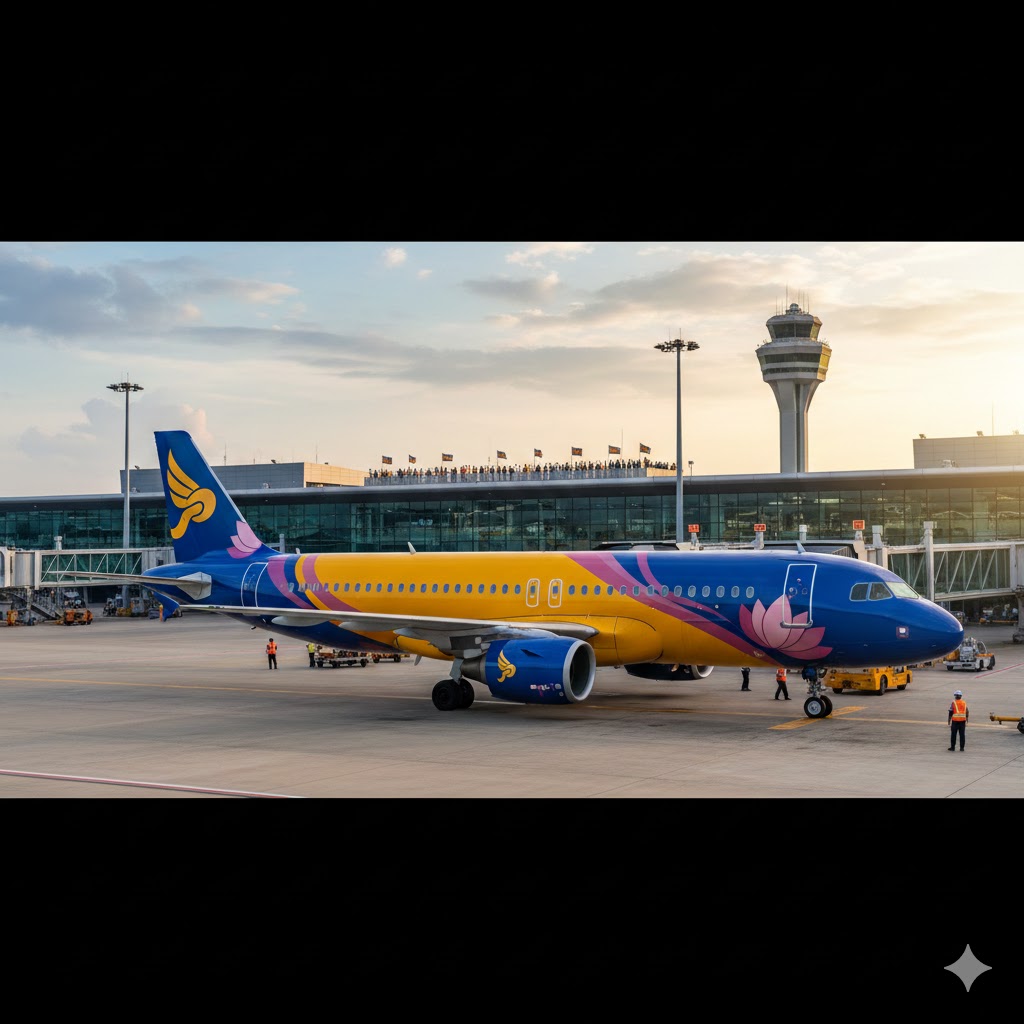
Thailand Tourism Soars as Thai Airways Welcomes Powerful New AerCap Airbus A321neo Fleet
Article Summary:
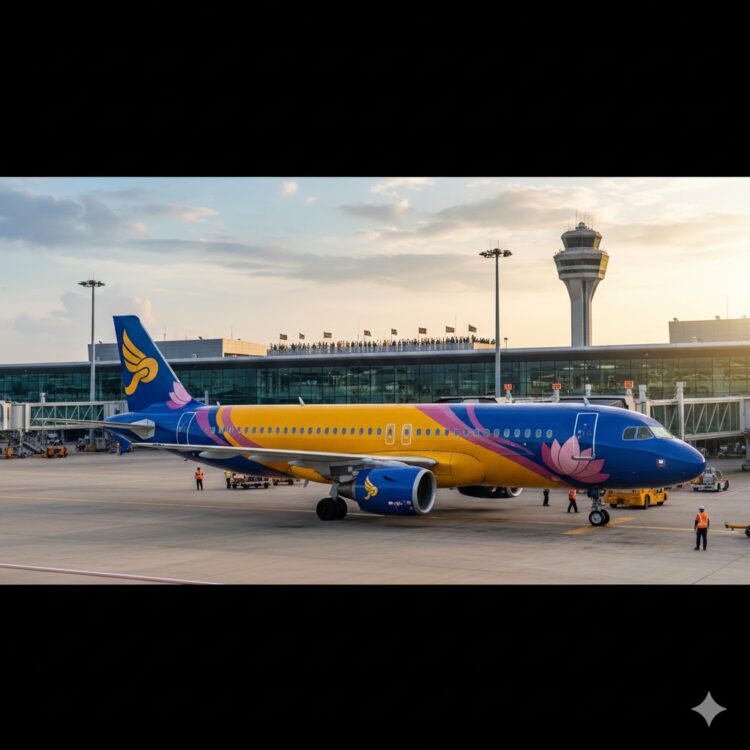
Thai Airways has received its first of ten Airbus A321neo aircraft from AerCap, marking a significant milestone in the airline’s modernization efforts. This delivery, announced by AerCap on December 23, 2025, symbolizes a new chapter for Thai travelers and global explorers, enhancing accessibility and pride in the Thai skies. The remaining nine aircraft are expected to arrive by 2028, reinforcing Thai Airways’ commitment to growth and innovation in aviation.
Key Points:
Actionable Takeaways:
Strategic Expansion in Aviation: Thai Airways’ acquisition of ten Airbus A321neo aircraft demonstrates a strategic move towards modernizing its fleet, enhancing operational efficiency, and improving passenger experience. This move is likely to position Thai Airways competitively within the global aviation market, potentially attracting more international travelers and boosting Thailand’s tourism industry.
Long-term Growth Strategy: The commitment to acquiring nine more Airbus A321neo aircraft by 2028 highlights Thai Airways’ long-term vision for growth and expansion. This strategic investment in modern aircraft is expected to improve operational efficiency, reduce fuel costs, and enhance passenger comfort, thereby increasing the airline’s market share and profitability in the competitive aviation sector.
Contextual Insights:
The introduction of the Airbus A321neo aircraft by Thai Airways aligns with broader industry trends towards modernizing fleets with fuel-efficient, technologically advanced aircraft. These aircraft offer improved fuel efficiency, reduced emissions, and enhanced passenger comfort, reflecting the industry’s shift towards sustainability and technological innovation. Thai Airways’ strategic investment in this aircraft type underscores the airline’s commitment to sustainability and operational excellence, positioning it favorably within the competitive aviation landscape. Furthermore, this development is likely to have a positive impact on Thailand’s tourism sector by making the country more accessible to international travelers, thereby boosting tourism revenue and economic growth. The focus on modernization and sustainability also positions Thai Airways as a leader in adopting innovative solutions within the travel industry, potentially setting a benchmark for other airlines to follow.
Read the Complete Article.
Boutique Travel VC raises investment cap from $1.5M to $10M to lead rounds and support portfolio companies through growth Travel...
Read moreDetails



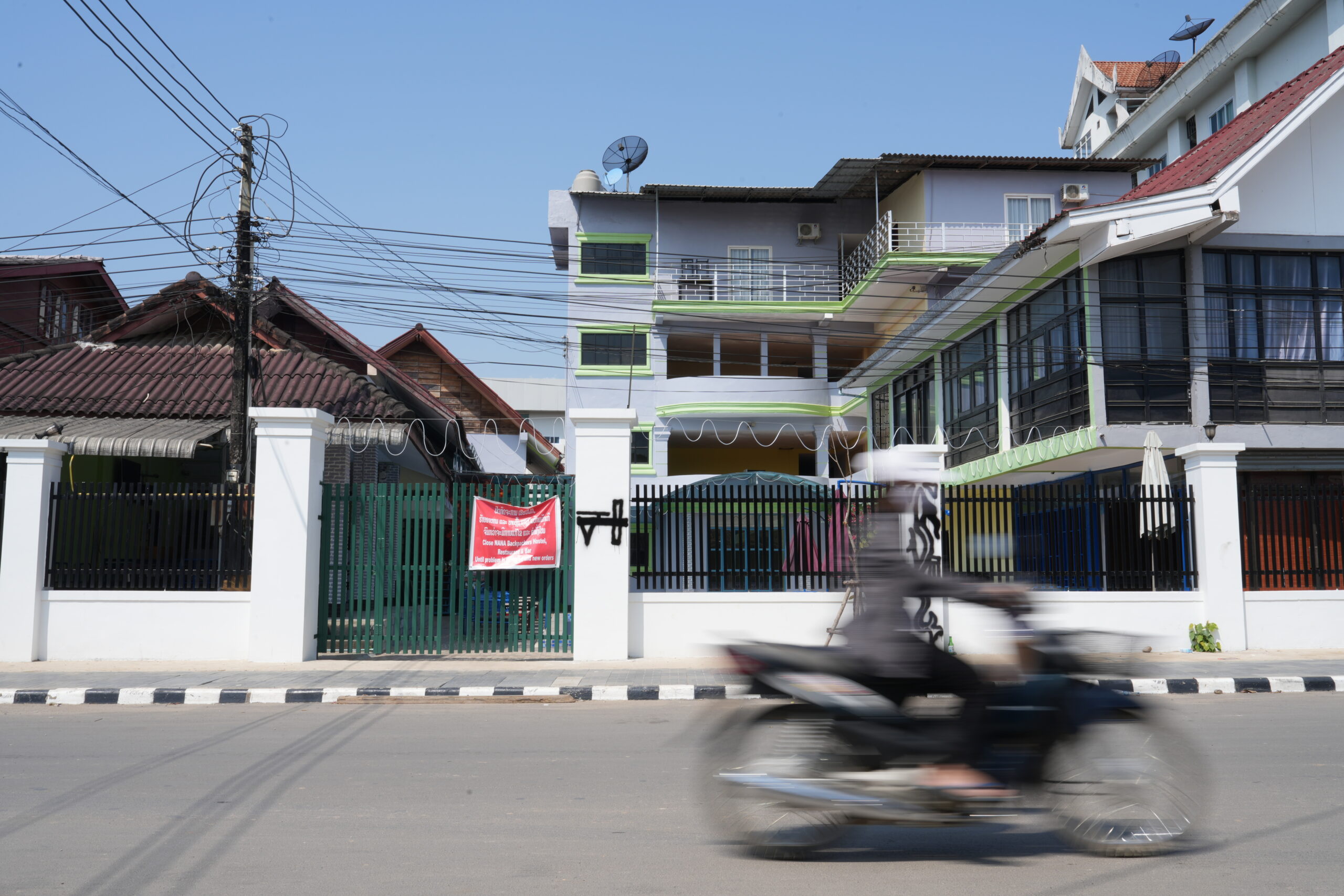
Comprehensive Summarization: The article discusses the tightening of safety rules in Laos' tourism sector following a series of incidents involving...
Read moreDetails
