








No products in the cart.
- Latest
- Trending


Comprehensive Summarization:
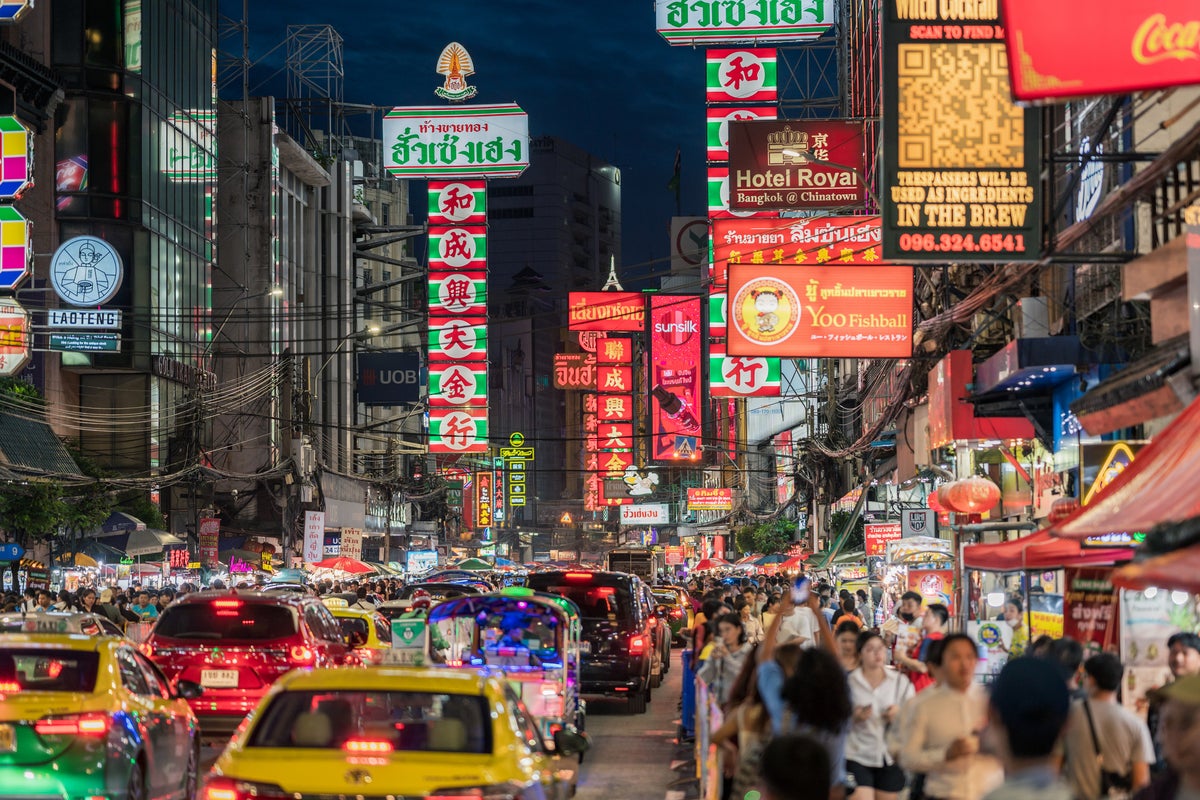
Thailand’s tourism sector experienced a 7.2% decline in 2025, with 32.9 million arrivals compared to 35 million in 2024, according to the Tourism Authority of Thailand (TAT). This drop is attributed to several factors, including a decrease in East Asian visitors following the Bangkok abduction of Chinese actor Wang Xing in January 2025, the aftershocks of a 7.7 magnitude earthquake in northern Myanmar, a border conflict with Cambodia, and severe flooding in the south. The article highlights these events as the primary drivers behind the decline in international tourism numbers, providing a comprehensive overview of the challenges faced by Thailand’s tourism industry in 2025.
Key Points:
Actionable Takeaways:
Diversify Marketing Strategies: Given the decline in East Asian tourism due to geopolitical events, Thailand should diversify its marketing strategies to attract tourists from other regions. This could involve targeted campaigns in regions less affected by the current conflicts, leveraging digital marketing to reach a broader audience.
Enhance Safety Measures and Communication: In light of the Bangkok abduction and the earthquake, improving safety measures and transparent communication about safety protocols can help rebuild traveler confidence. Highlighting Thailand’s robust safety infrastructure and emergency response capabilities can mitigate concerns and attract cautious tourists.
Invest in Post-Disaster Recovery: The severe flooding in the south underscores the need for Thailand to invest in disaster recovery and resilience infrastructure. By improving infrastructure and offering incentives for tourism recovery, Thailand can quickly bounce back from natural disasters, ensuring a stable tourism sector.
Contextual Insights:
The article reflects the current challenges faced by the travel industry, particularly in the wake of geopolitical tensions and natural disasters. The decline in East Asian tourism highlights the sensitivity of the travel sector to global events, emphasizing the need for adaptive marketing strategies. The focus on safety and recovery efforts underscores the importance of resilience in tourism planning. As the industry moves forward, leveraging technology for real-time safety communication and exploring new markets will be crucial for sustained growth. The insights provided align with current industry trends, where adaptability and forward-thinking strategies are key to overcoming challenges and driving recovery.
Read the Complete Article.
Get curated travel AI insights — choose the newsletters that matter to you.
ALTOUR Expands into Thailand, Strengthening Corporate Travel Network Across Southeast Asia BANGKOK, THAILAND (25 March, 2026) – ALTOUR, a leading...
Read moreDetails


Comprehensive Summarization: The article reports that Congo-Brazzaville's President Denis Sassou Nguesso, who has been in power for four decades, secured...
Read moreDetails