



No products in the cart.
- Latest
- Trending


Thailand Tourism Arrivals Drop 3-4%: Flight Chaos, Hotels Cut Rates
Comprehensive Summarization:
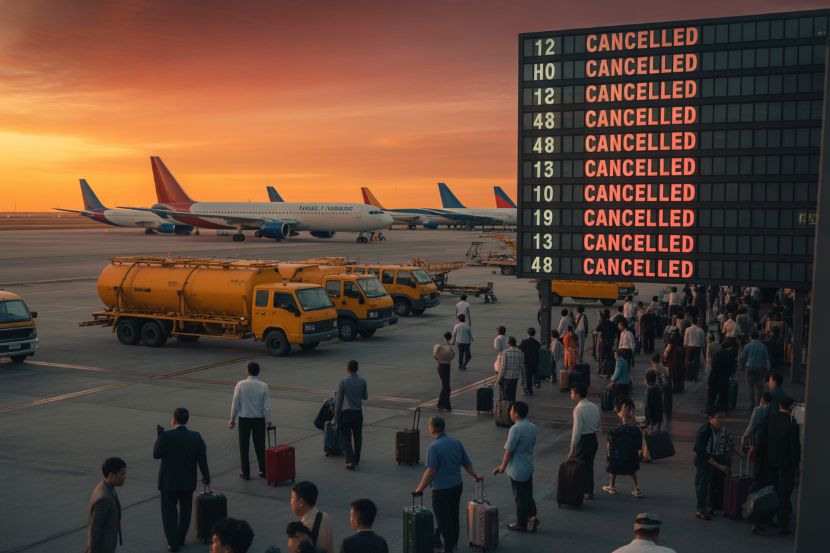
Thailand’s tourism sector is experiencing a decline in arrivals, with a 3-4 percent drop in early 2026, marking an unexpected reversal after months of recovery. This decline is primarily due to aviation disruptions caused by flight cancellations and route changes in Middle Eastern airspace, stemming from regional tensions and heightened fuel costs. The slowdown is evident as visitor numbers between January and mid-March fell below 2025 levels, interrupting the momentum built through late 2025. Luxury hotels in Bangkok and Phuket are responding by slashing rates to maintain occupancy. Government tourism data confirms these trends, and industry analysts warn of potential long-term impacts on the sector.
Key Points:
Actionable Takeaways:
Adaptation Strategies for Hotels: Hotels in Bangkok and Phuket should consider dynamic pricing strategies and targeted marketing campaigns to attract travelers despite the rate reductions. This approach can help maintain occupancy levels and offset the impact of lower arrival numbers.
Focus on Alternative Routes: Airlines and travel agencies should explore alternative routes and partnerships to mitigate the impact of airspace disruptions. Developing new connections or optimizing existing ones could help restore travel flow and support tourism recovery.
Invest in Aviation Resilience: The industry should invest in aviation resilience strategies, including diversifying routes and strengthening partnerships with regional airlines. This proactive approach can help mitigate the impact of future disruptions and support a more stable recovery in tourism arrivals.
Contextual Insights:
The decline in Thailand’s tourism arrivals is a direct consequence of the broader aviation crisis in the Middle East, driven by flight cancellations and route changes due to regional tensions. This situation highlights the interconnected nature of the travel industry, where disruptions in one sector can have cascading effects on others, such as tourism. The response from luxury hotels, through rate reductions, demonstrates a common strategy among hospitality businesses to maintain occupancy and revenue during challenging times. Looking forward, the industry must focus on building resilience against such disruptions, potentially through diversified travel routes and stronger partnerships with regional airlines. Additionally, the focus on alternative routes and innovative marketing strategies will be crucial for hotels and airlines to adapt and thrive in this volatile environment.
Read the Complete Article.
Get curated travel AI insights — choose the newsletters that matter to you.
This spot is reserved for brands with a compelling story for the travel trade. They use this space to cut...
Read moreDetailsALTOUR Expands into Thailand, Strengthening Corporate Travel Network Across Southeast Asia BANGKOK, THAILAND (25 March, 2026) – ALTOUR, a leading...
Read moreDetails


Comprehensive Summarization: Thailand's tourism sector is experiencing a decline in arrivals, with a 3-4 percent drop in early 2026, marking...
Read moreDetails