






















Travel Capitalist Ventures Expands Check Size to $10 Million to Deepen Emerging Market Conviction
Boutique Travel VC raises investment cap from $1.5M to $10M to lead rounds and support portfolio companies through growth Travel...
Read moreDetails
Thailand’s Tourism Struggles Amid Middle East Crisis, Foreign Arrivals Expected to Drop in 2026, New...
Comprehensive Summarization:
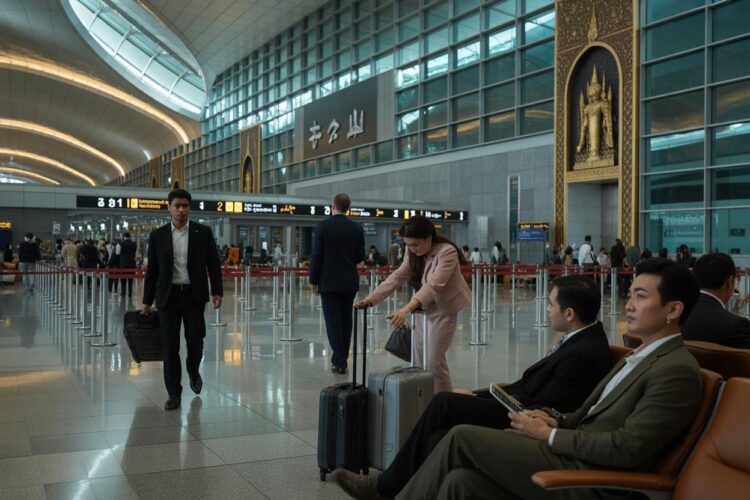
The article discusses the challenges faced by Thailand’s tourism industry due to the escalation of conflict in the Middle East. This conflict has disrupted global aviation networks, leading to a potential loss of up to 300,000 foreign tourist arrivals in March 2026. The primary factors contributing to this decline include airspace closures and increased airfares. In response to these challenges, Thailand’s tourism authorities are exploring new strategies, particularly focusing on short-haul markets, to mitigate the impact on tourism revenue.
Key Points:
Actionable Takeaways:
Diversify Tourism Markets: Thailand should prioritize short-haul markets to diversify its tourism revenue streams and reduce dependency on long-haul travel. This strategy is crucial as it directly addresses the potential loss of foreign tourist arrivals due to the Middle East conflict.
Invest in Short-Haul Infrastructure: Enhancing short-haul travel infrastructure can make Thailand more accessible and attractive to domestic and regional travelers. This investment aligns with the article’s emphasis on short-haul markets as a potential solution to the current tourism challenges.
Leverage Digital Marketing: Utilize digital marketing strategies to promote Thailand’s tourism offerings, especially to regions less affected by the Middle East conflict. This approach can help maintain and grow tourism numbers by reaching a broader audience.
Contextual Insights:
The article’s context is deeply rooted in the current geopolitical situation, specifically the conflict in the Middle East, which has had a direct impact on global travel patterns. This situation underscores the importance of adaptability and innovation within the travel industry. The focus on short-haul markets reflects a broader trend in the travel sector towards more accessible and cost-effective travel options. Furthermore, the article aligns with recent industry insights that emphasize the need for travel companies to be agile and responsive to external shocks, such as geopolitical conflicts. By leveraging digital marketing and diversifying tourism markets, Thailand can not only mitigate the immediate impact of the conflict but also position itself for long-term growth in the evolving travel landscape.
Read the Complete Article.
Boutique Travel VC raises investment cap from $1.5M to $10M to lead rounds and support portfolio companies through growth Travel...
Read moreDetails




