Comprehensive Summarization:
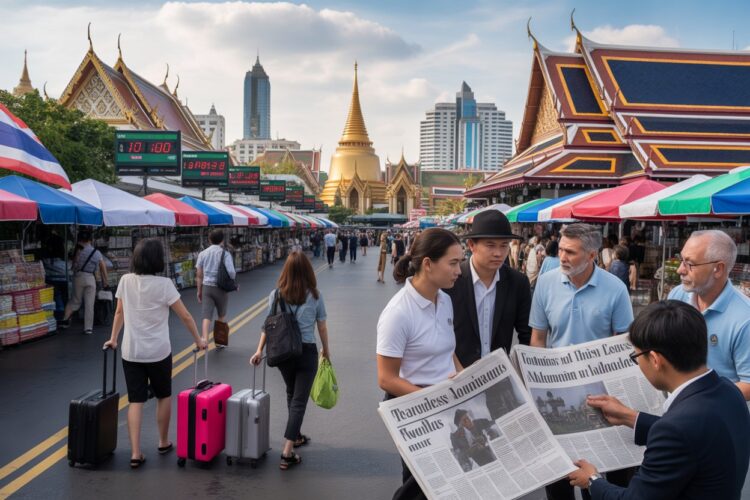
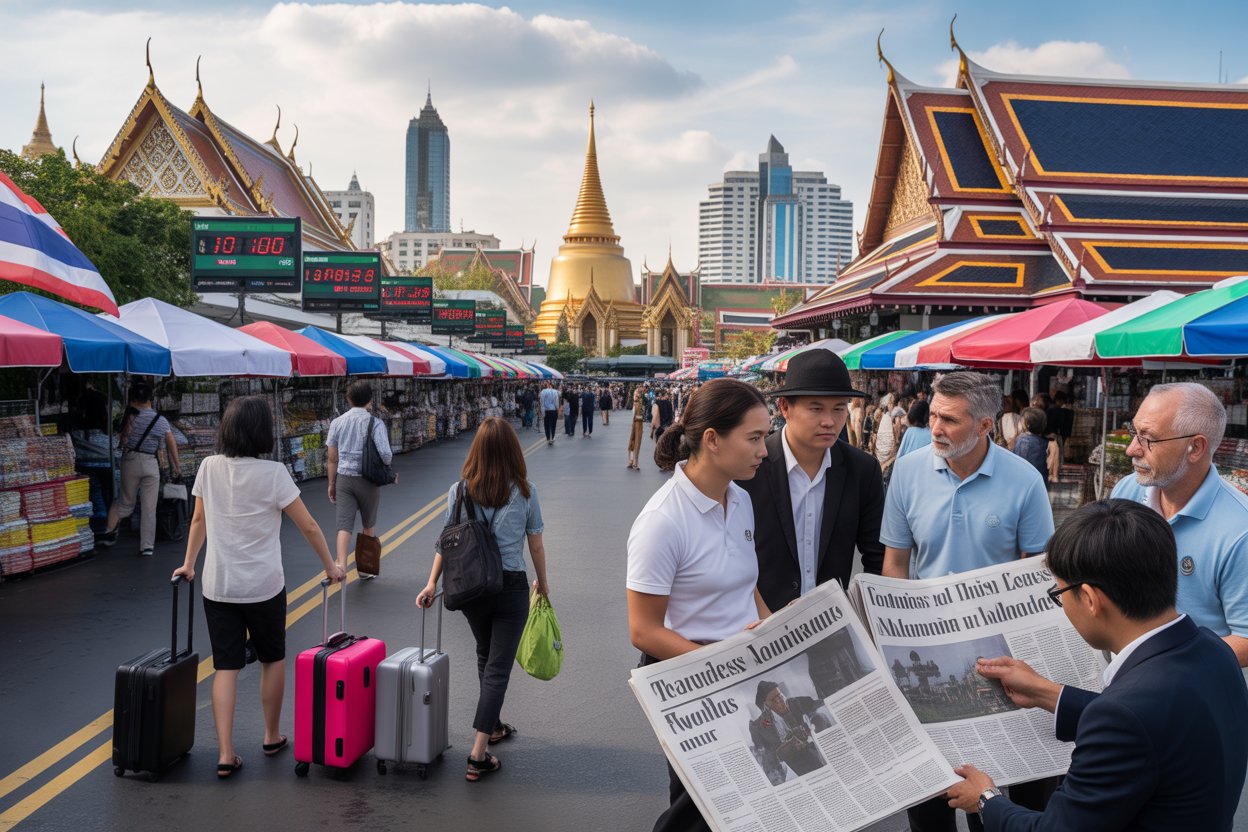
Thailand’s tourism sector has encountered significant setbacks despite reaching a milestone of welcoming seven million international visitors. The recovery, initially promising post-pandemic, has been impeded by ongoing geopolitical tensions in the Middle East. These conflicts have adversely affected tourist arrivals, posing challenges to Thailand’s tourism growth and broader economic implications. The article delves into the impact of these geopolitical issues on Thailand’s tourism numbers, future outlook, and the broader economic consequences for the country.
Key Points:
- Thailand’s tourism sector has welcomed seven million international visitors, marking a significant milestone in its recovery post-pandemic.
- Ongoing geopolitical instability in the Middle East is hampering the recovery of Thailand’s tourism industry.
- The article explores the impact of these tensions on tourist arrivals and the broader economic implications for Thailand.
- It discusses the future outlook for Thailand’s tourism sector amidst these challenges.
Actionable Takeaways:
-
Diversification of Tourism Markets: Given the geopolitical risks in the Middle East, Thailand should explore diversifying its tourism markets to reduce dependency on this region. This could involve marketing campaigns targeting different regions, such as Southeast Asia, Europe, or North America, to mitigate risks associated with geopolitical tensions.
-
Enhanced Security Measures: To reassure potential tourists, Thailand could invest in enhanced security measures at key tourist destinations. This includes improved airport security, increased presence of security personnel in popular tourist areas, and effective communication of safety protocols to travelers. Such measures can help alleviate concerns related to geopolitical instability and boost tourist confidence.
-
Leveraging Digital Marketing: In the wake of geopolitical challenges, Thailand can leverage digital marketing strategies to promote its tourism offerings. Utilizing social media platforms, influencer partnerships, and targeted online advertising can help reach a global audience, emphasizing Thailand’s unique attractions and safety measures. This approach can help maintain and grow tourist arrivals despite external challenges.
Contextual Insights:
The article highlights the resilience and challenges faced by Thailand’s tourism sector in the wake of geopolitical tensions in the Middle East. The recovery of the tourism industry, which initially showed promise post-pandemic, has been significantly impacted by these external factors. The focus on geopolitical stability underscores the importance of external factors in shaping travel trends and consumer behavior. As the travel industry continues to evolve, the ability to adapt to geopolitical risks and leverage digital marketing strategies will be crucial for sectors like tourism and fintech. The insights provided in the article align with current industry trends, emphasizing the need for strategic diversification, enhanced security measures, and innovative marketing approaches to navigate and mitigate the impacts of geopolitical instability on tourism.
Read the Complete Article.





![Park Chang-jin, head of the KAC Airport Service Planning Division, is expressing his feelings about taking office. [KAC Airport Service]](https://images.traveltrade.today/wp-content/uploads/2026/04/Park-Chang-jin-Exposes-Nut-Rage-Incident-at-Korean-Air.jpg)