





No products in the cart.
- Latest
- Trending

Malaysia, Russia, South Korea, India and China —Think Twice Before Booking Your Next Thailand Vacati...
Comprehensive Summarization:
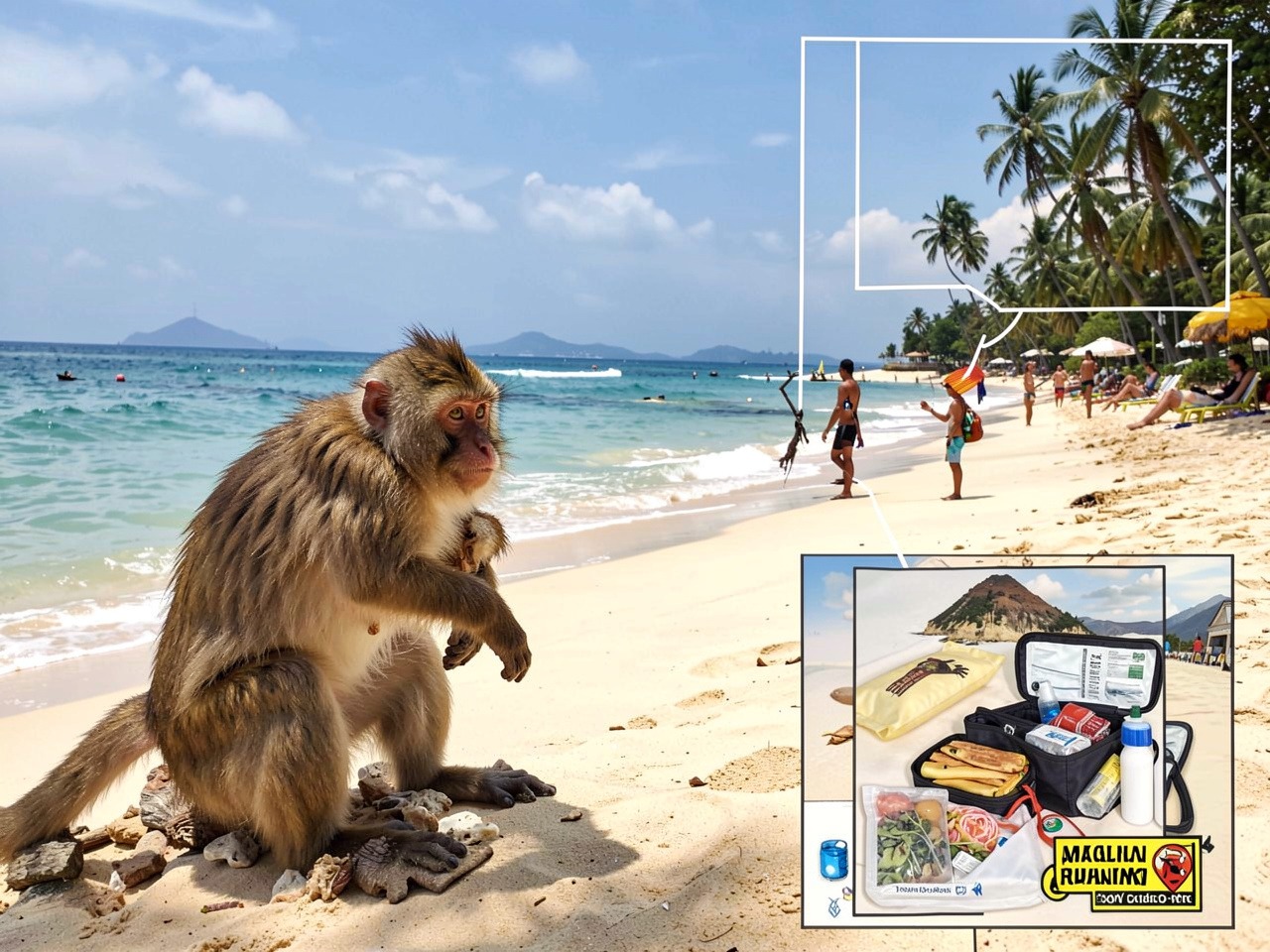
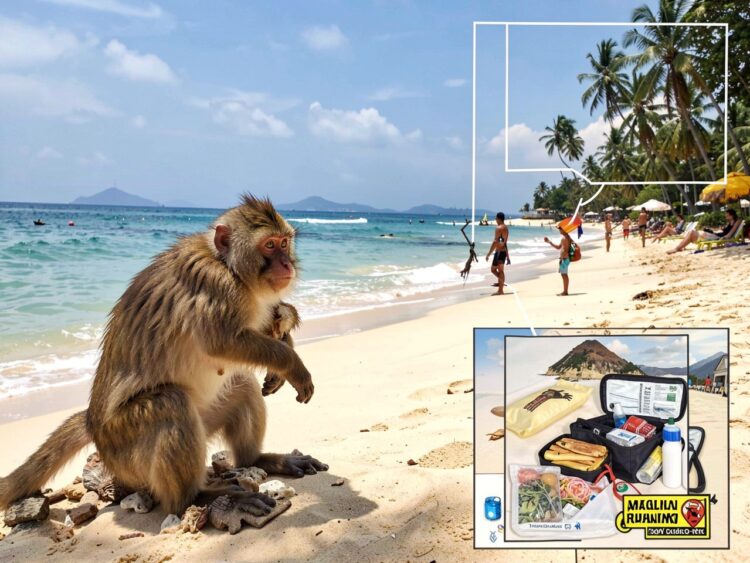
The article highlights a concerning trend in Thailand’s tourism industry, specifically the rise in monkey attacks involving macaque monkeys. This issue has raised serious safety concerns for tourists from key regions such as Malaysia, Russia, South Korea, India, and China, who are frequent visitors to Thailand’s popular destinations like Phuket and the Phi Phi Islands. The article emphasizes the need for travelers to “Think Twice Before Booking Your Next Thailand Vacation” due to this alarming increase in wildlife interactions. Despite Thailand’s longstanding appeal as a favorite getaway for its sunny beaches, rich cultural experiences, and exotic wildlife, the surge in monkey attacks necessitates a reevaluation of travel plans and safety precautions for international tourists.
Key Points:
Actionable Takeaways:
Contextual Insights:
The surge in monkey attacks reflects broader challenges faced by the travel industry in balancing tourism growth with wildlife conservation and safety. This issue is particularly relevant in regions where human-wildlife interactions are frequent, such as popular beaches and nature trails. The article underscores the importance of integrating safety considerations into travel planning, a trend increasingly recognized by travel thought leaders. As the industry evolves, there is a growing emphasis on sustainable tourism practices that prioritize both visitor safety and animal welfare. This context suggests that the article’s insights are not only timely but also indicative of a broader industry shift towards more responsible travel practices.
Handling Different Article Types:
The article falls under the category of a news blurb, providing factual information about a recent trend affecting the travel industry. The structured output format ensures that the summary, key points, and actionable takeaways are clearly delineated, making the content easily digestible for a professional audience. This approach is consistent with how news blurbs are typically presented, offering a concise yet comprehensive overview of the article’s content.
Read the Complete Article.
Get curated travel AI insights — choose the newsletters that matter to you.
This spot is reserved for brands with a compelling story for the travel trade. They use this space to cut...
Read moreDetailsALTOUR Expands into Thailand, Strengthening Corporate Travel Network Across Southeast Asia BANGKOK, THAILAND (25 March, 2026) – ALTOUR, a leading...
Read moreDetails


Comprehensive Summarization: The article discusses the launch of a pilot project by SITA and IDsure, aimed at replacing paper-based crew...
Read moreDetails