








No products in the cart.
- Latest
- Trending

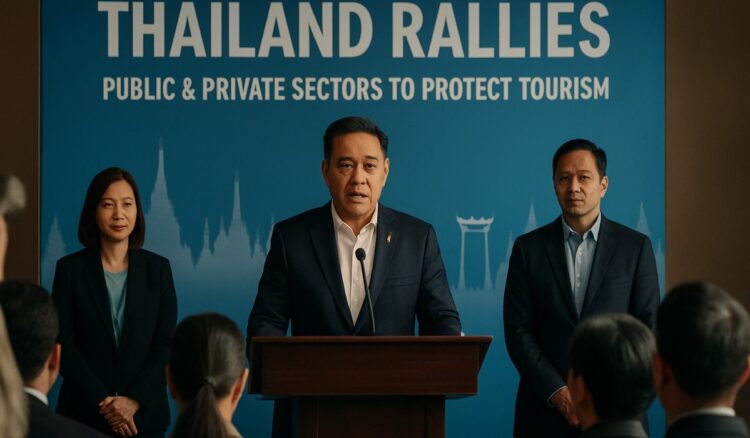
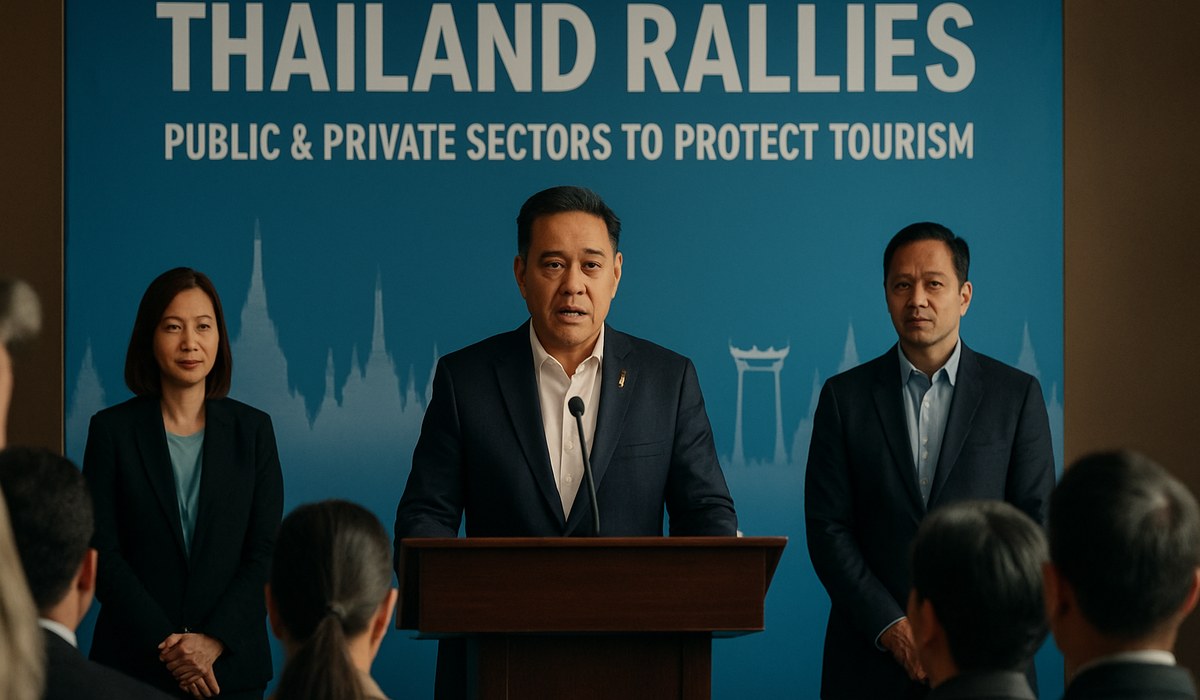
Thailand Rallies Public, Private Sectors to Protect Tourism in 2026
Comprehensive Summarization:
Thailand is proactively safeguarding its tourism-dependent economy from global geopolitical pressures by establishing a comprehensive Tourism Defense Plan. The Tourism Authority of Thailand (TAT) is collaborating closely with airlines, hotel chains, and major travel platforms to develop joint contingency plans. These initiatives are designed to maintain visitor numbers and traveler confidence throughout 2026 and beyond. The focus is on public awareness campaigns and sector-wide strategies to protect one of Thailand’s largest revenue sources amidst global instability.
Key Points:
Actionable Takeaways:
Collaborative Planning: Airlines, hotel chains, and travel platforms should collaborate on contingency plans to ensure a unified response to geopolitical pressures. This collaboration can help maintain visitor numbers and traveler confidence, safeguarding Thailand’s tourism-dependent economy.
Public Awareness Campaigns: Investing in public awareness campaigns can enhance traveler confidence in Thailand’s tourism sector. By educating potential visitors about safety measures and the resilience of the tourism industry, Thailand can mitigate the impact of global instability on tourism.
Sector-Wide Strategies: Implementing sector-wide strategies can help protect Thailand’s tourism industry from external threats. These strategies should focus on maintaining visitor numbers and ensuring the long-term sustainability of the tourism sector.
Contextual Insights:
The article highlights Thailand’s proactive approach to safeguarding its tourism-dependent economy amidst global geopolitical pressures. This strategy is particularly relevant in the current context of global instability, where tourism sectors worldwide are facing significant challenges. The emphasis on public awareness campaigns and sector-wide strategies aligns with current industry trends, emphasizing the importance of resilience and adaptability in the face of external threats. Furthermore, the collaboration between public agencies and private travel operators reflects a broader trend of public-private partnerships in managing industry risks. As the travel industry continues to navigate uncertainties, such collaborative and proactive measures will be crucial in maintaining visitor confidence and ensuring the long-term sustainability of tourism-dependent economies.
Read the Complete Article.
Get curated travel AI insights — choose the newsletters that matter to you.
This spot is reserved for brands with a compelling story for the travel trade. They use this space to cut...
Read moreDetailsALTOUR Expands into Thailand, Strengthening Corporate Travel Network Across Southeast Asia BANGKOK, THAILAND (25 March, 2026) – ALTOUR, a leading...
Read moreDetails


Comprehensive Summarization: Thailand is proactively safeguarding its tourism-dependent economy from global geopolitical pressures by establishing a comprehensive Tourism Defense Plan....
Read moreDetails