




















Travel Capitalist Ventures Expands Check Size to $10 Million to Deepen Emerging Market Conviction
Boutique Travel VC raises investment cap from $1.5M to $10M to lead rounds and support portfolio companies through growth Travel...
Read moreDetails
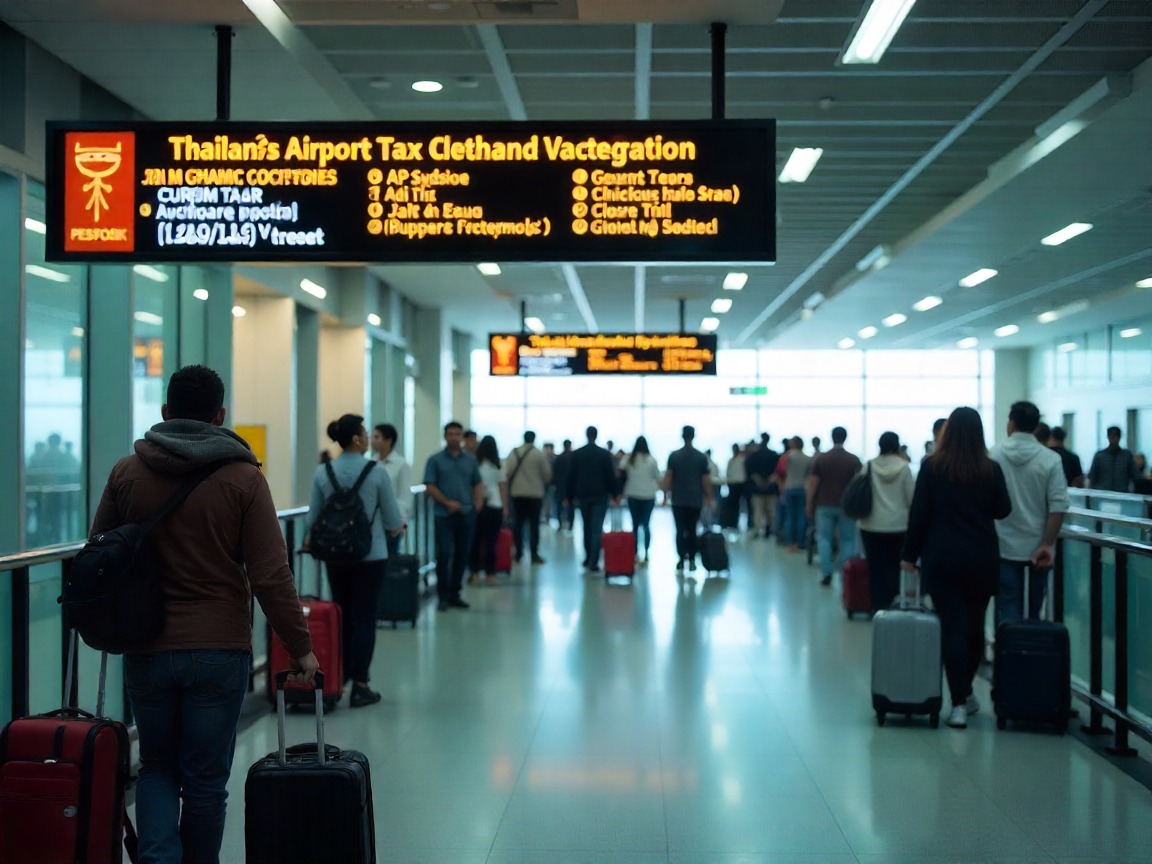
Thailand’s 53% Airport Tax Hike for 2026: Here’s How It Will Affect Your Next Flight with Thai Airwa...
Article Summary:
Thailand has announced a 53% increase in the Airport Tax (Passenger Service Charge, PSC) for international passengers departing from six major Thai airports, including Bangkok’s Suvarnabhumi Airport and Don Mueang International Airport. The new PSC will be 1,120 baht, up from the current 730 baht. This change will add approximately 390 baht (US$12–15) to the cost of flights with Thai Airways and Singapore Airlines, potentially impacting travelers’ vacation plans and travel budgets.
Key Points:
Actionable Takeaways:
Contextual Insights:
The announcement of the 53% increase in the Airport Tax reflects Thailand’s strategy to generate additional revenue, potentially aimed at funding infrastructure improvements, enhancing airport facilities, or supporting the tourism sector. This move aligns with broader trends in the travel industry where governments are exploring various revenue streams to sustain and develop their tourism economies. The impact on travelers highlights the delicate balance between generating revenue and maintaining affordability, a challenge faced by many countries in the tourism sector. For travel startups and fintech companies, this development presents an opportunity to innovate in areas such as travel budgeting apps, cost-saving travel packages, or alternative payment solutions that can help mitigate the financial impact on travelers.
Read the Complete Article.
Boutique Travel VC raises investment cap from $1.5M to $10M to lead rounds and support portfolio companies through growth Travel...
Read moreDetails




