Comprehensive Summarization:
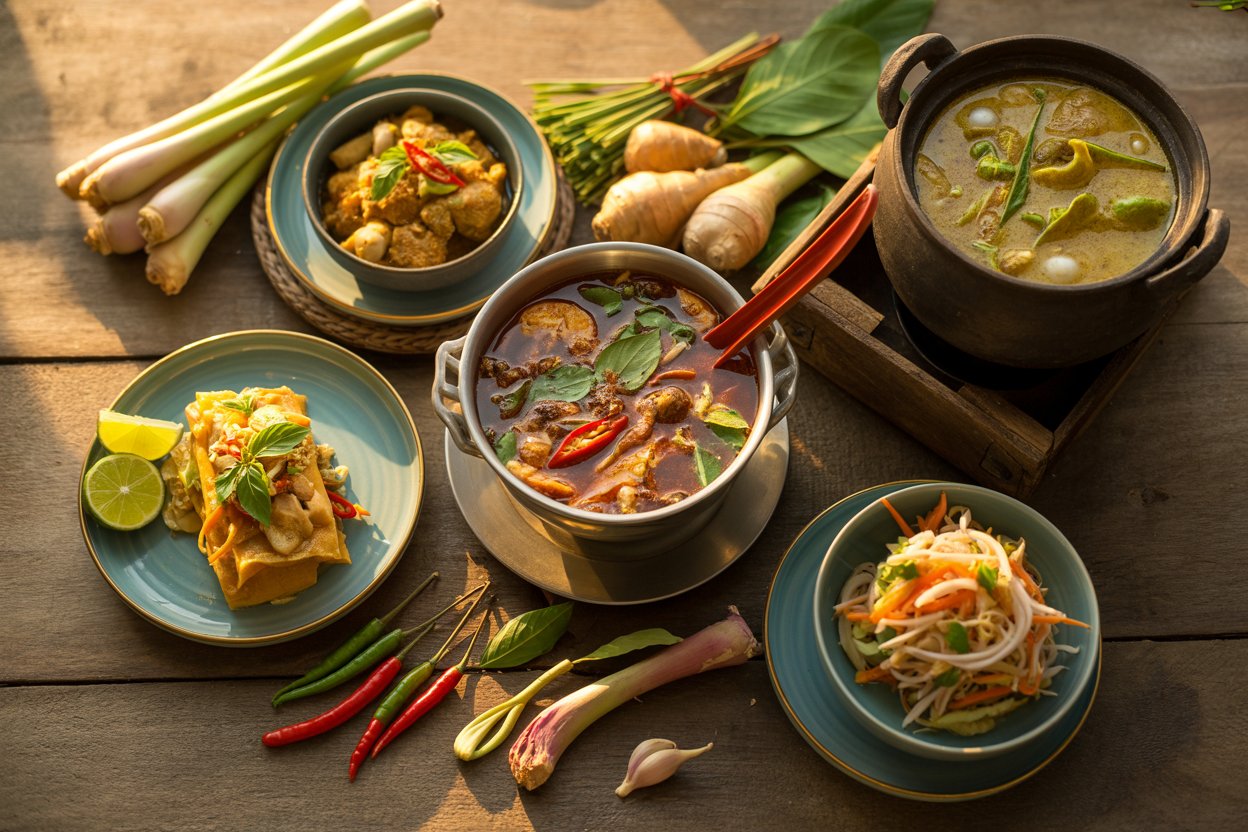
The article “Discover Thailand Through Taste: A Complete Guide to Asia’s Hottest Foodie Travel Destination in 2026” highlights the growing trend of culinary experiences as a key motivation for travel to Thailand in 2026. This shift signifies a transformation in Thailand’s tourism landscape, moving from traditional sightseeing to immersive experiences that connect travelers with the country’s culture through its diverse and rich food offerings. The article emphasizes that one in five Thai tourists now plan trips specifically for food, indicating a significant evolution in the country’s tourism strategy. Thailand’s culinary scene, ranging from bustling street markets to refined dining experiences, is now a central attraction for global travelers, positioning the country as a leading foodie destination in Asia.
Key Points:
-
Culinary Experiences as Key Motivation: The article notes that culinary experiences are now a primary reason for travel to Thailand in 2026, with a significant portion of tourists planning trips specifically for food.
-
Shift in Tourism Focus: There is a clear shift in Thailand’s tourism focus from traditional sightseeing to immersive culinary experiences that connect travelers with the country’s culture.
-
Rich Culinary Tapestry: Thailand offers a diverse range of flavors, from bustling street markets to refined dining experiences, catering to a wide array of culinary preferences.
-
Global Appeal: The article underscores Thailand’s growing appeal to global travelers, positioning it as a leading foodie destination in Asia.
Actionable Takeaways:
-
Embrace Culinary Tourism: Travel businesses and destinations should prioritize culinary experiences as a key selling point to attract food enthusiasts. This could involve developing themed culinary tours, collaborating with local chefs, and enhancing street food experiences to cater to the growing demand for immersive food experiences.
-
Leverage Digital Platforms: Utilize digital platforms to showcase Thailand’s culinary diversity, from street food to fine dining. This could include virtual tours, food blogs, and social media campaigns that highlight unique culinary experiences, thereby attracting a global audience of food lovers.
-
Invest in Culinary Education: There is an opportunity for travel companies and culinary schools to collaborate on educational programs that teach travelers about Thailand’s rich culinary heritage. This could include workshops, cooking classes, and cultural immersion programs that provide a deeper understanding of Thai cuisine and its cultural significance.
Contextual Insights:
The article reflects the evolving nature of the travel industry, where experiences are becoming increasingly personalized and immersive. The shift towards culinary tourism aligns with broader trends in the travel sector, such as the demand for authentic and culturally rich experiences. This trend is supported by thought leaders who emphasize the importance of connecting travelers with local cultures through food. As Thailand continues to position itself as a leading foodie destination, it is crucial for the industry to adapt and innovate, leveraging technology and digital platforms to enhance the culinary tourism experience. This forward-looking perspective ensures that Thailand remains at the forefront of the global culinary tourism scene, attracting travelers who seek unique and memorable experiences.
Read the Complete Article.