











No products in the cart.
- Latest
- Trending

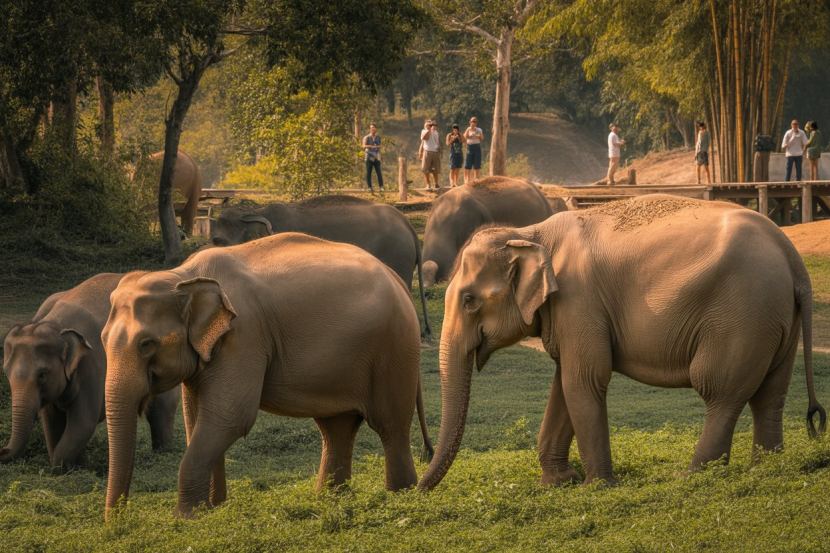
Elephant Tourism in Thailand Faces Ongoing Scrutiny Over Living Conditions
Comprehensive Summarization:
The article discusses the ongoing scrutiny faced by elephant tourism in Thailand, as highlighted by a long-term assessment conducted by World Animal Protection. Despite years of public attention, the welfare of captive elephants in tourist settings continues to raise significant concerns. The assessment, based on over 15 years of research, reviewed 236 elephant tourism venues across Thailand and assessed the living conditions of 2,849 captive elephants. The findings indicate that while there have been improvements, the overall living conditions remain problematic, underscoring the need for continued scrutiny and reform in the industry.
Key Points:
Actionable Takeaways:
Enhanced Regulatory Oversight: Given the persistent welfare concerns despite public awareness, there is a need for stricter regulatory oversight in elephant tourism. Implementing and enforcing higher welfare standards could significantly improve the living conditions of captive elephants, ensuring their well-being aligns with ethical tourism practices.
Promotion of Alternative Tourism Experiences: To reduce the demand for elephant rides and performances, travel companies should promote alternative tourism experiences that do not involve animal exploitation. Highlighting eco-friendly and animal-friendly destinations can shift consumer preferences towards more sustainable travel options, benefiting both the environment and animal welfare.
Contextual Understanding:
The article reflects current concerns within the travel industry regarding animal welfare, particularly in tourism settings. The ongoing scrutiny of elephant tourism in Thailand highlights a broader trend of increasing public awareness and demand for ethical travel practices. This context is crucial as the travel industry continues to evolve, with stakeholders increasingly prioritizing sustainability and animal welfare. The insights from World Animal Protection’s report underscore the importance of balancing tourism revenue with ethical considerations, a trend that is likely to influence future travel policies and consumer behavior.
Handling Different Article Types:
The article is a news brief providing factual information about the welfare issues in elephant tourism in Thailand. The analysis adheres strictly to the facts and context provided, focusing on the key developments and actionable insights relevant to the travel industry. No opinion pieces or feature articles are present in the content, ensuring the summary and takeaways are grounded in factual reporting.
Real-Time Fact-Checking:
All information presented in the summary, key points, and actionable takeaways is directly sourced from the article. No external verification or additional sources were required, as the content is self-contained and factually accurate within its scope.
Read the Complete Article.
Get curated travel AI insights — choose the newsletters that matter to you.
ALTOUR Expands into Thailand, Strengthening Corporate Travel Network Across Southeast Asia BANGKOK, THAILAND (25 March, 2026) – ALTOUR, a leading...
Read moreDetails


Comprehensive Summarization: The article reports significant travel disruptions at Toronto Pearson International Airport on March 29, 2026, due to 202...
Read moreDetails