





















Travel Capitalist Ventures Expands Check Size to $10 Million to Deepen Emerging Market Conviction
Boutique Travel VC raises investment cap from $1.5M to $10M to lead rounds and support portfolio companies through growth Travel...
Read moreDetails
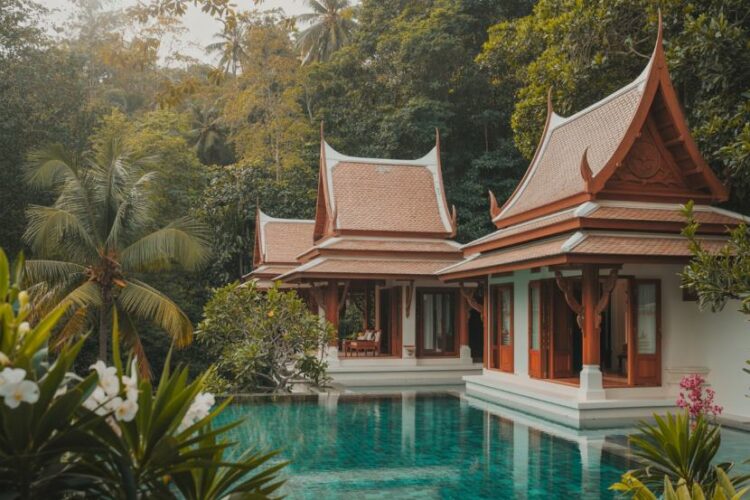
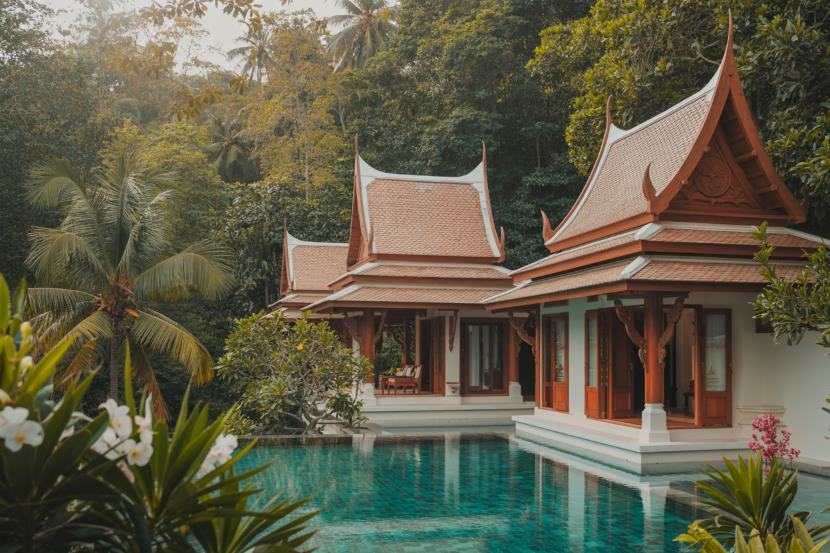
Thailand’s New Luxury: Healing, Wellness, and Gastronomy Set to Revolutionize 2026 Travel—Discover W...
Comprehensive Summarization:
In 2026, Thailand is pioneering a new era in luxury travel by integrating wellness, gastronomy, and cultural experiences into a cohesive package, as highlighted by the “Healing is the New Luxury” campaign. This initiative is attracting high-value tourists who seek more than traditional sightseeing, transforming Bangkok, Chiang Mai, and Phuket into sanctuaries for holistic rejuvenation. The country is positioning itself as a premier destination for travelers looking for a blend of relaxation, culinary exploration, and cultural immersion, marking a significant shift in the travel industry’s focus towards holistic wellness experiences.
Key Points:
Actionable Takeaways:
Invest in Wellness Tourism Infrastructure: Travel companies and destinations should invest in wellness tourism infrastructure to cater to the growing demand for holistic rejuvenation experiences. This includes developing luxury wellness resorts, spa retreats, and culinary experiences that combine local cuisine with wellness practices.
Leverage Culinary Tourism: Highlighting Thailand’s gastronomic offerings as part of the luxury travel experience can be a significant differentiator. Collaborations with renowned chefs and culinary schools can enhance the appeal of destinations like Bangkok, Chiang Mai, and Phuket.
Emphasize Cultural Immersion: Incorporating cultural experiences into the luxury travel package can enhance the overall appeal of destinations. This could involve organizing cultural tours, traditional Thai cooking classes, and workshops on Thai wellness practices.
Contextual Insights:
The article reflects a broader trend in the travel industry towards holistic wellness experiences, where destinations are not just about leisure and relaxation but also about personal well-being and cultural enrichment. This shift is driven by a growing consumer demand for experiences that offer more than just physical relaxation but also mental and spiritual rejuvenation. The “Healing is the New Luxury” campaign by Thailand aligns with this trend, positioning the country as a leader in offering comprehensive wellness packages that cater to the high-end traveler seeking a holistic retreat.
Moreover, the integration of culinary experiences into luxury travel underscores the importance of food and culture in shaping travel destinations. As the travel industry continues to evolve, destinations that can offer unique culinary experiences are likely to stand out, attracting food enthusiasts and luxury travelers alike. This contextual understanding highlights the potential for Thailand to not only attract tourists but also to set new standards in luxury travel by focusing on wellness, gastronomy, and cultural immersion.
Read the Complete Article.
Boutique Travel VC raises investment cap from $1.5M to $10M to lead rounds and support portfolio companies through growth Travel...
Read moreDetails




