





















Travel Capitalist Ventures Expands Check Size to $10 Million to Deepen Emerging Market Conviction
Boutique Travel VC raises investment cap from $1.5M to $10M to lead rounds and support portfolio companies through growth Travel...
Read moreDetails
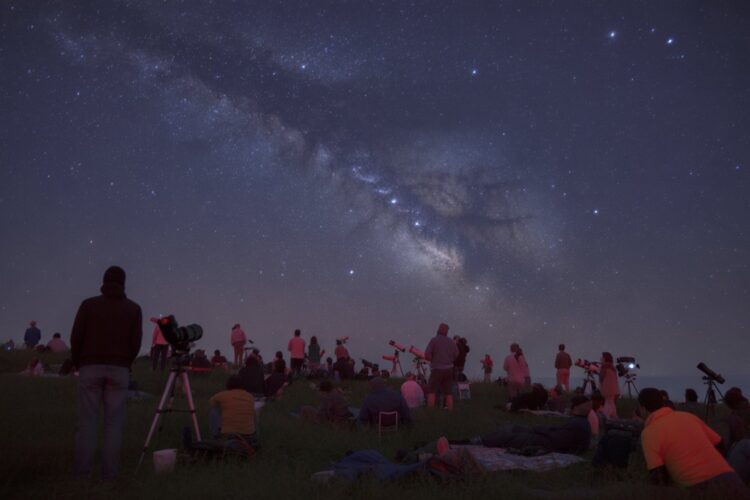
Thailand Prepares for Rare Venus-Saturn Conjunction: A Must-See Event for Tourists, Everything You N...
Comprehensive Summarization:
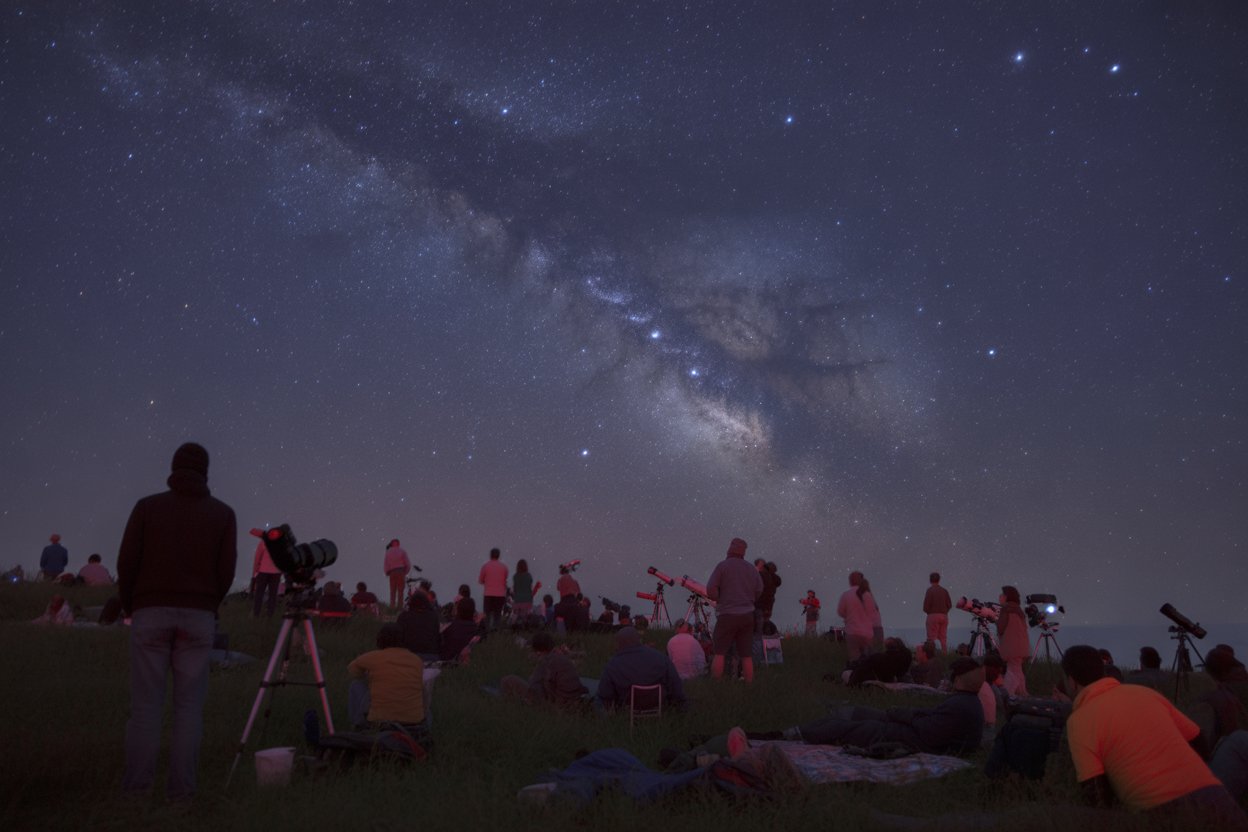
On March 8, 2026, Thailand’s stargazing enthusiasts are set to witness a rare celestial event where Venus and Saturn align in a conjunction, appearing just 1° apart in the night sky. This event offers a unique opportunity for tourists, space enthusiasts, and locals to observe two of the most prominent planets in the sky. Beyond its astronomical significance, the conjunction holds implications for travel and tourism, reflecting Thailand’s growing interest in space-based experiences. The article underscores the intersection of astronomy and tourism, highlighting how such events can attract visitors and stimulate interest in space-related activities.
Key Points:
Actionable Takeaways:
Tourism Opportunities: The rare Venus-Saturn conjunction in Thailand presents a unique tourism opportunity. Travel agencies and tour operators could develop special packages or events around this astronomical phenomenon, attracting space enthusiasts and tourists interested in unique experiences. This could boost local tourism and highlight Thailand’s appeal as a destination for both natural beauty and celestial events.
Promotion of Space Tourism: The event underscores the potential for Thailand to position itself as a hub for space tourism. By capitalizing on this rare celestial event, the country could promote its appeal to space enthusiasts, potentially leading to increased interest in space-related travel experiences. This could spur innovation in space tourism services and infrastructure.
Educational Outreach: The conjunction offers an opportunity for educational institutions and tourism boards to collaborate on outreach programs. By incorporating the event into school curricula or public programs, they can foster interest in astronomy and space science among younger generations. This could lead to long-term benefits for the travel industry by cultivating a new audience interested in space-related experiences.
Contextual Insights:
The article reflects a growing trend in the travel industry where unique, experiential events are becoming key drivers of tourism. The Venus-Saturn conjunction is not just a celestial spectacle but a catalyst for promoting Thailand as a destination for both natural and astronomical tourism. This aligns with current industry trends where experiential travel and unique events are sought after by a diverse range of travelers. Furthermore, the event highlights the potential for travel and tourism sectors to integrate technological advancements, such as real-time stargazing apps or virtual reality experiences, to enhance visitor engagement and provide additional value. As space tourism gains traction, Thailand’s proactive approach to leveraging such celestial events could position it as a leader in this emerging niche, attracting a niche but growing segment of space enthusiasts and tourists.
Read the Complete Article.
Boutique Travel VC raises investment cap from $1.5M to $10M to lead rounds and support portfolio companies through growth Travel...
Read moreDetails




