


















Travel Capitalist Ventures Expands Check Size to $10 Million to Deepen Emerging Market Conviction
Boutique Travel VC raises investment cap from $1.5M to $10M to lead rounds and support portfolio companies through growth Travel...
Read moreDetails

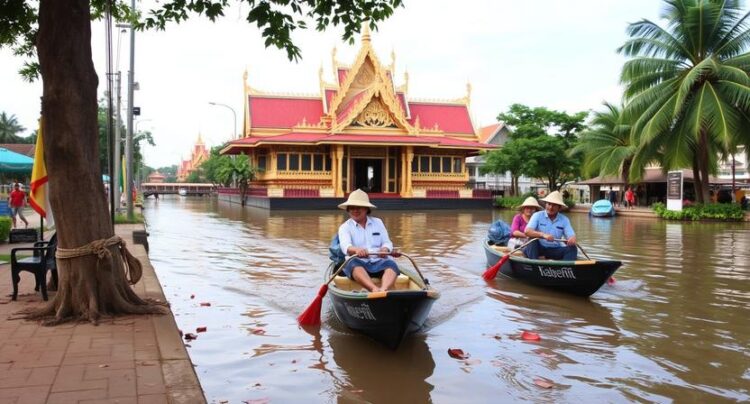
Thailand Boosts Southern Tourism Growth with TAT’s Smile@Hatyai Campaign and TCEB’s Three-Phase MICE...
Article Summary:
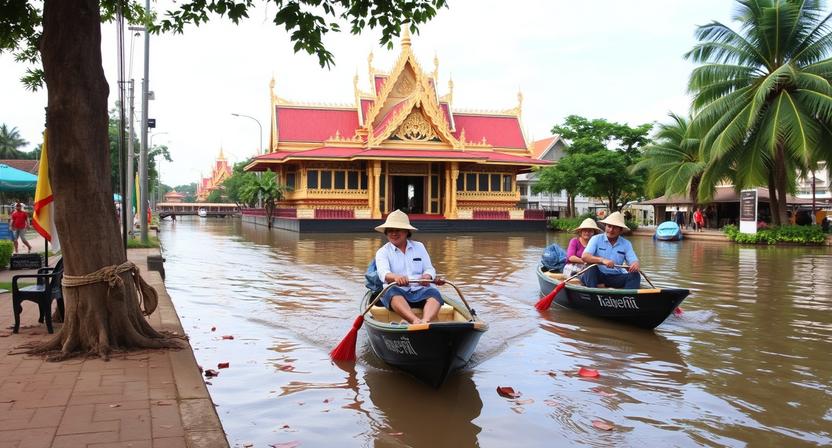
The Tourism Authority of Thailand (TAT) and the Thailand Convention and Exhibition Bureau (TCEB) have launched a comprehensive recovery plan for Southern Thailand’s tourism industry, following severe floods and an economic downturn in 2025. The “Smile@Hatyai” campaign, spearheaded by TAT, aims to rejuvenate Hat Yai and other strategic destinations in the region. This initiative, coupled with TCEB’s three-phase MICE (Meetings, Incentives, Conventions, and Exhibitions) industry recovery plan, is designed to address the post-flood challenges and stimulate tourism growth. The article highlights the importance of strategic destination revitalization, economic recovery, and the role of tourism in regional development.
Key Points:
Recovery Initiatives: TAT and TCEB have collaborated to implement the “Smile@Hatyai” campaign and a three-phase MICE industry recovery plan to revive Southern Thailand’s tourism market post-2025 floods.
Economic Impact: The floods and subsequent economic slump severely affected Southern Thailand’s tourism sector, necessitating a robust recovery strategy to restore economic stability and growth.
Strategic Destinations: Hat Yai and other key destinations in Southern Thailand are prioritized in the recovery plan, aiming to leverage their potential as key tourism hubs.
Economic Prospects: Beyond flood recovery, the plan considers better economic prospects to support the tourism sector’s resurgence.
Actionable Takeaways:
Strategic Destination Revitalization: Invest in marketing and promotional campaigns like “Smile@Hatyai” to attract tourists to strategically important destinations in Southern Thailand. This approach can help quickly restore tourist inflows and stimulate local economies.
Phased Recovery Planning: Adopt a multi-phase recovery strategy, as outlined by TCEB, to address immediate flood recovery needs while planning for long-term growth. This structured approach ensures sustained progress and resilience in the tourism sector.
Economic Diversification: Explore diversification of economic activities in the tourism sector to mitigate risks associated with natural disasters and economic fluctuations. This could involve promoting alternative revenue streams such as eco-tourism, cultural tourism, or digital tourism services.
Contextual Insights:
The article reflects the current challenges faced by the tourism industry in Southern Thailand, particularly in the wake of catastrophic floods and economic downturns. The emphasis on strategic destination revitalization and phased recovery planning aligns with broader industry trends focusing on resilience and adaptability. The “Smile@Hatyai” campaign exemplifies a proactive approach to tourism marketing, leveraging digital and social media platforms to engage potential travelers. Furthermore, the integration of economic recovery measures within the tourism strategy underscores the interconnected nature of economic and tourism sectors, highlighting the need for holistic recovery plans. As the travel industry continues to evolve, such forward-looking strategies will be crucial in navigating future uncertainties and fostering sustainable growth.
Read the Complete Article.
Boutique Travel VC raises investment cap from $1.5M to $10M to lead rounds and support portfolio companies through growth Travel...
Read moreDetails




