No products in the cart.
- Latest
- Trending


Thailand’s Songkran Aviation Push Reshapes Regional Travel
Comprehensive Summarization:
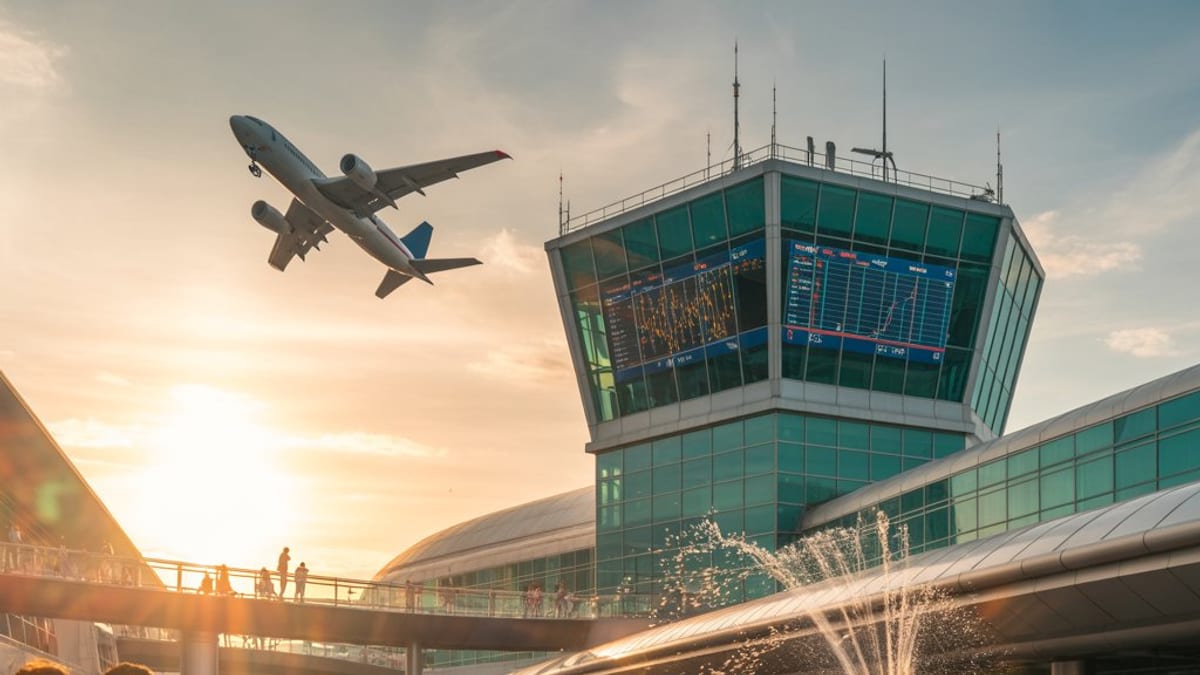
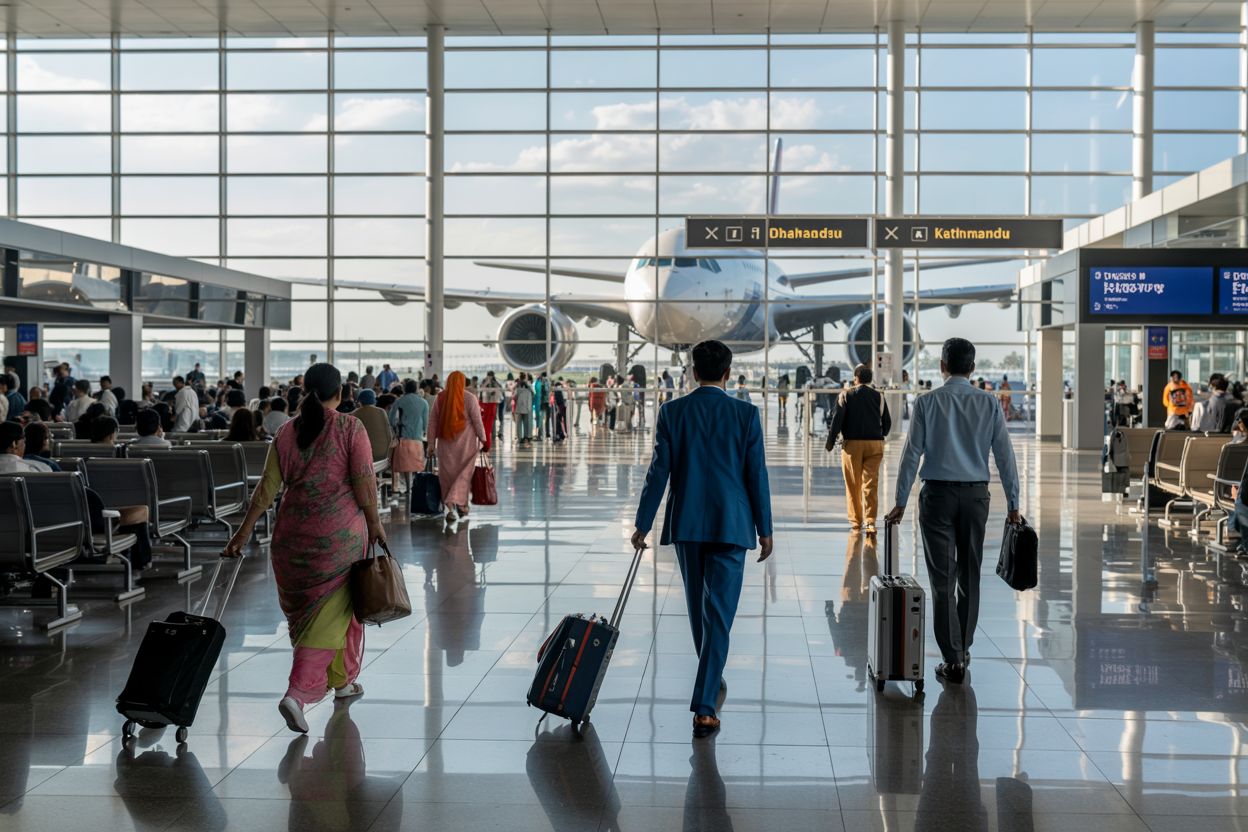
The article discusses Thailand’s strategic use of the Songkran New Year festival as a platform to test and enhance aviation and tourism policies. By leveraging extra flight capacity, airport upgrades, and festival-linked incentives, Thailand aims to solidify its position as a key travel hub in Southeast Asia. The Songkran period has become a proving ground for the country’s aviation ambitions, with authorities collaborating closely with airports and airlines to manage the significant holiday surges. This approach not only addresses immediate travel demands but also positions Thailand to capitalize on the high season’s increased capacity and tourist influx.
Key Points:
Actionable Takeaways:
Enhanced Airport Infrastructure: Thailand should continue investing in airport upgrades and capacity expansions to handle the increased tourist traffic during peak festivals like Songkran. This investment will ensure smooth travel experiences and maintain Thailand’s competitive edge as a travel destination.
Strategic Festival Leveraging: Leveraging major festivals like Songkran for policy testing and infrastructure enhancement can provide long-term benefits. By aligning travel policies with high-traffic events, Thailand can optimize its tourism sector and attract more visitors, thereby boosting the economy.
Collaborative Approach with Airlines: Strengthening partnerships between the government, airports, and airlines is crucial for managing holiday surges effectively. This collaborative approach ensures that all stakeholders are aligned in their efforts to enhance the travel experience and manage capacity efficiently.
Contextual Insights:
The article highlights Thailand’s proactive approach to managing tourism during peak periods, such as the Songkran festival. This strategy is reflective of broader industry trends where destinations are increasingly using major events to drive tourism growth and infrastructure development. The emphasis on high-season capacity planning aligns with the growing trend of using festivals and peak travel times to optimize travel infrastructure and services. Furthermore, the article underscores the importance of collaboration among various stakeholders, a trend that is becoming increasingly prevalent in the travel industry. As travel destinations seek to balance tourism growth with infrastructure management, such collaborative efforts will likely become a standard practice, ensuring sustainable and efficient tourism development.
Read the Complete Article.
Get curated travel AI insights — choose the newsletters that matter to you.
ALTOUR Expands into Thailand, Strengthening Corporate Travel Network Across Southeast Asia BANGKOK, THAILAND (25 March, 2026) – ALTOUR, a leading...
Read moreDetails

Comprehensive Summarization: The article discusses Thailand's strategic use of the Songkran New Year festival as a platform to test and...
Read moreDetails