









No products in the cart.
- Latest
- Trending

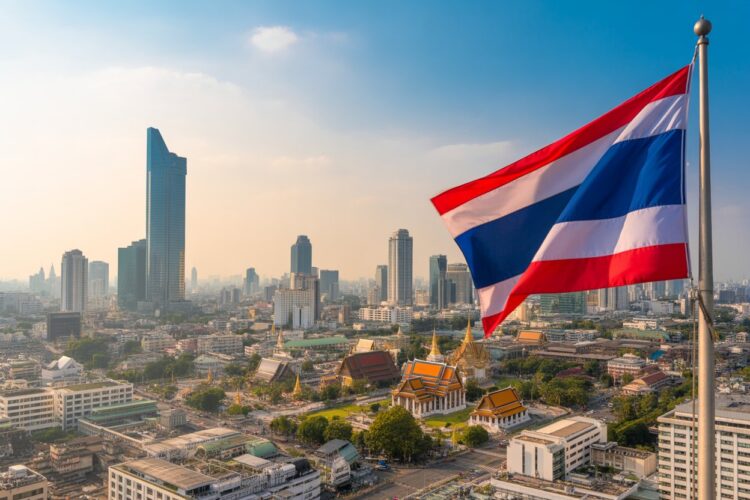
Thailand’s Tourism Boom Masks Hidden Struggles as Long-Stay Visitors Lose Confidence Threatening Pat...
Comprehensive Summarization:
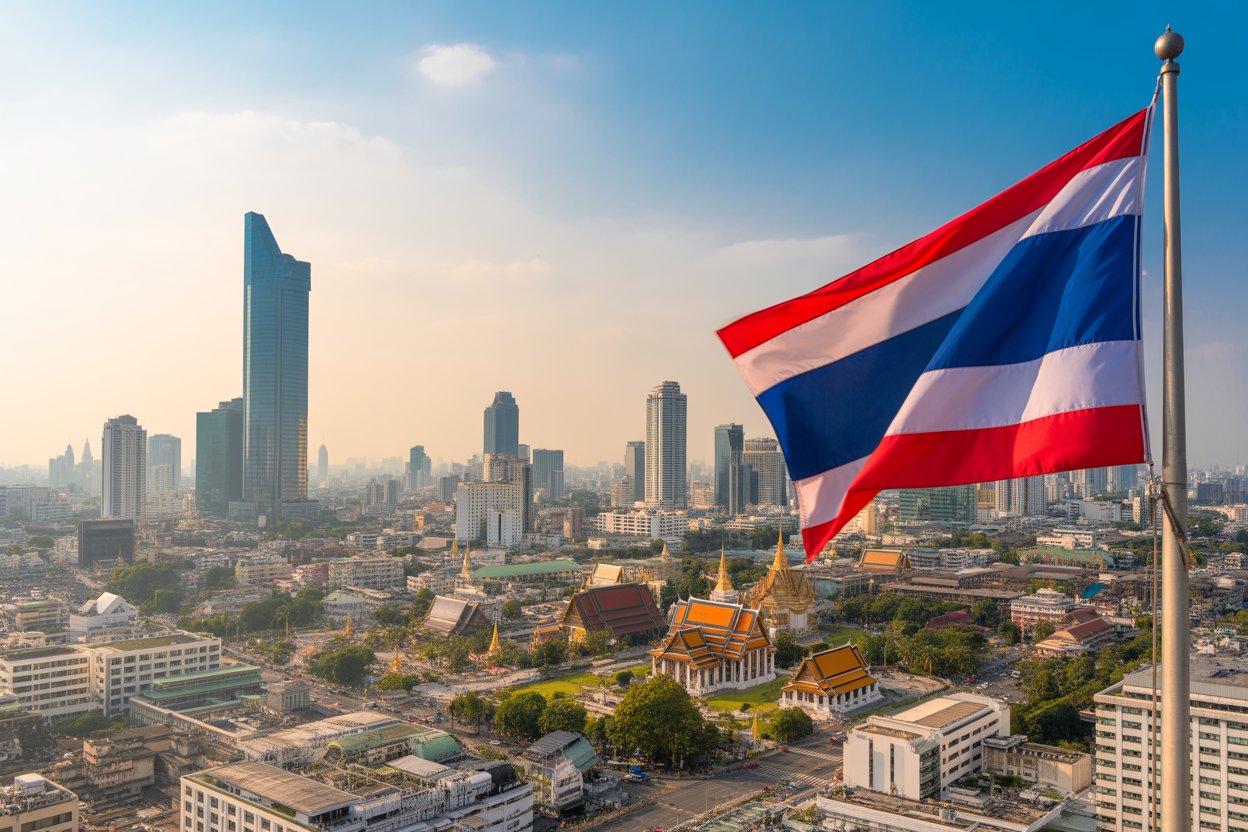
The article discusses the paradoxical situation in Thailand’s tourism industry where official statistics show a significant increase in tourist arrivals, yet confidence among long-stay visitors remains low, potentially threatening the economy of popular destinations like Pattaya. Long-term visitors, who contribute to the rental market and support small businesses, are not fully convinced that the recovery is solid. This discrepancy between arrival numbers and real confidence poses a challenge to the overall stability of Thailand’s tourism sector and could impact the travel experience for both locals and international tourists.
Key Points:
Actionable Takeaways:
Diversify Marketing Strategies: Tourism authorities and businesses should develop targeted marketing campaigns that emphasize the long-term benefits and stability of visiting Thailand, focusing on the resilience and growth of the tourism sector. This could help rebuild confidence among long-stay visitors and ensure sustained economic benefits.
Enhance Visitor Experience Programs: Implement programs and initiatives aimed at improving the experience for long-stay visitors. This could include better support services, community engagement activities, and incentives for extended stays, thereby fostering a more positive perception of Thailand as a long-term travel destination.
Monitor and Address Visitor Concerns: Establish channels for collecting feedback from long-stay visitors to identify and address their concerns promptly. This could involve regular surveys, feedback forms, and direct engagement with visitors to understand their needs and expectations better.
Contextual Insights:
The article reflects the current state of Thailand’s tourism industry, where official statistics on tourist arrivals do not fully capture the nuanced reality experienced by long-stay visitors. This situation is indicative of a broader trend in the travel industry, where appearances can be misleading, and underlying consumer sentiment plays a crucial role in determining the long-term health of tourism destinations. The emphasis on rebuilding confidence among long-term visitors aligns with emerging trends in the industry, such as the growing importance of visitor experience and the need for sustainable tourism practices. By addressing the concerns of long-stay visitors, Thailand can not only stabilize its economy but also enhance the overall travel experience, setting a precedent for other destinations facing similar challenges.
Read the Complete Article.
Get curated travel AI insights — choose the newsletters that matter to you.
This spot is reserved for brands with a compelling story for the travel trade. They use this space to cut...
Read moreDetailsALTOUR Expands into Thailand, Strengthening Corporate Travel Network Across Southeast Asia BANGKOK, THAILAND (25 March, 2026) – ALTOUR, a leading...
Read moreDetails


Comprehensive Summarization: Thailand has announced a new air arrival fee for international tourists as part of a major overhaul aimed...
Read moreDetails