






No products in the cart.
- Latest
- Trending


Marriott Bonvoy travel insights - Travel And Tour World
Article Summary:
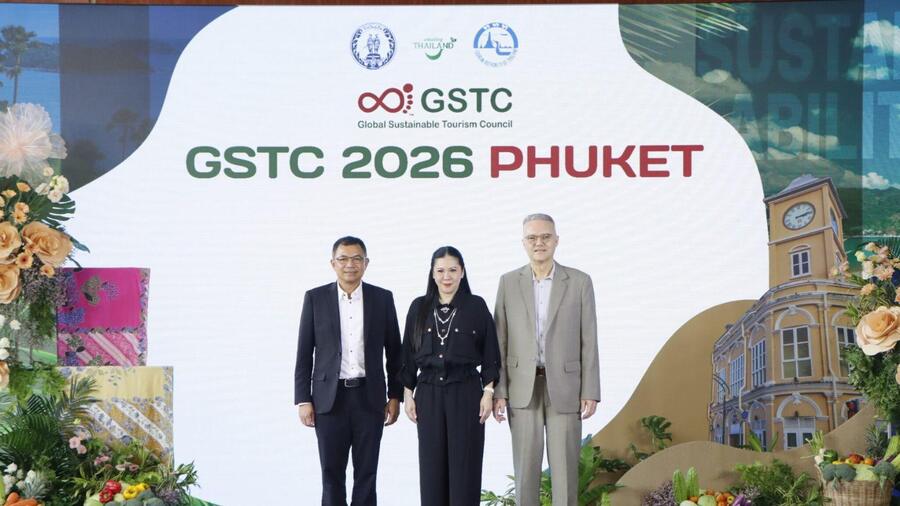
The article discusses the upcoming increase in travel fees for international visitors to Thailand, set to begin in February 2026. This decision is part of the Thai government’s strategy to fund sustainable tourism initiatives, including eco-tourism projects, environmental conservation, and infrastructure upgrades aimed at enhancing the tourist experience while preserving Thailand’s natural beauty and cultural heritage. The article highlights the balance between economic growth and environmental sustainability in the travel industry.
Key Points:
Actionable Takeaways:
Investment in Eco-Tourism: Travel companies and startups should explore opportunities in eco-tourism, aligning with the Thai government’s focus on sustainable tourism. This could involve developing eco-friendly travel packages, promoting conservation efforts, and investing in renewable energy sources for tourist infrastructure. This aligns with the article’s emphasis on sustainable tourism initiatives and presents a lucrative opportunity for businesses to contribute to environmental preservation while capitalizing on growing eco-conscious travel trends.
Focus on Environmental Conservation: Businesses in the travel sector should prioritize environmental conservation efforts. This could include implementing eco-friendly practices in operations, such as reducing plastic use, supporting local conservation projects, and educating tourists about the importance of preserving natural environments. The article underscores the Thai government’s commitment to environmental conservation, making it a strategic area for travel businesses to invest in for long-term sustainability and positive brand impact.
Infrastructure Upgrades: There is an opportunity for travel companies to invest in infrastructure upgrades that enhance the tourist experience while being environmentally friendly. This could involve developing sustainable transportation options, improving waste management systems, and creating eco-friendly accommodations. The article highlights the need for infrastructure improvements as part of the sustainable tourism strategy, making it a key area for innovation and investment in the travel industry.
Contextual Insights:
The article reflects the evolving landscape of the global tourism industry, where economic growth and environmental sustainability are increasingly intertwined. The Thai government’s decision to increase travel fees to fund eco-tourism and conservation efforts aligns with a broader trend of integrating sustainability into travel policies worldwide. This move is likely to influence other countries to consider similar strategies, emphasizing the importance of balancing tourism development with environmental stewardship. For the travel industry, this context suggests a growing demand for sustainable travel options, presenting both challenges and opportunities for businesses to innovate and lead in this space. Thought leaders in the travel sector are likely to advocate for policies that support sustainable tourism, making it a critical area for future industry developments.
Read the Complete Article.
Get curated travel AI insights — choose the newsletters that matter to you.
ALTOUR Expands into Thailand, Strengthening Corporate Travel Network Across Southeast Asia BANGKOK, THAILAND (25 March, 2026) – ALTOUR, a leading...
Read moreDetails


Vilnius to Host LCC Summit 2026: Key Meeting for Low-Cost Carriers and Innovators
Read moreDetails