






















Travel Capitalist Ventures Expands Check Size to $10 Million to Deepen Emerging Market Conviction
Boutique Travel VC raises investment cap from $1.5M to $10M to lead rounds and support portfolio companies through growth Travel...
Read moreDetails

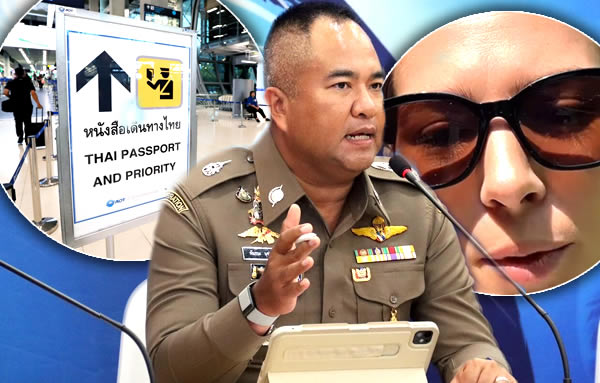
The Immigration Bureau detailed more arrests in a crackdown on foreigners linked to illegality. Meanwhile, tourist ‘kaotickaya,’ denied entry at Don Mueang for funding issues, entered Thailand on December 9. Industry urges clear rules to stop confusion. (Source: Khaosod)
Article Summary:
Thailand’s foreign tourism sector is experiencing a crisis as arrivals have fallen by 9.8%, primarily due to confusion over entry rules, arbitrary refusals, and stricter screening measures. This has sparked anxiety among industry leaders who are demanding clear guidance to protect visitors, maintain visitor confidence, and safeguard the kingdom’s crucial revenue generator. The situation was exacerbated by a recent case where a young woman was initially refused entry at Don Mueang Airport but later allowed entry at Suvarnabhumi Airport after flying from Vietnam. This incident highlights the inconsistencies in the current screening and entry processes, raising concerns about the future of Thailand’s tourism industry amid a protracted war.
Key Points:
Actionable Takeaways:
Implement Clear and Consistent Entry Rules: The government should establish clear, consistent, and easily understandable entry rules to alleviate confusion and prevent arbitrary refusals. This clarity is crucial for protecting visitors, maintaining their confidence, and ensuring the stability of Thailand’s tourism industry.
Enhance Communication with Visitors: Improve communication strategies to inform potential visitors about the entry process, including any changes or updates. Transparent communication can help manage expectations and reduce anxiety among travelers.
Invest in Technology for Streamlined Screening: Adopt advanced screening technologies and processes to ensure efficient and fair processing of travelers. This could include automated systems, AI-driven decision-making tools, or enhanced training for border control personnel to reduce inconsistencies and improve the overall visitor experience.
Contextual Insights:
The current crisis in Thailand’s foreign tourism sector is a stark reminder of the vulnerabilities that can arise from inconsistent policies and procedures. The recent case of the woman being initially refused entry but later allowed highlights the need for a more streamlined and transparent entry process. This situation is further complicated by the backdrop of a protracted war, which adds geopolitical tensions to the mix.
In light of these challenges, there is a pressing need for the industry to innovate and adapt. The adoption of cutting-edge travel tech solutions, such as AI-driven screening systems and enhanced communication platforms, can play a pivotal role in mitigating these issues. Furthermore, fostering a culture of transparency and clear communication with potential visitors can help rebuild confidence in Thailand’s tourism offerings.
Looking ahead, the travel industry, particularly startups and fintech innovators, must capitalize on these challenges as opportunities for growth. By leveraging technology and data-driven insights, industry stakeholders can develop more resilient and adaptable tourism strategies that not only address current crises but also position Thailand for sustained growth in the face of future uncertainties.
Read the Complete Article.
Boutique Travel VC raises investment cap from $1.5M to $10M to lead rounds and support portfolio companies through growth Travel...
Read moreDetails




