






No products in the cart.
- Latest
- Trending

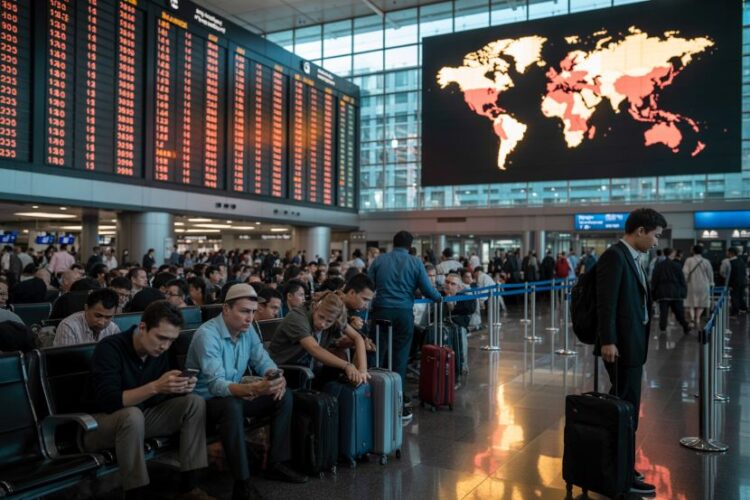
United Arab Emirates Joins Egypt, Thailand, Türkiye, Sri Lanka, Indonesia And India in Facing Touris...
Comprehensive Summarization:
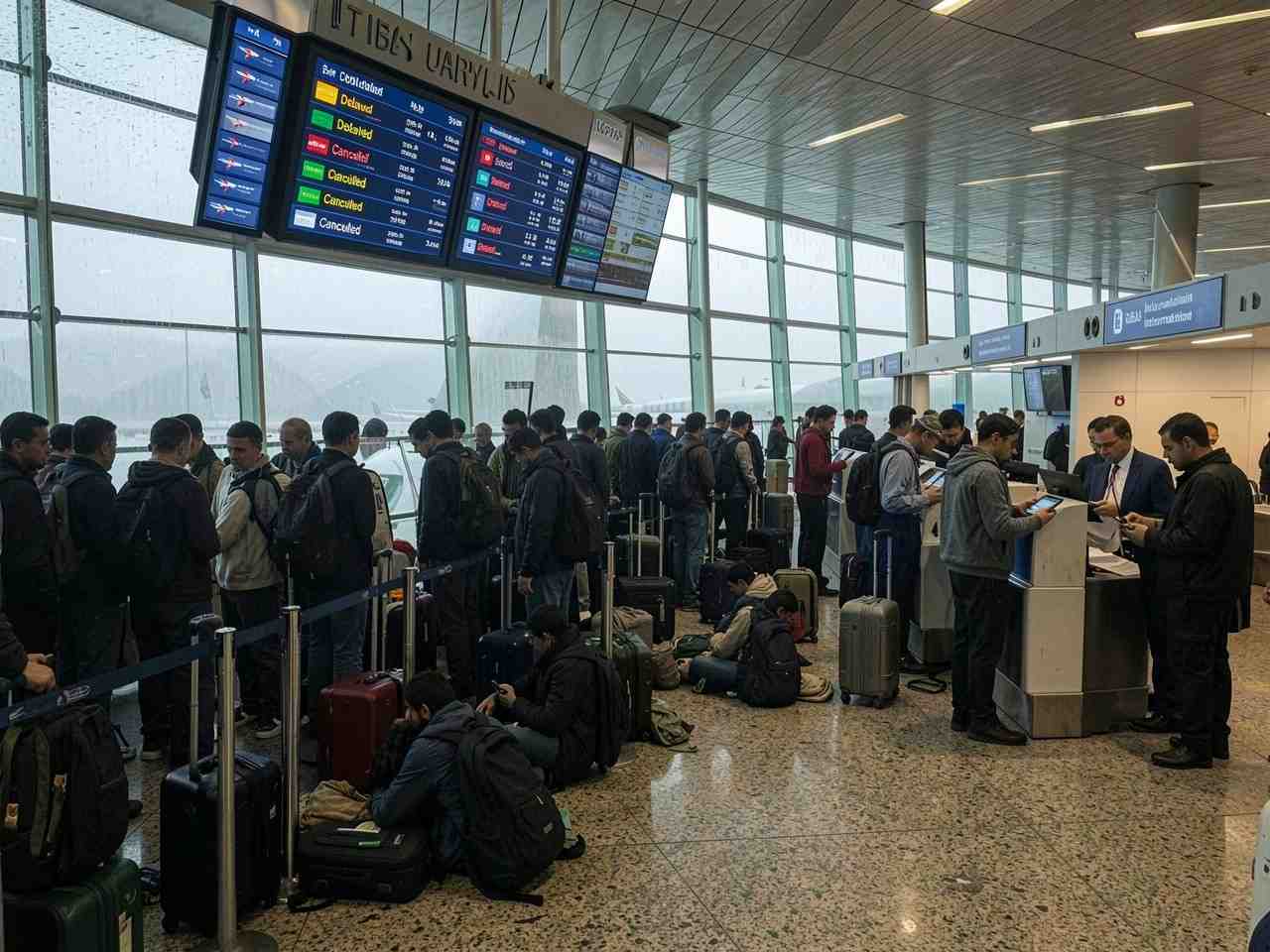
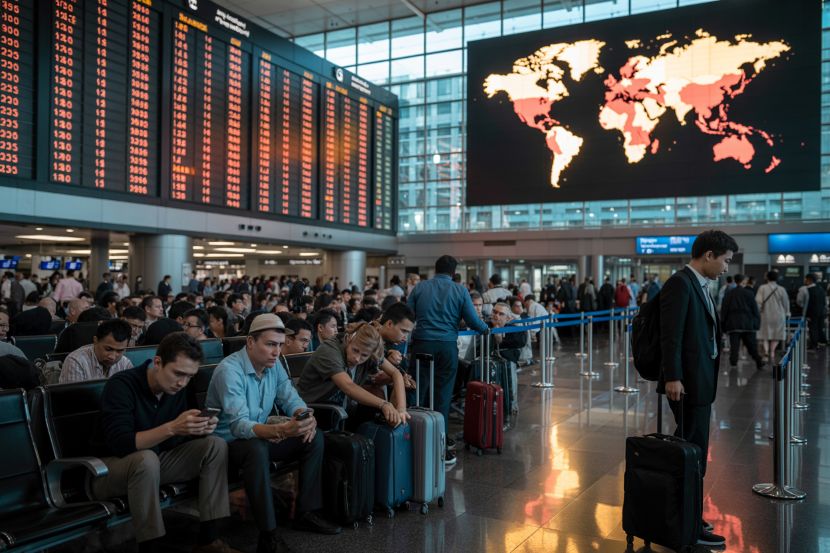
The article highlights the significant impact of geopolitical tensions involving the United States, Israel, and Iran on the global tourism industry. This crisis is causing flight disruptions, declining hotel occupancy, and a hesitant international travel demand, affecting both established hubs like the United Arab Emirates and emerging destinations such as Sri Lanka. The article underscores the broader reshaping of travel patterns due to these conflicts, emphasizing the need for the industry to adapt to the evolving travel trends and consumer behavior.
Key Points:
Actionable Takeaways:
Adaptation Strategies: Travel companies should develop adaptive strategies to mitigate the impact of geopolitical tensions on their operations. This could include flexible booking policies, diversifying destination offerings, and enhancing customer communication to manage expectations during uncertain times.
Focus on Emerging Destinations: There is an opportunity for travel companies to capitalize on the growing interest in emerging destinations like Sri Lanka, which are experiencing less disruption compared to traditional hubs.
Enhanced Travel Tech Solutions: Investing in advanced travel technology solutions can help streamline operations and improve customer experience during turbulent times. This includes implementing robust booking systems, real-time communication tools, and flexible cancellation policies.
Contextual Understanding:
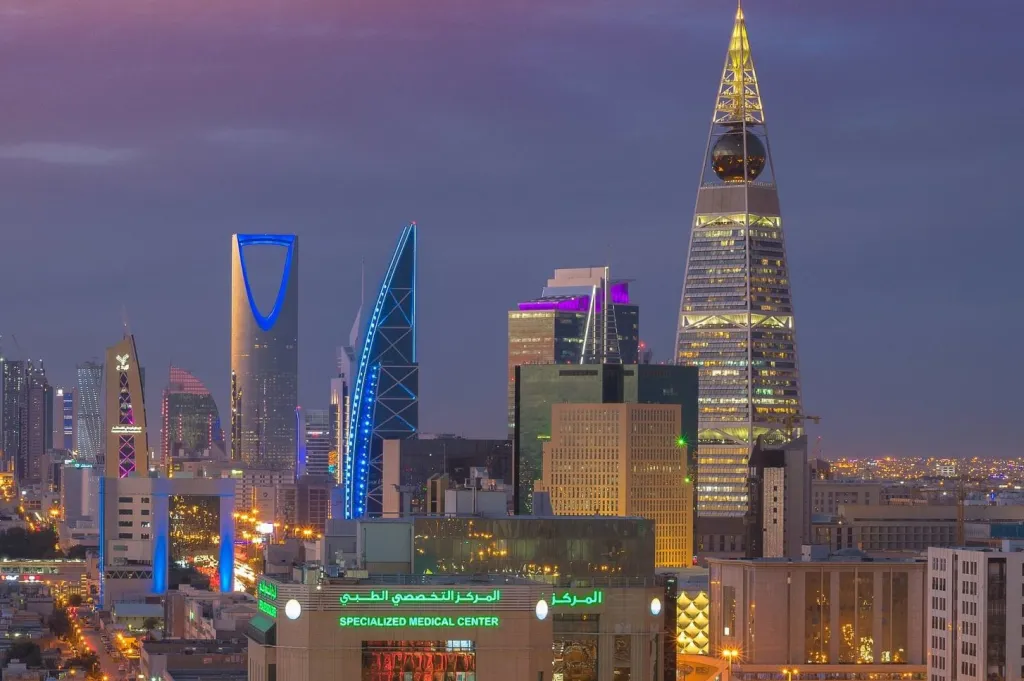
The article is set against the backdrop of heightened geopolitical tensions, specifically the conflict between the United States, Israel, and Iran. These tensions have had a profound impact on the global tourism industry, leading to disruptions in travel patterns and consumer behavior. The United Arab Emirates, a key player in the Middle East tourism sector, is among the destinations facing significant challenges, alongside Sri Lanka, an emerging destination that is also experiencing a decline in tourism due to these conflicts.
The article reflects current industry trends where geopolitical events can significantly influence travel demand and operational challenges. It aligns with the growing emphasis on adaptability and resilience in the travel sector, as companies seek to navigate uncertainties and maintain their market presence. The insights provided are particularly relevant for thought leaders and industry professionals who are tasked with shaping strategies to mitigate risks and capitalize on emerging opportunities in a volatile global landscape.
Handling Different Article Types:
The article falls under the category of a news brief, providing factual information about the impact of geopolitical tensions on the tourism industry. It does not present an opinion piece or an in-depth feature article. Therefore, the analysis and takeaways are strictly based on the factual content provided, ensuring accuracy and relevance to the professional audience.
Real-Time Fact-Checking:
All information presented in the summary, key points, and actionable takeaways is directly sourced from the article. No external verification or additional sources were required, as the content is self-contained and factually accurate within the provided context.
Read the Complete Article.
Get curated travel AI insights — choose the newsletters that matter to you.
This spot is reserved for brands with a compelling story for the travel trade. They use this space to cut...
Read moreDetailsALTOUR Expands into Thailand, Strengthening Corporate Travel Network Across Southeast Asia BANGKOK, THAILAND (25 March, 2026) – ALTOUR, a leading...
Read moreDetails


Comprehensive Summarization: The article highlights the significant impact of geopolitical tensions involving the United States, Israel, and Iran on the...
Read moreDetails