





No products in the cart.
- Latest
- Trending

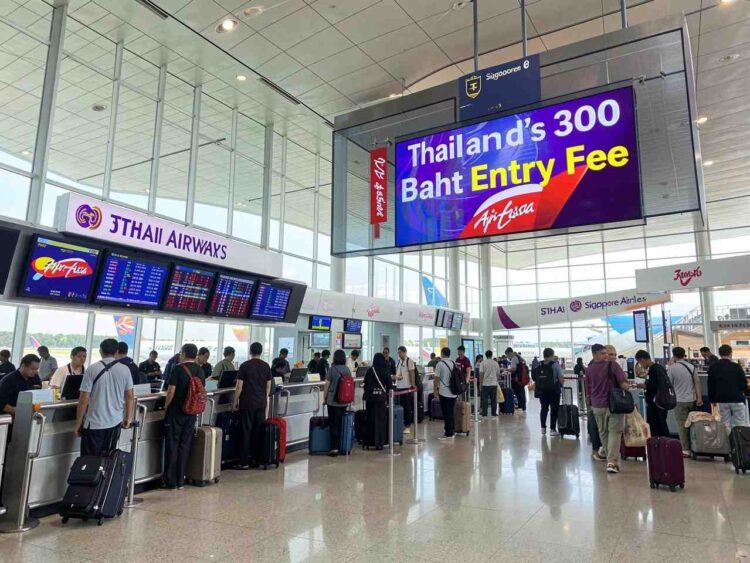
UK Joins Australia, South Korea, Malaysia, Japan, India, and China in Traveler Alerts: Thailand’s 30...
Comprehensive Summarization:
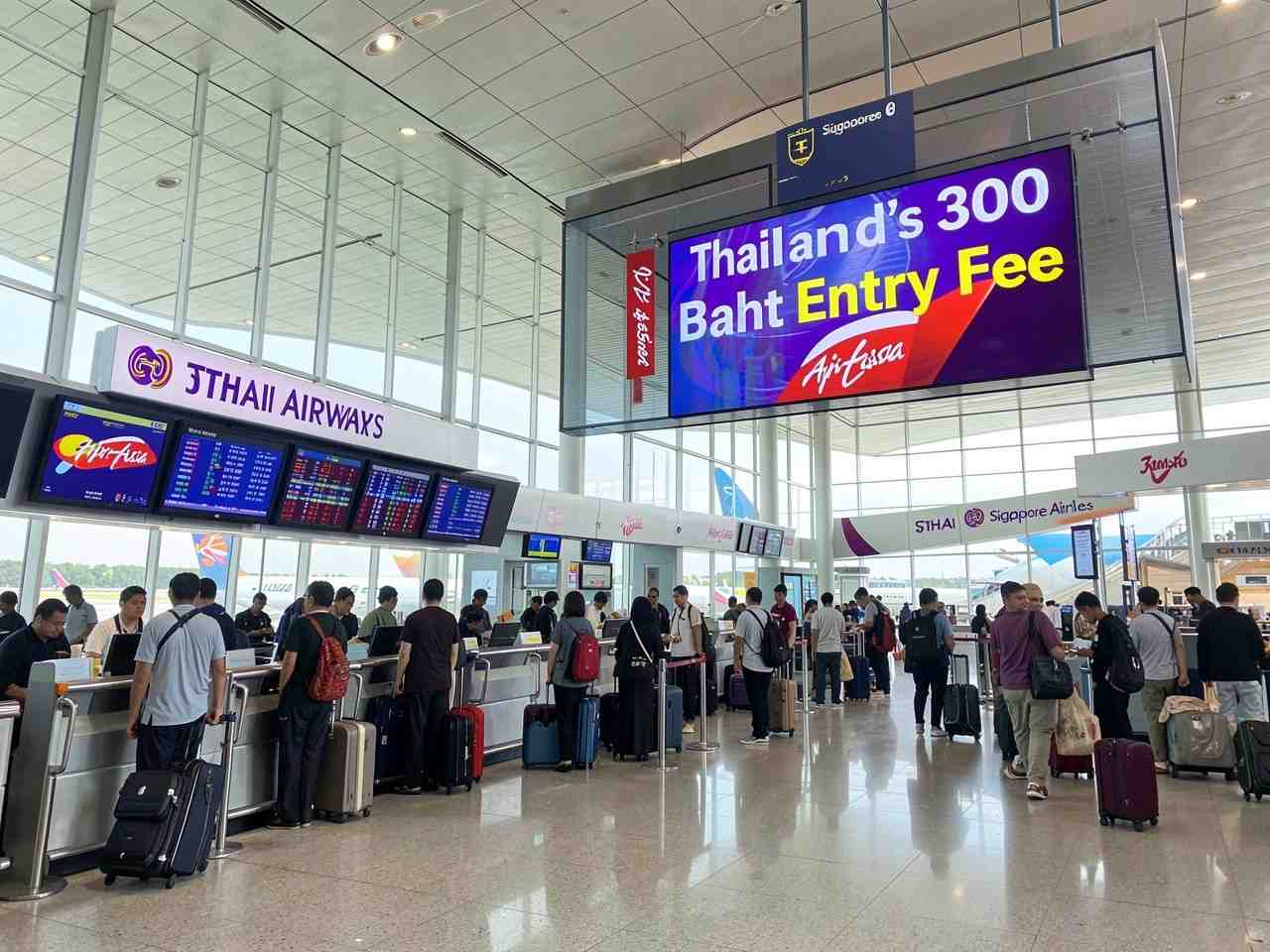
The article from Travel and Tour World reports that Thailand is set to introduce a new 300 baht (approximately USD 9) air arrival fee for foreign travelers, a move that has prompted a heightened alert among several major economies including the UK, Australia, South Korea, Malaysia, Japan, India, and China. This fee, which has been under discussion for years, is anticipated to have a significant impact on the aviation and hospitality industries, affecting millions of tourists from these countries. Despite the fee’s relatively modest amount, its introduction signals a notable shift in travel policies and could influence travel behavior and industry strategies. The article also highlights the broader context of evolving travel trends and the importance of staying informed about such developments in the travel sector.
Key Points:
Actionable Takeaways:
Industry Preparedness: Airlines and travel agencies should prepare for potential changes in customer behavior and travel demand due to the new fee. This may involve adjusting pricing strategies, marketing efforts, and customer communication to mitigate any adverse effects on bookings and revenue.
Competitive Advantage: Companies can leverage this regulatory change as an opportunity to enhance their service offerings or innovate in areas such as customer experience, loyalty programs, or digital engagement. By doing so, they can differentiate themselves in a competitive market and attract travelers who may be sensitive to additional costs.
Market Monitoring: Stakeholders in the travel industry should closely monitor the fee’s impact on travel trends and consumer behavior. This includes tracking changes in booking patterns, pricing strategies, and consumer sentiment, which can inform future business decisions and strategic planning.
Contextual Insights:
The introduction of Thailand’s 300 baht air arrival fee reflects a broader trend of countries implementing new travel-related fees and regulations to generate revenue, manage tourism influxes, or address other policy objectives. This move aligns with the ongoing evolution of global travel policies, where nations are increasingly using fees and taxes as tools for economic management and revenue generation. The response from major economies like the UK, Australia, and China underscores the interconnected nature of the global travel market and the importance of international cooperation in shaping travel policies. Furthermore, the article highlights the need for the travel industry to remain agile and responsive to regulatory changes, as these can significantly impact market dynamics and consumer behavior. As such, staying informed about such developments is crucial for industry professionals aiming to navigate the evolving landscape effectively.
Read the Complete Article.
Get curated travel AI insights — choose the newsletters that matter to you.
ALTOUR Expands into Thailand, Strengthening Corporate Travel Network Across Southeast Asia BANGKOK, THAILAND (25 March, 2026) – ALTOUR, a leading...
Read moreDetails


Comprehensive Summarization: United Airlines experienced significant travel disruptions across the United States, with 44 flights canceled and 835 delayed. This...
Read moreDetails