




















Travel Capitalist Ventures Expands Check Size to $10 Million to Deepen Emerging Market Conviction
Boutique Travel VC raises investment cap from $1.5M to $10M to lead rounds and support portfolio companies through growth Travel...
Read moreDetails
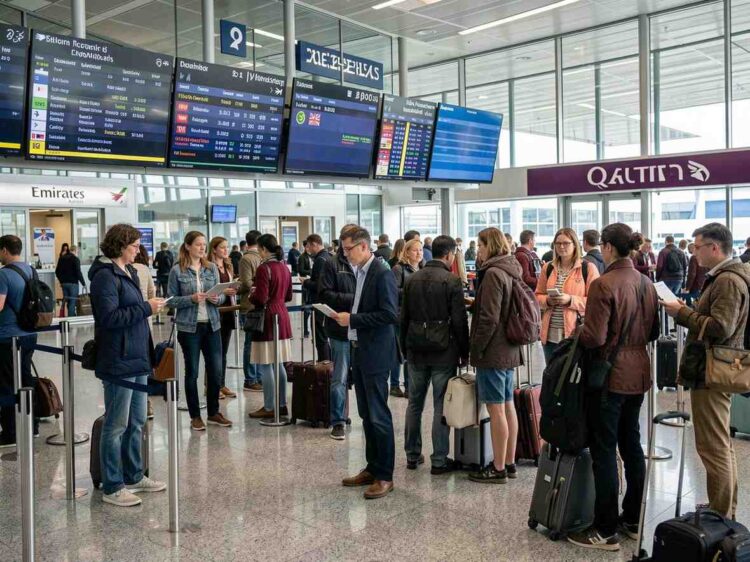
UK Joins China, Malaysia, India & Australia in Rerouting Travel as Emirates and Qatar Airways Disrup...
Comprehensive Summarization:
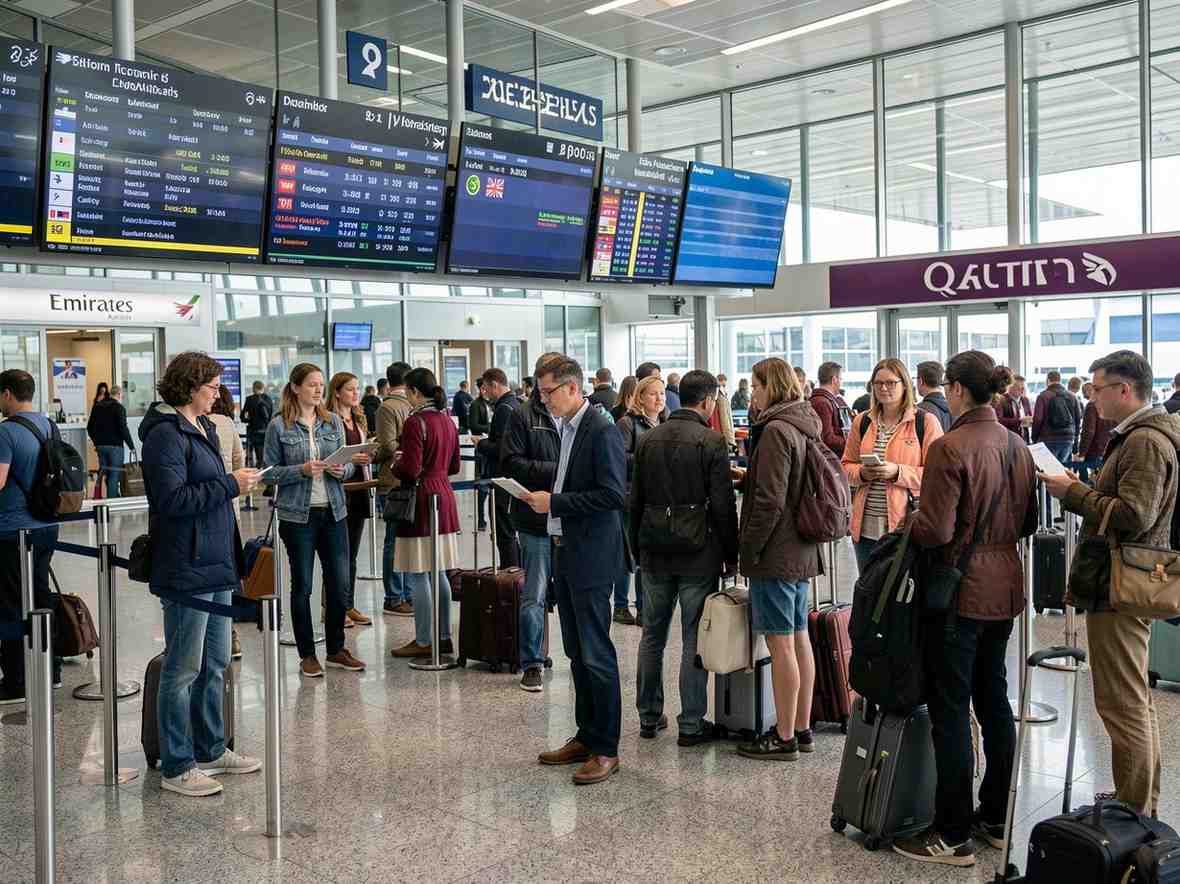
The article reports that the UK has joined China, Malaysia, India, and Australia in rerouting travel plans due to disruptions caused by Emirates and Qatar Airways, which are impacting Thailand’s tourism and hospitality industry. This situation is exacerbated by the ongoing Middle East conflict, leading to airspace closures and increased fuel prices. These factors have resulted in flight delays, cancellations, and higher airfares, significantly affecting Thailand’s tourism sector. The ripple effect of these flight rerouting measures has led to a decrease in long-haul travel, posing a challenge to Thailand’s once-thriving tourism industry.
Key Points:
Actionable Takeaways:
Diversify Travel Routes: Travel companies should explore alternative routes and destinations to mitigate the impact of airspace closures and flight disruptions. This strategy can help maintain customer engagement and ensure business continuity in the face of global travel uncertainties.
Invest in Flexible Booking Options: Offering flexible booking options, such as free cancellation and rescheduling, can help travelers feel more secure during uncertain times. This approach can enhance customer satisfaction and loyalty, particularly in a market where travel plans are frequently affected by geopolitical events and economic factors.
Leverage Technology for Real-Time Updates: Utilizing advanced travel tech solutions that provide real-time updates on flight statuses, route changes, and travel advisories can help both businesses and travelers stay informed. This technology can play a crucial role in managing expectations and reducing the anxiety associated with travel disruptions.
Contextual Understanding:
The article reflects the current challenges faced by the global travel industry, particularly in regions heavily reliant on international tourism. The Middle East conflict and its impact on travel disruptions underscore the vulnerability of the tourism sector to geopolitical tensions and economic factors. The emphasis on diversifying travel routes and leveraging technology for real-time updates aligns with current industry trends, where adaptability and technological innovation are key to navigating uncertainties. These insights are crucial for stakeholders in the travel sector, including startups, fintech companies, and hospitality providers, as they seek to adapt to evolving market conditions and maintain resilience in the face of disruptions.
Handling Different Article Types:
The article in question is a news blurb, providing factual information about travel disruptions and their impact on Thailand’s tourism industry. The summary, key points, and actionable takeaways are structured to reflect the concise and factual nature of the article. The context provided integrates recent events and market conditions, offering a forward-looking perspective on the challenges and potential strategies for the travel industry.
Read the Complete Article.
Boutique Travel VC raises investment cap from $1.5M to $10M to lead rounds and support portfolio companies through growth Travel...
Read moreDetails




