



No products in the cart.
- Latest
- Trending

From Ultra-Short Vacations to ASEAN Tourism Accounting
Comprehensive Summarization:
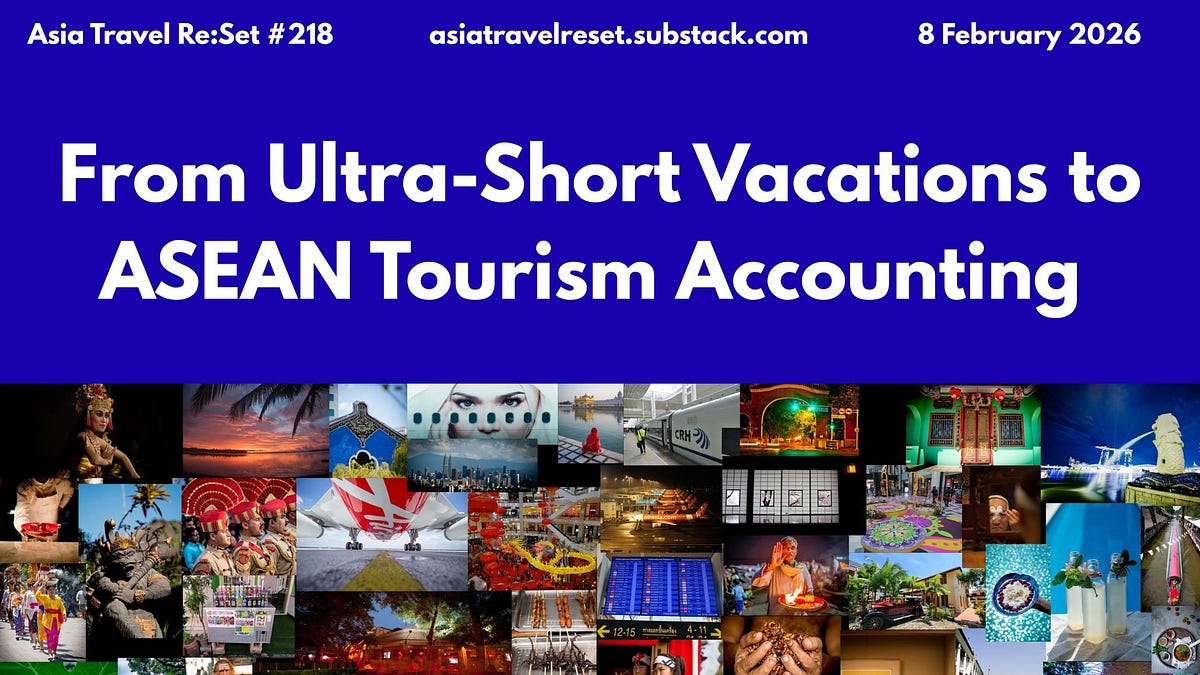
The article from Asia Travel Reset Issue 218 discusses the concept of “Ultra-Short Vacations” (USVs) in Singapore, defined as getaways or life escapes of less than 24 hours. While technically not considered tourism, Malaysia’s accounting standards include “excursionists” in visitor arrivals counts. The article explores whether USVs constitute tourism and how this methodology impacts ASEAN’s claim to have surpassed 2019 arrivals in 2025. It also delves into the factors driving the surge of 24-48 hour trips from Singapore to neighboring destinations, primarily Malaysia and Thailand. The trend is not exclusive to Singapore, and low-cost carriers (LCCs) are identified as potential drivers of this trend. The article concludes by questioning the broader implications of this trend on ASEAN’s tourism statistics.
Key Points:
Actionable Takeaways:
Takeaway 1: Understanding the classification of USVs is crucial for accurate tourism statistics. This distinction impacts how countries report visitor arrivals, which in turn affects their tourism industry performance metrics. For travel industry stakeholders, this means being aware of how different countries define and count tourism to accurately assess their market position and competitiveness.
Takeaway 2: The surge in USVs, particularly from Singapore to Malaysia and Thailand, highlights the growing appeal of short, affordable travel options. This trend suggests a shift in consumer behavior towards more flexible, time-efficient travel solutions. Travel companies and destinations can leverage this trend by developing more USV-friendly offerings, such as streamlined booking processes, affordable accommodation options, and efficient transportation links, to capture this growing market segment.
Takeaway 3: The role of low-cost carriers (LCCs) in facilitating USVs indicates a significant shift in the travel industry towards more accessible and affordable travel options. For stakeholders in the travel sector, this underscores the importance of strategic partnerships with LCCs to enhance connectivity and offer competitive pricing. Additionally, it highlights the need for travel companies to innovate in areas such as technology and customer experience to remain competitive in a market driven by cost and convenience.
Contextual Insights:
The article reflects current trends in the travel industry, particularly the growing popularity of short, flexible travel options. The distinction between tourism and USVs is a nuanced issue that highlights the evolving definitions and metrics used in measuring tourism. As ASEAN countries strive to surpass pre-pandemic visitor numbers, understanding these trends is essential for accurate reporting and strategic planning. The influence of LCCs in driving USVs underscores the importance of technological innovation and strategic partnerships in the travel sector. Moving forward, the travel industry must adapt to these changing consumer preferences by offering more flexible, affordable, and convenient travel solutions. This will not only help in meeting ASEAN’s tourism goals but also in maintaining the competitiveness of the global travel market.
Read the Complete Article.
Get curated travel AI insights — choose the newsletters that matter to you.
This spot is reserved for brands with a compelling story for the travel trade. They use this space to cut...
Read moreDetailsALTOUR Expands into Thailand, Strengthening Corporate Travel Network Across Southeast Asia BANGKOK, THAILAND (25 March, 2026) – ALTOUR, a leading...
Read moreDetails


Comprehensive Summarization: The article highlights Bali as a top destination for wellness tourism, emphasizing its natural landscapes, spiritual vibes, organic...
Read moreDetails