




















Travel Capitalist Ventures Expands Check Size to $10 Million to Deepen Emerging Market Conviction
Boutique Travel VC raises investment cap from $1.5M to $10M to lead rounds and support portfolio companies through growth Travel...
Read moreDetails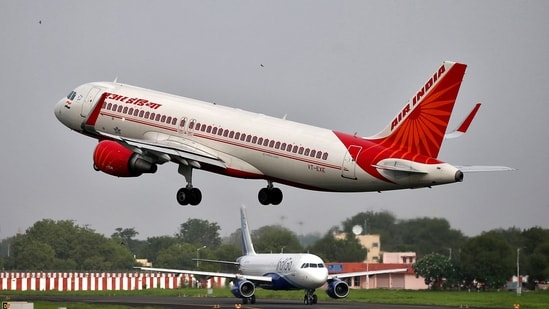


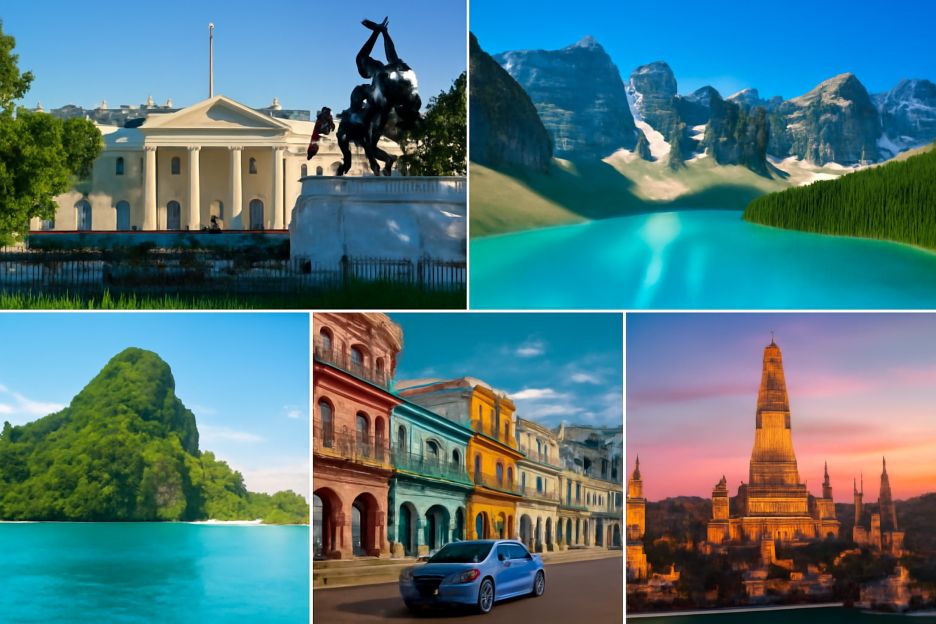
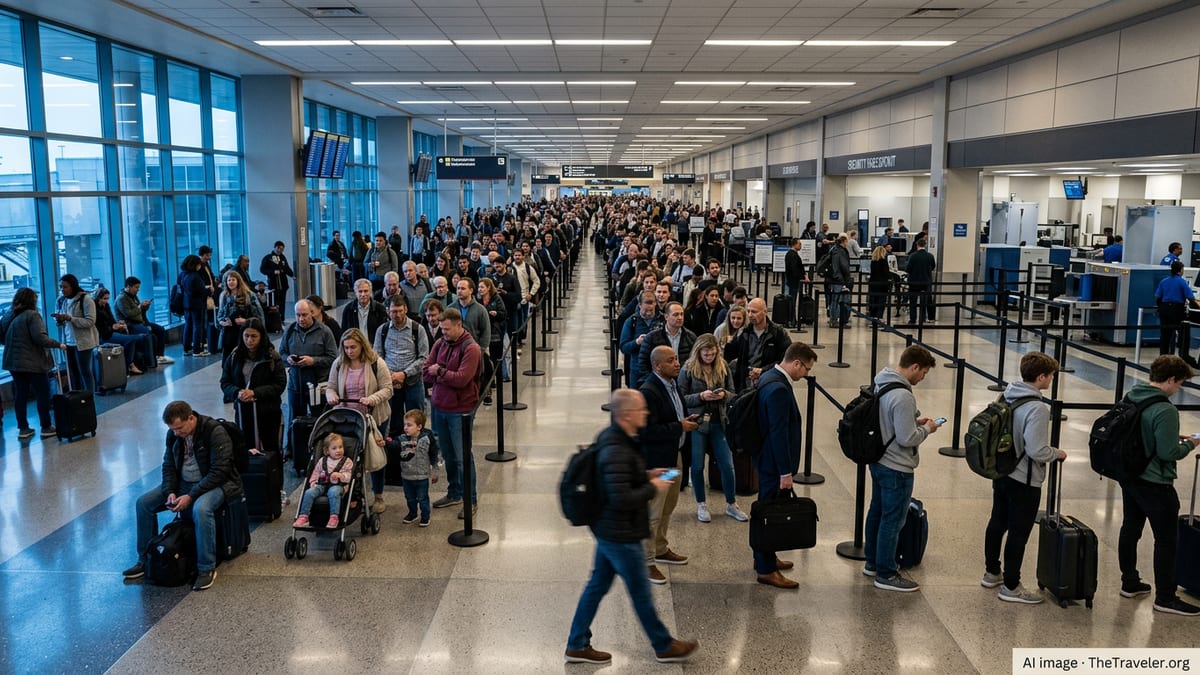
US Joins Cuba, Thailand, Canada, Philippines, and Argentina in Facing Sharp Declines in Foreign Tour...
Article Summary:
In December 2025, the travel industry faces a significant challenge as several key destinations, including the United States, Canada, Cuba, the Philippines, and Thailand, are experiencing sharp declines in foreign tourist arrivals. According to reports from the US Travel Association, Statistics Canada, and UN Tourism, this trend is influenced by a combination of economic, geopolitical, and internal factors. The article, authored by Paramita Sarkar, highlights the multifaceted nature of these declines and their implications for the global tourism sector.
Key Points:
Actionable Takeaways:
Contextual Insights:
The article reflects the current state of the travel industry, which is grappling with the aftermath of the COVID-19 pandemic and navigating through geopolitical uncertainties. The decline in tourist arrivals in key destinations like the United States, Canada, Cuba, the Philippines, and Thailand underscores the vulnerability of the global tourism sector to external shocks. As the industry moves forward, there is a growing emphasis on resilience, adaptability, and innovation. Experts predict that destinations will increasingly rely on digital platforms and innovative travel solutions to regain lost ground. The insights from thought leaders suggest that the future of travel will be shaped by a combination of traditional marketing strategies and cutting-edge technology, enabling destinations to attract and retain tourists in an increasingly competitive landscape.
Read the Complete Article.
Boutique Travel VC raises investment cap from $1.5M to $10M to lead rounds and support portfolio companies through growth Travel...
Read moreDetails




