

















Travel Capitalist Ventures Expands Check Size to $10 Million to Deepen Emerging Market Conviction
Boutique Travel VC raises investment cap from $1.5M to $10M to lead rounds and support portfolio companies through growth Travel...
Read moreDetails

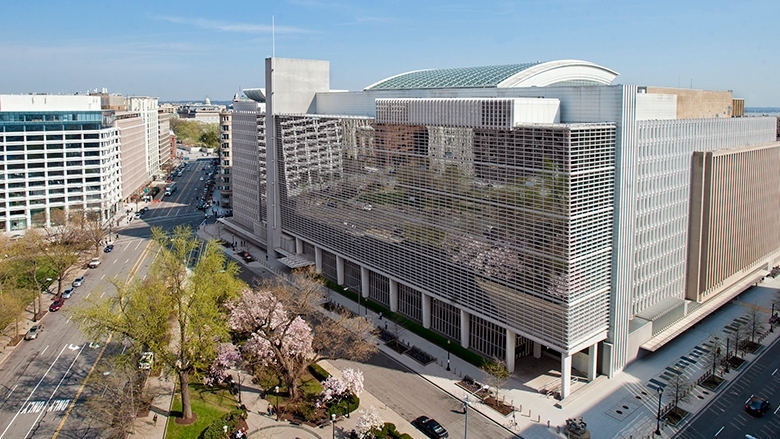
World Bank OKs Thailand Jobs, Connectivity, Biodiversity Plan
Article Summary:
The World Bank’s board has approved a $140.76 million project, the Thailand Resilient Transport and Irrawaddy Dolphin Conservation Project (TRIP), aimed at enhancing Thailand’s flood- and storm-resilient transport links. This initiative will also create jobs and economic opportunities for 350,000 people while supporting the conservation of a critically endangered Irrawaddy dolphin sub-population in Songkhla Lake. The project involves constructing two bridges and aligning with Thailand’s newly approved Irrawaddy Dolphin Conservation Plan, which seeks to protect this sub-population.
Key Points:
Actionable Takeaways:
Contextual Insights:
The approval of the TRIP project by the World Bank reflects a growing global emphasis on sustainable infrastructure development. In the context of the travel industry, this project underscores the importance of integrating conservation efforts with transportation infrastructure. As travel becomes more accessible and popular, the need for resilient transport links that also protect natural habitats becomes increasingly critical. This aligns with the latest travel trends, where sustainability and responsible tourism are becoming key differentiators for travel brands and destinations. Furthermore, the project’s focus on job creation in conservation efforts resonates with the current trend of integrating social impact into business models, particularly in sectors like travel and tourism, where stakeholders are increasingly seeking to contribute positively to local communities and ecosystems.
Read the Complete Article.
Boutique Travel VC raises investment cap from $1.5M to $10M to lead rounds and support portfolio companies through growth Travel...
Read moreDetails



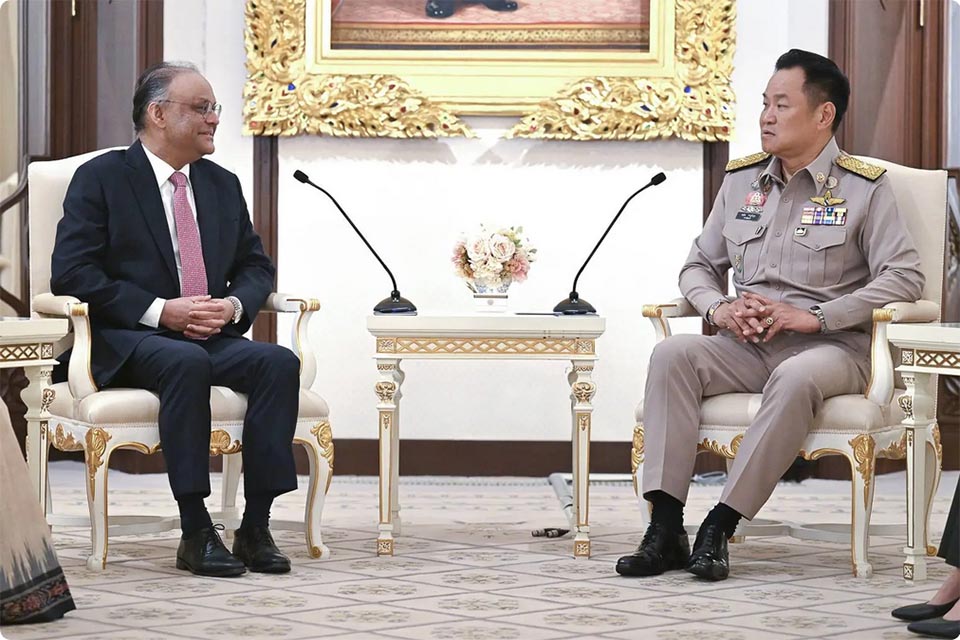
Comprehensive Summarization: The article reports on a meeting between Thailand's Prime Minister Anutin Charnvirakul and the outgoing Indian Ambassador to...
Read moreDetails
