








No products in the cart.
- Latest
- Trending

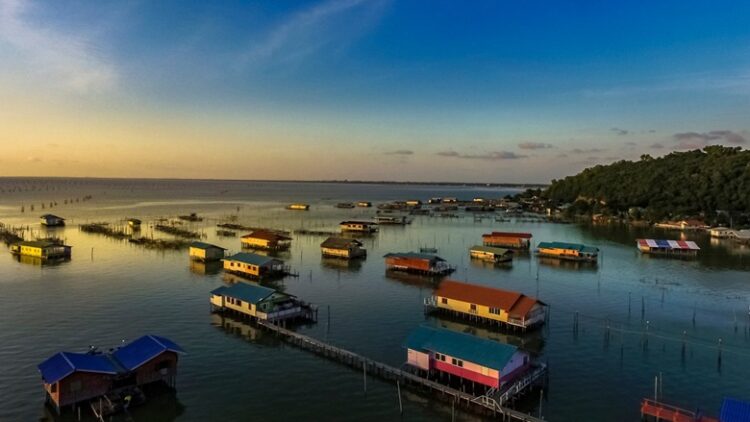
World Bank Approves Project to Create Jobs, Improve Connectivity, and Promote Thailand’s Biodiversit...
Article Summary:
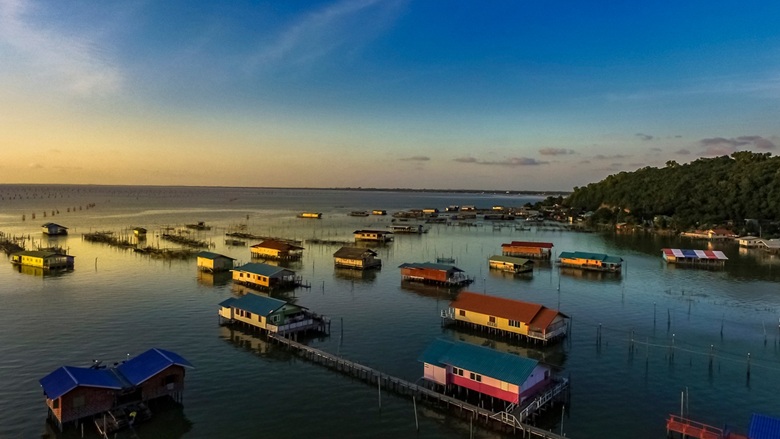
The World Bank’s Board has approved a US140.76 million project, the Thailand Resilient Transport and Irrawaddy Dolphin Conservation Project (TRIP). This initiative aims to enhance Thailand’s flood- and storm-resilient transport links, create jobs for 350,000 people, and support the conservation of a critically endangered Irrawaddy dolphin sub-population in Songkhla Lake. The project combines infrastructure development with biodiversity conservation by constructing two bridges and implementing Thailand’s newly approved Irrawaddy Dolphin Conservation Plan. This dual focus on economic development and environmental protection highlights a growing trend in the travel industry towards sustainable tourism practices.
Key Points:
Actionable Takeaways:
Sustainable Infrastructure Development: The TRIP project exemplifies the integration of economic development with environmental conservation. Travel companies and infrastructure developers should consider adopting similar models that balance economic growth with ecological preservation. This approach can enhance brand reputation and appeal to eco-conscious travelers, potentially opening new market segments.
Job Creation in Conservation Areas: By focusing on job creation for 350,000 people, the project demonstrates how infrastructure projects can contribute positively to local economies. Travel and tourism businesses operating in or near conservation areas should explore similar job creation strategies to bolster local economies and foster community support for conservation initiatives.
Innovative Use of Funding: The project’s approval underscores the World Bank’s willingness to fund innovative projects that combine infrastructure with conservation goals. Travel industry stakeholders can leverage this trend by seeking funding for projects that incorporate sustainable practices, potentially attracting investors and partners interested in socially responsible investments.
Contextual Insights:
The approval of the TRIP project reflects a broader trend in the travel industry towards sustainable and responsible tourism. As environmental concerns become increasingly prominent, stakeholders are seeking ways to integrate conservation efforts into their business models. This project serves as a case study for how infrastructure development can be aligned with biodiversity conservation, setting a precedent for future initiatives. Furthermore, the emphasis on job creation highlights the potential for travel and tourism businesses to contribute positively to local economies, thereby enhancing their social license to operate. As the industry continues to evolve, such integrated approaches will likely become more prevalent, driven by both regulatory pressures and consumer demand for responsible travel options.
Read the Complete Article.
Get curated travel AI insights — choose the newsletters that matter to you.
ALTOUR Expands into Thailand, Strengthening Corporate Travel Network Across Southeast Asia BANGKOK, THAILAND (25 March, 2026) – ALTOUR, a leading...
Read moreDetails


Comprehensive Summarization: The article titled "The Perfect Storm: How Middle East Conflict and Fuel Prices Are Reshaping Southeast Asia Tourism"...
Read moreDetails