







No products in the cart.
- Latest
- Trending


Cyprus Joins Tunisia, Egypt, Jordan, Lebanon, Turkey, South Africa, Ethiopia, and More Nations Facin...
Comprehensive Summarization:
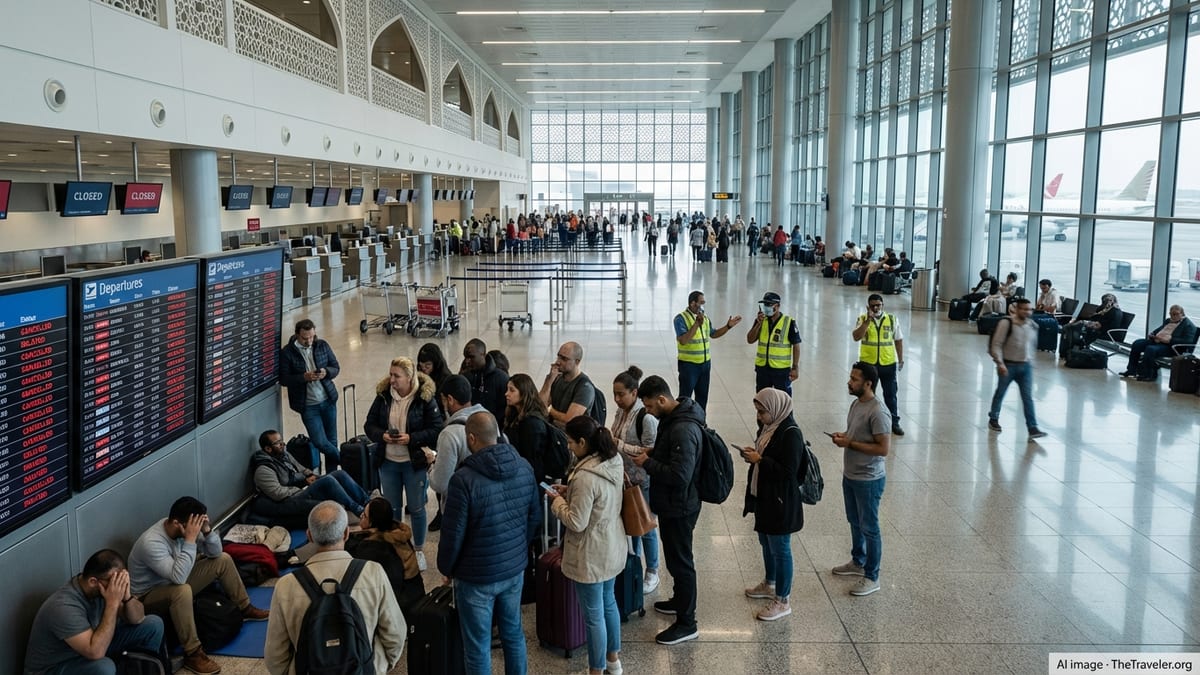
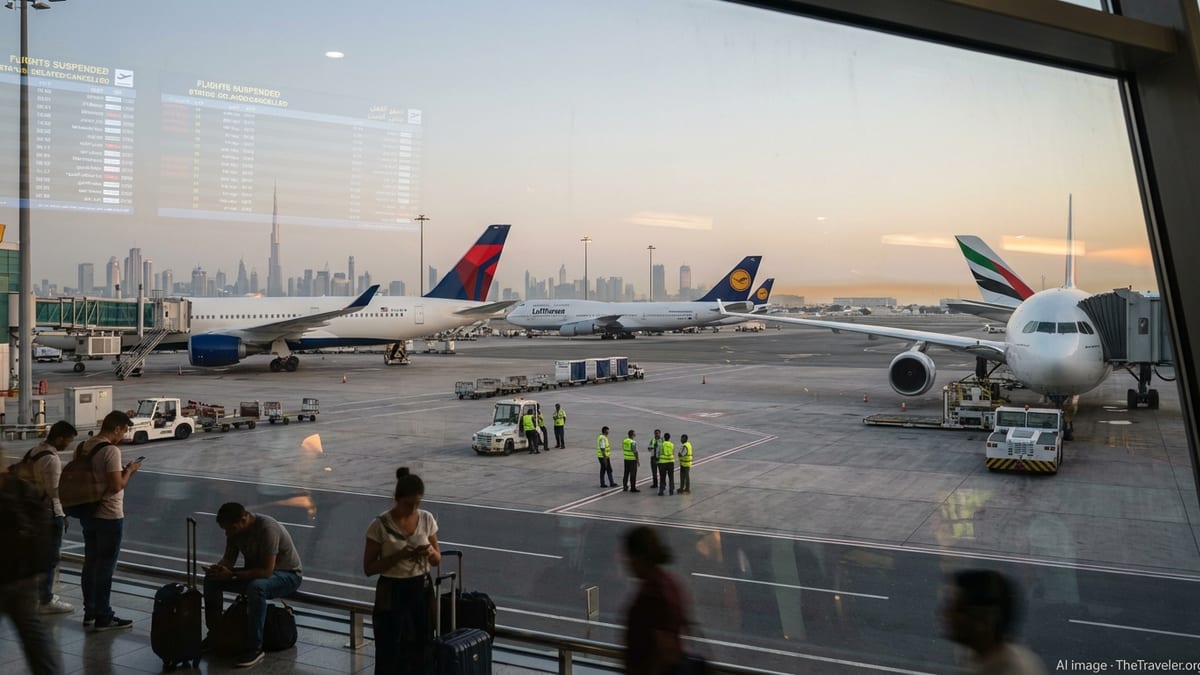
The article highlights that Cyprus has joined a list of nations including Tunisia, Egypt, Jordan, Lebanon, Turkey, South Africa, Ethiopia, and others, all facing significant aviation challenges. These challenges include aviation collapses and massive flight cancellations, which are contributing to a projected decline in tourism across Africa and the Mediterranean this year. The downturn is attributed to several factors, such as rising oil prices, disrupted airspaces, and heightened safety concerns stemming from the Middle East crisis. Airlines are responding by cutting routes and increasing operational costs, which are likely to exacerbate the tourism decline. The article underscores the urgent need for stakeholders in the travel industry to reassess their strategies in light of these developments.
Key Points:
Actionable Takeaways:
Strategic Route Optimization: Airlines should reassess and optimize their route networks to avoid regions with high cancellation rates. This could involve focusing on more stable and less volatile regions to mitigate the impact on their operations and customer satisfaction.
Investment in Safety and Security: Given the heightened safety concerns linked to the Middle East crisis, travel companies should invest in advanced safety measures and security protocols. This includes upgrading security technology and training staff to handle potential crises effectively, thereby enhancing customer trust and safety.
Diversification of Tourism Offerings: Travel agencies and destinations should diversify their tourism offerings to include alternative destinations and experiences that are less affected by the current aviation challenges. This could involve promoting off-peak travel, niche tourism, or unique cultural experiences that appeal to travelers seeking safety and reliability.
Contextual Insights:
The article reflects the current state of the travel industry, where geopolitical tensions and economic factors are significantly impacting tourism. The rise in oil prices and disruptions in airspaces are classic examples of external shocks that travel companies must be prepared to manage. The emphasis on safety concerns, particularly in the Middle East, highlights the importance of geopolitical risk assessment in travel planning. Looking forward, the article suggests that the travel industry will need to innovate continuously, leveraging technology and strategic partnerships to navigate these challenges. The focus on diversifying tourism offerings aligns with emerging trends in sustainable and experiential travel, which are increasingly favored by modern travelers seeking unique and safe experiences.
Handling Different Article Types:
The article is a news blurb, providing factual information about the current situation in the travel industry. The summary captures the main theme and key developments, while the key points and actionable takeaways are directly sourced from the article’s content. This structured approach ensures that the output is concise, informative, and directly relevant to a professional audience in the travel industry.
Read the Complete Article.
Get curated travel AI insights — choose the newsletters that matter to you.
ALTOUR Expands into Thailand, Strengthening Corporate Travel Network Across Southeast Asia BANGKOK, THAILAND (25 March, 2026) – ALTOUR, a leading...
Read moreDetails


Comprehensive Summarization: The article highlights that Cyprus has joined a list of nations including Tunisia, Egypt, Jordan, Lebanon, Turkey, South...
Read moreDetails