



No products in the cart.
- Latest
- Trending

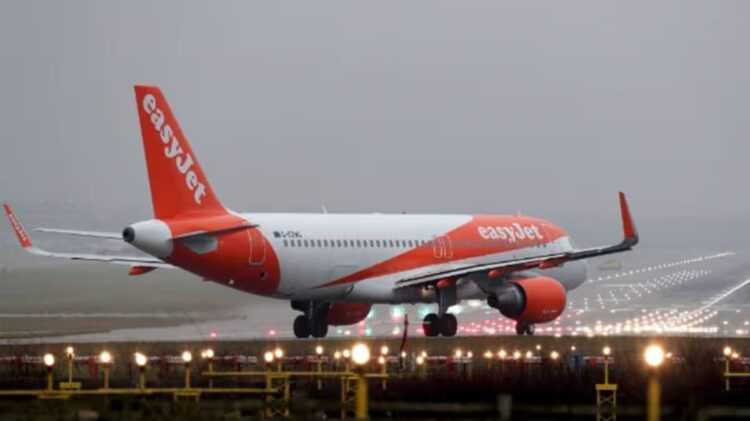
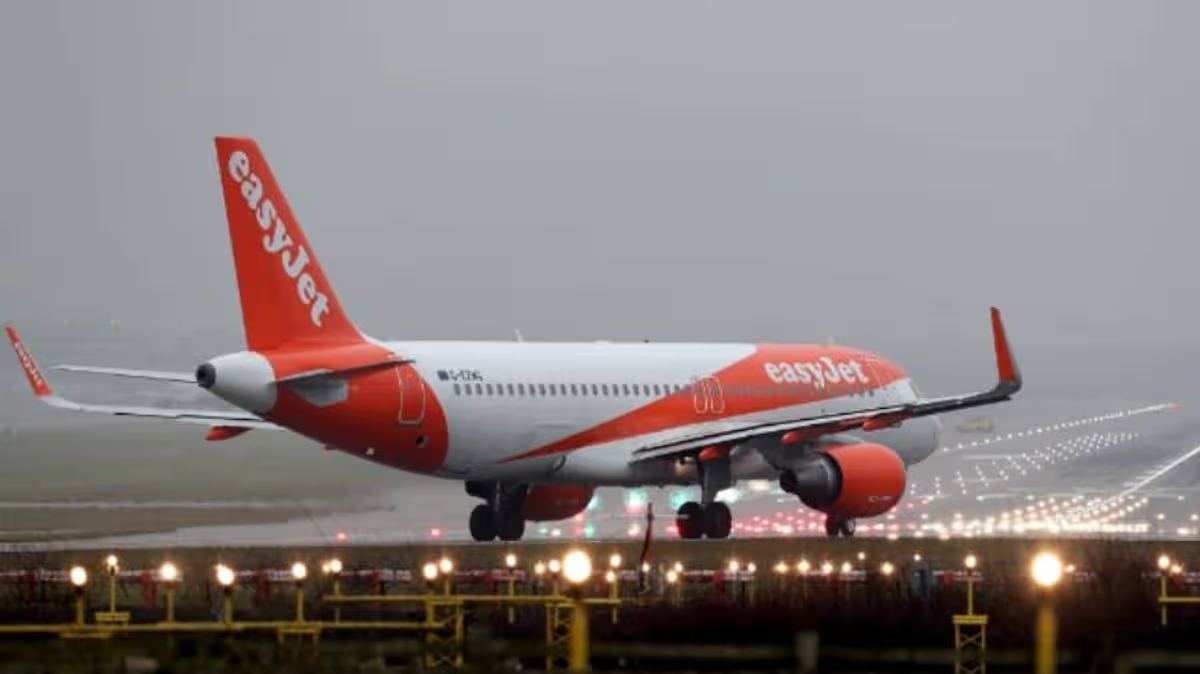
Easyjet issues warning for UK tourists with Turkey, Cyprus, Egypt holidays
Comprehensive Summarization:
EasyJet’s CEO, Kenton Jarvis, has expressed concern over the decline in advance bookings for summer holidays to Turkey, Cyprus, and Egypt due to the ongoing Middle East crisis. The drop in reservations, particularly in these regions, has impacted travel demand significantly. Jarvis compared the current situation to the Ukraine crisis, indicating a potential long-term effect on travel to these destinations. The article highlights the challenges faced by the travel industry in the face of geopolitical tensions and the need for adaptability in travel planning and marketing strategies.
Key Points:
Actionable Takeaways:
Diversify Destination Offerings: Travel companies should consider diversifying their destination offerings to mitigate risks associated with geopolitical tensions. By expanding into regions with stable political environments and growing tourism appeal, companies can reduce dependency on high-risk destinations and maintain steady revenue streams.
Enhance Marketing Strategies: Given the impact of geopolitical crises on travel demand, companies should enhance their marketing strategies to highlight safety measures, travel advisories, and the unique experiences available in alternative destinations. Transparent communication about safety protocols and the benefits of traveling to less affected regions can help maintain consumer confidence and drive bookings.
Invest in Digital Tools for Real-Time Monitoring: Leveraging digital tools for real-time monitoring of geopolitical developments and travel demand can provide companies with the agility needed to respond swiftly to changes. Implementing advanced analytics and AI-driven insights can help predict shifts in travel patterns, enabling proactive adjustments to marketing and operational strategies.
Contextual Insights:
The article reflects the current challenges faced by the travel industry in the wake of geopolitical tensions, particularly the Middle East crisis. The decline in bookings for Turkey, Cyprus, and Egypt underscores the vulnerability of the travel sector to external shocks. This situation highlights the importance of adaptability and strategic foresight in travel planning and marketing. As geopolitical risks continue to influence travel demand, companies must invest in innovative solutions to mitigate risks and maintain resilience. The emphasis on diversifying destination offerings, enhancing marketing strategies, and leveraging digital tools for real-time monitoring aligns with current industry trends, emphasizing the need for a proactive approach to navigating uncertainties in the travel market.
Read the Complete Article.
Get curated travel AI insights — choose the newsletters that matter to you.
This spot is reserved for brands with a compelling story for the travel trade. They use this space to cut...
Read moreDetailsALTOUR Expands into Thailand, Strengthening Corporate Travel Network Across Southeast Asia BANGKOK, THAILAND (25 March, 2026) – ALTOUR, a leading...
Read moreDetails


Comprehensive Summarization: EasyJet's CEO, Kenton Jarvis, has expressed concern over the decline in advance bookings for summer holidays to Turkey,...
Read moreDetails