






No products in the cart.
- Latest
- Trending

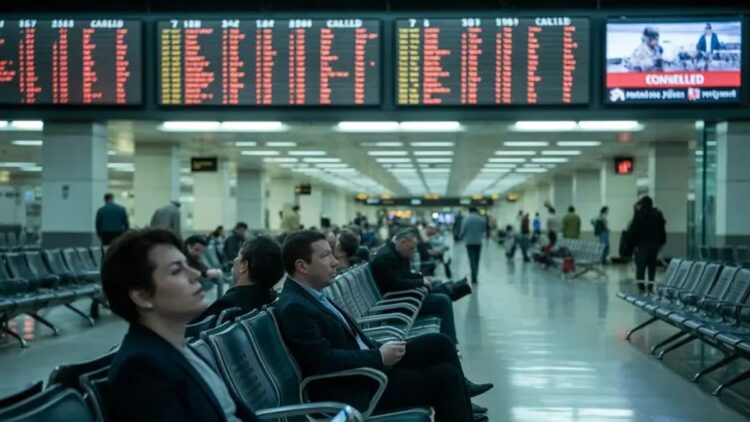
Iran War Triggers Global Tourism Shock From US to Mediterranean
Comprehensive Summarization:
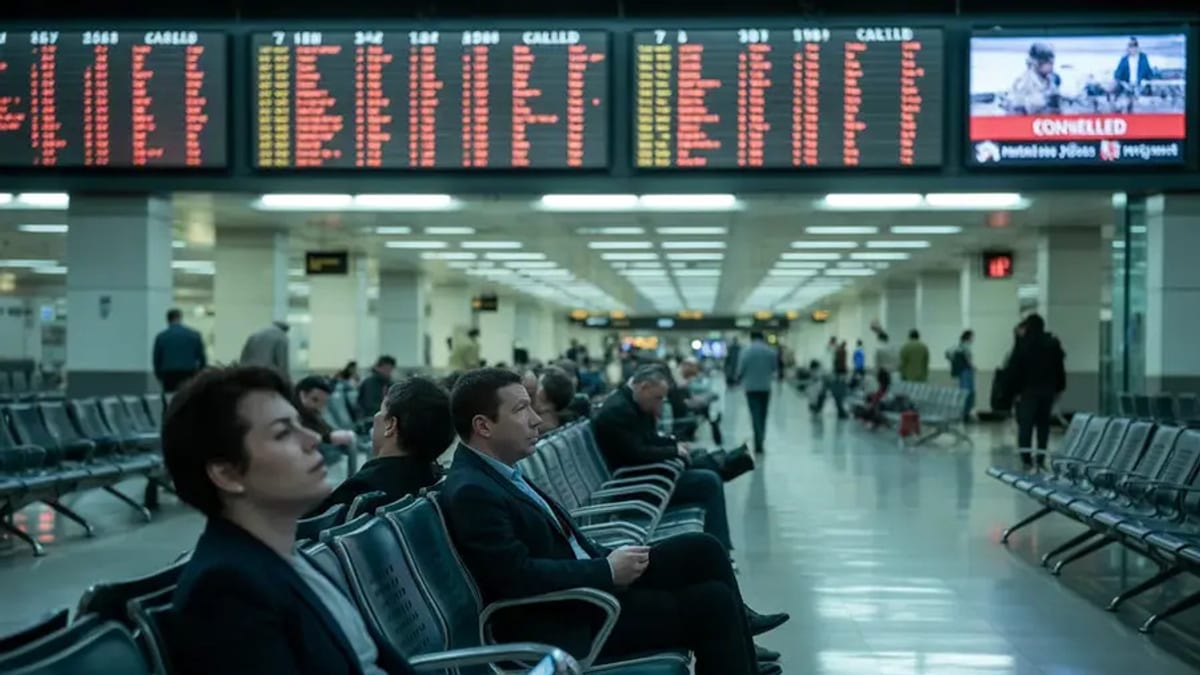
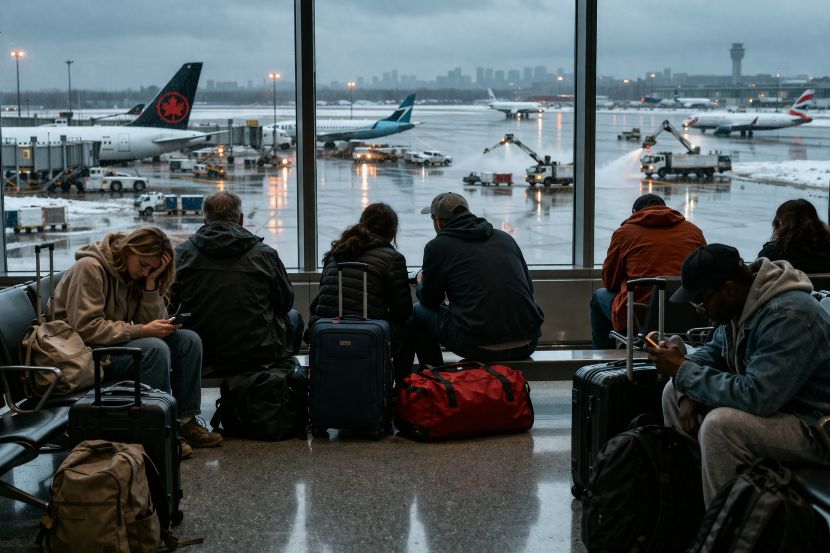
The article discusses the escalating military confrontation with Iran and its direct impact on the global travel economy. The conflict has led to unprecedented flight cancellations, collapsing bookings, and mounting economic losses among destinations such as the United States, Turkey, Israel, Greece, and Cyprus. This situation has rapidly transformed the Iran war from a regional security crisis into a significant disruption to civilian aviation, comparable to the early stages of the pandemic. The article highlights the rapid escalation of airspace closures and their severe impact on global aviation, emphasizing the vulnerability of the travel sector to geopolitical tensions.
Key Points:
Actionable Takeaways:
Diversify Travel Itineraries: Travel companies should diversify their itineraries to mitigate risks associated with geopolitical tensions. By offering alternative routes and destinations, companies can reduce the impact of flight cancellations and maintain customer confidence.
Invest in Resilient Aviation Infrastructure: Airlines and airports should invest in resilient infrastructure and contingency plans to handle sudden airspace closures. This includes developing backup routes, enhancing communication systems, and ensuring operational flexibility to adapt quickly to changing conditions.
Leverage Technology for Real-Time Updates: Travel technology companies should focus on developing real-time tracking and communication tools for travelers. These tools can provide immediate updates on flight status changes, route alternatives, and safety protocols, helping travelers make informed decisions and reducing anxiety during uncertain times.
Contextual Understanding:
The article reflects the current state of the travel industry under the shadow of geopolitical tensions. The rapid escalation of the Iran conflict has mirrored the disruptions seen during the early stages of the COVID-19 pandemic, highlighting the sector’s sensitivity to external shocks. The emphasis on airspace closures underscores the critical role of aviation in global travel and the need for robust contingency planning. The insights provided align with recent trends in travel tech, where real-time communication and flexible travel solutions have become increasingly important. Thought leaders emphasize the importance of adaptability and innovation in navigating such disruptions, suggesting that the industry must continuously evolve to mitigate risks associated with geopolitical events.
Handling Different Article Types:
The article is a news brief, providing factual information about the impact of the Iran conflict on the travel industry. The structured output format ensures that the summary, key points, and actionable takeaways are clearly presented, making it easy for a professional audience to digest and act upon the information. The context provided integrates the latest travel trends and insights, offering a forward-looking perspective on how the industry can adapt to similar challenges in the future.
Read the Complete Article.
Get curated travel AI insights — choose the newsletters that matter to you.
ALTOUR Expands into Thailand, Strengthening Corporate Travel Network Across Southeast Asia BANGKOK, THAILAND (25 March, 2026) – ALTOUR, a leading...
Read moreDetails


Comprehensive Summarization: The article discusses the escalating military confrontation with Iran and its direct impact on the global travel economy....
Read moreDetails