
No products in the cart.
- Latest
- Trending


Comprehensive Summarization:
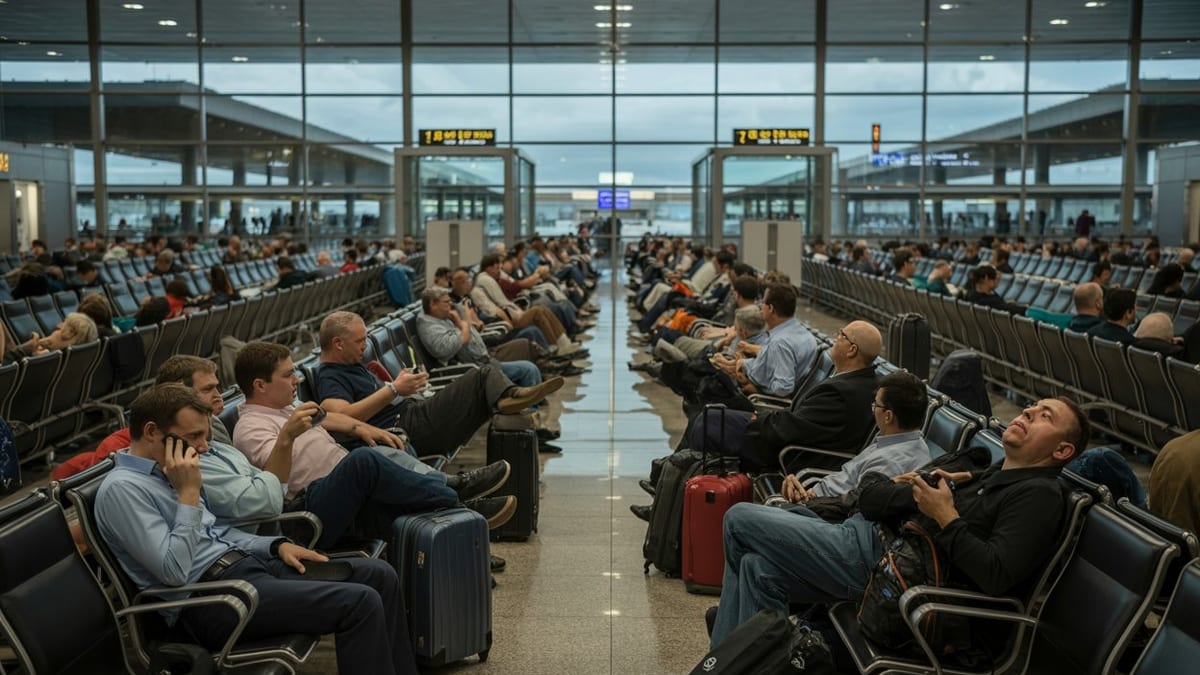
The article highlights Malaysia as one of the top alternatives for Middle East travel in 2026, following the disruption caused by geopolitical tensions and airspace issues. Destinations such as Thailand, the Maldives, Sri Lanka, Turkey, Georgia, and Morocco are also gaining traction among travelers seeking luxury, culture, and adventure. Malaysia’s appeal is underscored by its halal-friendly infrastructure, vibrant culture, and breathtaking landscapes, positioning it as a compelling destination in the wake of the challenges faced by traditional Middle Eastern hubs like Dubai and Doha.
Key Points:
Actionable Takeaways:
Diversify Travel Itineraries: Travel agencies and tour operators should consider diversifying their itineraries to include destinations like Malaysia, Thailand, the Maldives, Sri Lanka, Turkey, Georgia, and Morocco. This can help mitigate risks associated with geopolitical tensions in the Middle East and cater to travelers seeking alternative destinations.
Highlight Halal-Friendly Infrastructure: For destinations like Malaysia, emphasizing halal-friendly infrastructure can be a significant selling point. Travel service providers should highlight such features in their marketing strategies to attract Muslim travelers, thereby tapping into a growing market segment.
Promote Cultural and Adventure Experiences: Travel marketers should focus on promoting the unique cultural and adventure experiences offered by these destinations. This includes showcasing the rich cultural heritage, natural beauty, and adventure activities available, which can attract a diverse range of travelers looking for more than just traditional tourist experiences.
Contextual Understanding:
The article reflects the current state of the travel industry, where geopolitical tensions and airspace disruptions are prompting travelers to seek alternative destinations. The emphasis on halal-friendly infrastructure in Malaysia is particularly relevant, given the growing number of Muslim travelers seeking destinations that cater to their religious needs. The article also touches on broader travel trends, such as the appeal of luxury, culture, and adventure, which are driving travelers to explore beyond traditional Middle Eastern hubs. Expert opinions and recent developments in travel tech and tourism management further underscore the importance of diversification and innovation in the industry to meet evolving traveler preferences.
Handling Different Article Types:
The article is a news blurb, providing factual information about Malaysia’s emergence as a top alternative for Middle East travel. The content is concise and directly sourced from the article, ensuring accuracy and relevance. For similar types of articles, the same structured approach can be applied, focusing on summarizing the main theme, extracting key points, and providing actionable insights based on the provided facts and context.
Read the Complete Article.
Get curated travel AI insights — choose the newsletters that matter to you.
ALTOUR Expands into Thailand, Strengthening Corporate Travel Network Across Southeast Asia BANGKOK, THAILAND (25 March, 2026) – ALTOUR, a leading...
Read moreDetails

Comprehensive Summarization: The article highlights Malaysia as one of the top alternatives for Middle East travel in 2026, following the...
Read moreDetails