




No products in the cart.
- Latest
- Trending

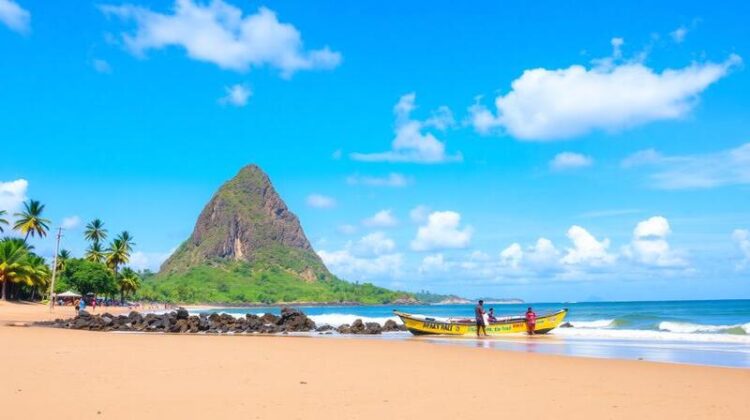
New Zealand Joins France, Czech Republic, Israel, Turkey, Kuwait, Spain and More as Sri Lanka Opens ...
Comprehensive Summarization:
Sri Lanka has recently implemented a policy to waive visas for 40 countries, including notable destinations like New Zealand, France, and Spain. This move is part of a strategic initiative aimed at revitalizing the country’s tourism sector, which has experienced a significant downturn in early 2026. According to official statistics, visitor numbers dropped by 22% between March 1 and 25, 2026, compared to the same period in 2025. The decline is attributed to regional conflicts in the Middle East, which have led to disruptions in air travel, causing flight cancellations and increased ticket prices. The government’s decision to offer free visa access is a proactive measure to attract tourists and stimulate economic recovery in the tourism industry, which has been severely impacted by global uncertainties.
Key Points:
Actionable Takeaways:
Enhanced Visa Policies as a Tourism Catalyst: The waiver of visas for 40 countries is a strategic move to attract international tourists. This policy could lead to a significant increase in tourist arrivals, thereby boosting the tourism sector and contributing positively to Sri Lanka’s economy. Travel agencies and hospitality businesses should prepare for a surge in demand by enhancing their marketing strategies and ensuring they are equipped to handle the increased tourist flow.
Focus on Middle East Travel Safety: Given the impact of regional conflicts on air travel and tourism, there is an opportunity for travel companies to focus on safety and security measures. This could involve partnerships with airlines to ensure reliable flight schedules, offering travel insurance packages that cover geopolitical risks, and promoting alternative travel routes or destinations within Asia that are less affected by conflicts. Such initiatives can help mitigate the impact of external conflicts on tourism.
Leveraging Digital Marketing for Tourism Recovery: With the decline in visitor numbers, there is a pressing need for digital marketing strategies to reach potential tourists. Travel companies should invest in targeted online advertising campaigns, leveraging social media platforms and travel blogs to showcase the beauty and safety of Sri Lanka. Content marketing, including virtual tours and travel guides, can also play a crucial role in attracting tourists by providing them with engaging and informative content.
Contextual Insights:
The decision by Sri Lanka to waive visas for 40 countries is a timely response to the challenges faced by the tourism industry in the wake of global uncertainties. This move aligns with broader industry trends that emphasize the importance of accessibility and safety in attracting tourists. The context of regional conflicts in the Middle East highlights the vulnerability of the travel sector to geopolitical events. As such, the initiative not only addresses immediate concerns related to tourism recovery but also reflects a forward-thinking approach to mitigating risks associated with travel.
In the context of current industry trends, the emphasis on visa waivers and safety measures underscores the growing importance of digital platforms in the travel industry. The rise of online travel agencies and the increasing reliance on digital tools for booking and planning trips have made accessibility a key factor in consumer decision-making. Therefore, the visa waiver policy can be seen as a strategic adaptation to these trends, positioning Sri Lanka as a more attractive destination for international travelers.
Moreover, the article’s focus on the tourism sector’s economic implications highlights the interconnectedness of travel and economic recovery. As the tourism industry plays a crucial role in driving economic growth, initiatives aimed at boosting tourist arrivals can have far-reaching effects on various sectors, including hospitality, transportation, and local businesses. This interconnectedness emphasizes the need for holistic strategies that consider both the immediate recovery of the tourism sector and its long-term economic impact.
In conclusion, Sri Lanka’s decision to waive visas for 40 countries represents a significant step towards revitalizing its tourism industry amidst economic challenges. By understanding the context, extracting key points, and deriving actionable insights, stakeholders in the travel industry can better navigate the current landscape and capitalize on emerging opportunities.
Read the Complete Article.
Get curated travel AI insights — choose the newsletters that matter to you.
ALTOUR Expands into Thailand, Strengthening Corporate Travel Network Across Southeast Asia BANGKOK, THAILAND (25 March, 2026) – ALTOUR, a leading...
Read moreDetails


Comprehensive Summarization: Sri Lanka has recently implemented a policy to waive visas for 40 countries, including notable destinations like New...
Read moreDetails