


No products in the cart.
- Latest
- Trending

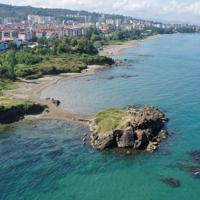
Historic island to be restored for tourism
Comprehensive Summarization:
The article reports on the restoration of Ayanikola Island in Ordu’s Ünye district, Turkey, which houses the remnants of a historic church dating back to the 1700s. The restoration project, approved by the Samsun Regional Board for the Protection of Cultural Heritage, aims to reopen the island to tourism following extensive conservation work. The Ordu Metropolitan Municipality’s Department of Urban Planning, supported by the Ordu Governorship Investment Monitoring, is leading the project. This initiative highlights a commitment to preserving cultural heritage and opening it to the public for tourism, aligning with broader travel industry trends focusing on heritage tourism and sustainable travel.
Key Points:
Actionable Takeaways:
Heritage Tourism Promotion: The restoration of Ayanikola Island exemplifies the growing trend of heritage tourism, where historical sites are preserved and opened to the public to attract visitors. This approach not only preserves cultural heritage but also stimulates local economies through tourism revenue. Travel companies and destinations should consider similar restoration projects to enhance their tourism offerings and appeal to culturally inclined travelers.
Importance of Cultural Heritage Preservation: The approval of the restoration project by the Samsun Regional Board underscores the importance of cultural heritage preservation in the travel industry. Governments and local authorities play a crucial role in safeguarding historical sites, which can serve as key attractions for tourists. Travel stakeholders should advocate for and support policies that prioritize the preservation of cultural heritage sites, recognizing their potential to drive sustainable tourism growth.
Contextual Insights:
The restoration of Ayanikola Island reflects current industry trends towards sustainable and culturally rich tourism experiences. As travelers increasingly seek authentic and meaningful travel experiences, destinations that offer unique historical and cultural sites are likely to see increased interest. This aligns with the rise of eco-tourism and cultural heritage tourism, where preservation and education are central themes. Furthermore, the involvement of municipal and regional authorities in leading restoration projects highlights a collaborative approach to tourism development, emphasizing the importance of public-private partnerships in achieving sustainable tourism goals. As the travel industry continues to evolve, such initiatives will likely become more prevalent, driven by both regulatory support and growing consumer demand for responsible travel options.
Read the Complete Article.
Get curated travel AI insights — choose the newsletters that matter to you.
ALTOUR Expands into Thailand, Strengthening Corporate Travel Network Across Southeast Asia BANGKOK, THAILAND (25 March, 2026) – ALTOUR, a leading...
Read moreDetails


Comprehensive Summarization: The article reports on the restoration of Ayanikola Island in Ordu’s Ünye district, Turkey, which houses the remnants...
Read moreDetails